
LIGURIA
Pope Leo visits Mediterranean migration frontier on July Fourth
Pontiff's Lampedusa pilgrimage reframes migration debate amid rising anti-immigrant rhetoric
Marina Doria305 wordsEdition №36Sunday, 5 July 2026 — Edition № 36
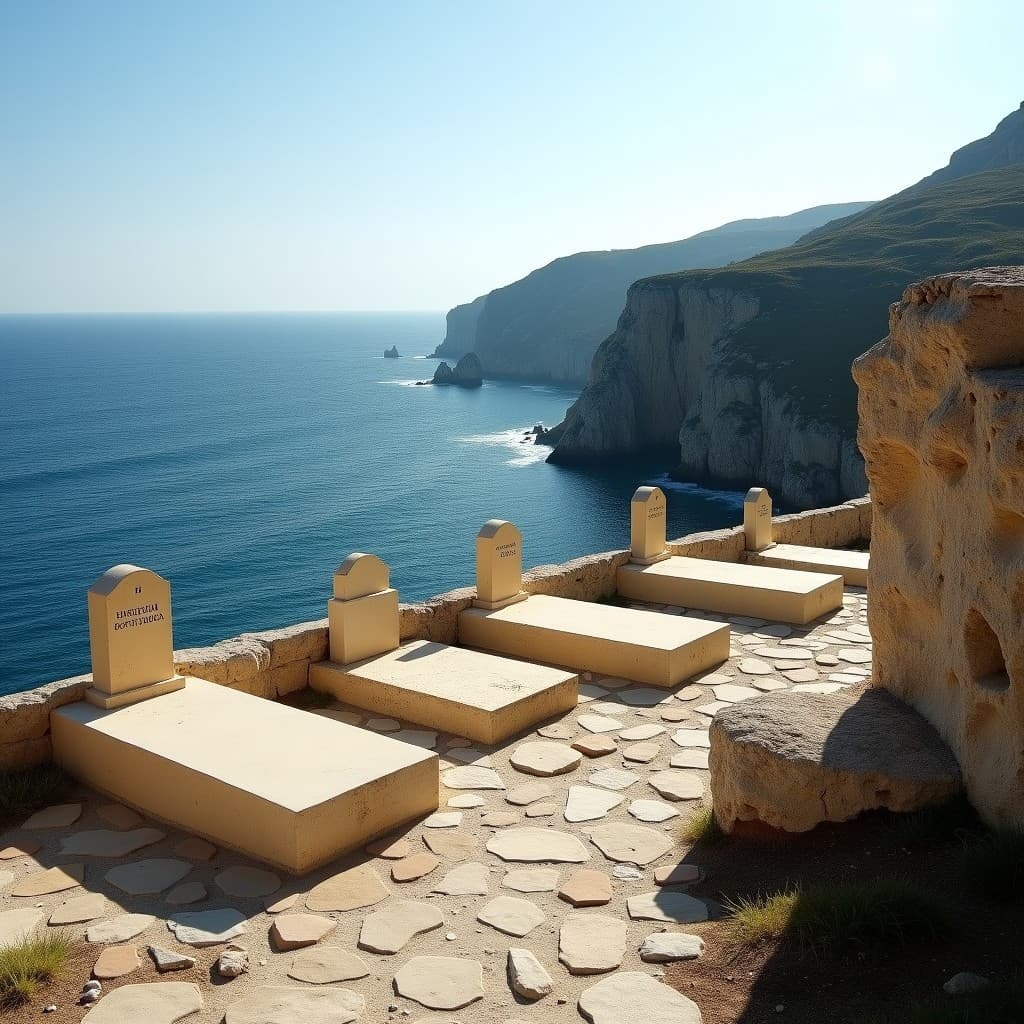
Pope Leo, the first American pontiff, arrived on Lampedusa on Saturday to visit a migrant cemetery and honour those who have died attempting to cross from North Africa to Europe, according to multiple foreign outlets including the Guardian, BBC, France 24 and Le Monde. The timing—coinciding with America's 250th birthday—underscored his implicit rebuke of the Trump administration's immigration crackdown. The pontiff, speaking from the island, urged the United States and Europe to live up to ideals of human dignity and historical traditions of welcoming migrants.
The visit marked Pope Leo's first major address to his home country since assuming the papacy. CBS News reported that the U.S. ambassador to the Holy See presented the pope with a commemorative baseball, apple pie and U.S. World Cup jersey—a gesture that underscored the diplomatic tension between the Vatican and Washington over migration policy.
Lampedusa, lying 200 kilometres south of Sicily, has become the Mediterranean's most visible symbol of migration risk. Tens of thousands of migrants attempt the crossing each year; the island's cemetery contains remains of those who did not survive. The Washington Post noted that Pope Leo stressed human dignity and told America that in 'every generation' immigrants 'helped to shape the nation's character.'
For the Mediterranean and Liguria's maritime perspective, the visit carries operational weight. Genoa and other northern Italian ports have become secondary processing points for migrants who reach the coast, with port authorities managing both humanitarian and logistical demands. The pope's moral framing of migration—as a human rights and dignity issue rather than a border-management problem—may influence how European governments approach maritime rescue operations and port responsibilities in coming years. France 24 and Le Monde both characterised the visit as 'symbolic' in its challenge to rising anti-immigrant sentiment in Europe and America.