
CALABRIA
Pope Leo marks July 4 on migration island, challenges West on compassion
First American pontiff visits Lampedusa cemetery, appeals to US and Europe to welcome migrants with dignity
Saverio Gallo520 wordsEdition №38Tuesday, 7 July 2026 — Edition № 38
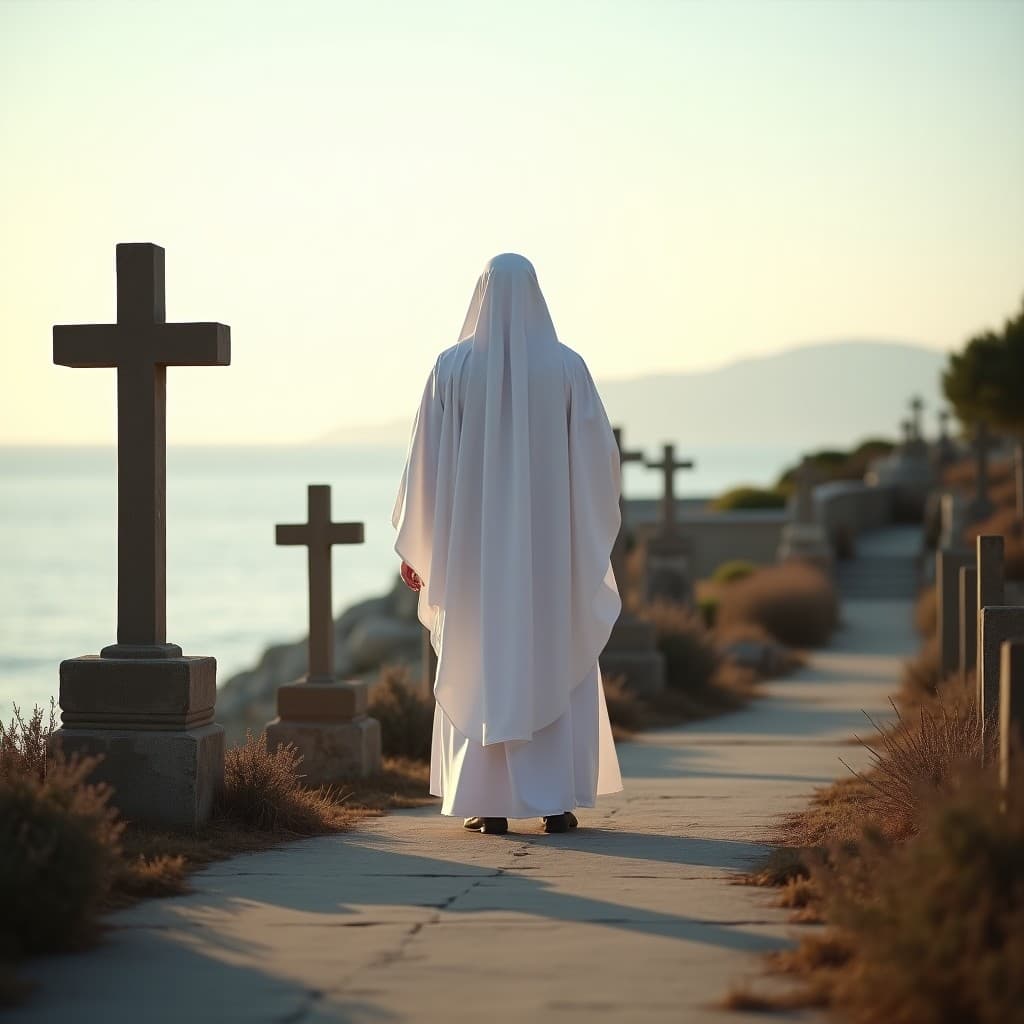
Pope Leo XIV marked the United States' 250th birthday on Saturday not in America but on Lampedusa, the Sicilian island that has become the gateway for tens of thousands of migrants crossing the Mediterranean. According to Reuters and the BBC, the pontiff began his visit at a cemetery where migrants are buried, then proceeded to the 'Door to Europe' monument, a memorial to those who lost their lives at sea. In remarks broadcast to his home country, the Pope urged Americans to live up to the ideals of the Declaration of Independence by receiving immigrants with 'compassion and generosity,' as CNN reported.
The visit was a pointed rebuke to the Trump administration's hardline stance on immigration. According to the BBC, the Pope told European leaders they faced a 'momentous challenge' in handling migration, saying that 'those who have lost their lives in this sea are victims both of decisions that were made and of decisions that were not made.' NBC News reported that the pontiff framed receiving immigrants as 'a recognition of the dignity that belongs to every human person.' The timing—a first American pope speaking from Europe's migration frontier on America's independence anniversary—underscored the Vatican's view that immigration policy is fundamentally a moral question, not merely a security one.
France 24 noted the symbolism was deliberate: Lampedusa has processed more than 100,000 migrant arrivals in recent years and stands as the physical embodiment of Europe's migration crisis. The Pope's presence there, combined with his direct address to the United States, signals a deepening Vatican engagement with migration as a defining moral test for Western democracies. CBS News reported that after the Mass, the U.S. ambassador to the Holy See presented the Pope with a commemorative baseball, apple pie, and a World Cup jersey—a gesture that underscored the diplomatic weight of the moment even as the substantive disagreement between the Vatican and Washington on immigration remained stark.
For Calabria, the Pope's choice of venue carries particular weight. Lampedusa lies off the coast of Sicily, but the migration flows the Pope witnessed flow directly through Calabrian waters and ports. The 'Ndrangheta has long exploited migrant trafficking through Gioia Tauro and other southern ports; the Pope's moral framing of migration as a dignity issue rather than a security threat or criminal matter reframes how the international press—and potentially European policy—might view the region's role in the migration pipeline. The Pope's visit was not primarily about Calabria, but it illuminated a central tension in how the South is reported: as a site of crime and crisis, or as a frontier where human dignity intersects with state power.
The visit also signals a potential fault line within the Church itself. According to the Guardian, Pope Leo has 'sparred with the Trump administration over its immigration crackdown.' The Pope's explicit appeal to American values of welcome, made from the Mediterranean's deadliest crossing point, positions the Vatican as a counterweight to nationalist rhetoric in both the United States and Europe. For southern Italy, which bears the material weight of migration—landings, reception, integration, and the security challenges posed by trafficking networks—the Pope's moral authority may offer a counternarrative to the crime-focused coverage that typically dominates foreign reporting on the region.