
SARDEGNA
Pope visits Mediterranean frontier as migration crisis deepens
On July Fourth, pontiff defends migrants at Lampedusa gateway while island communities face strain
Gavino Sanna520 wordsEdition №36Sunday, 5 July 2026 — Edition № 36
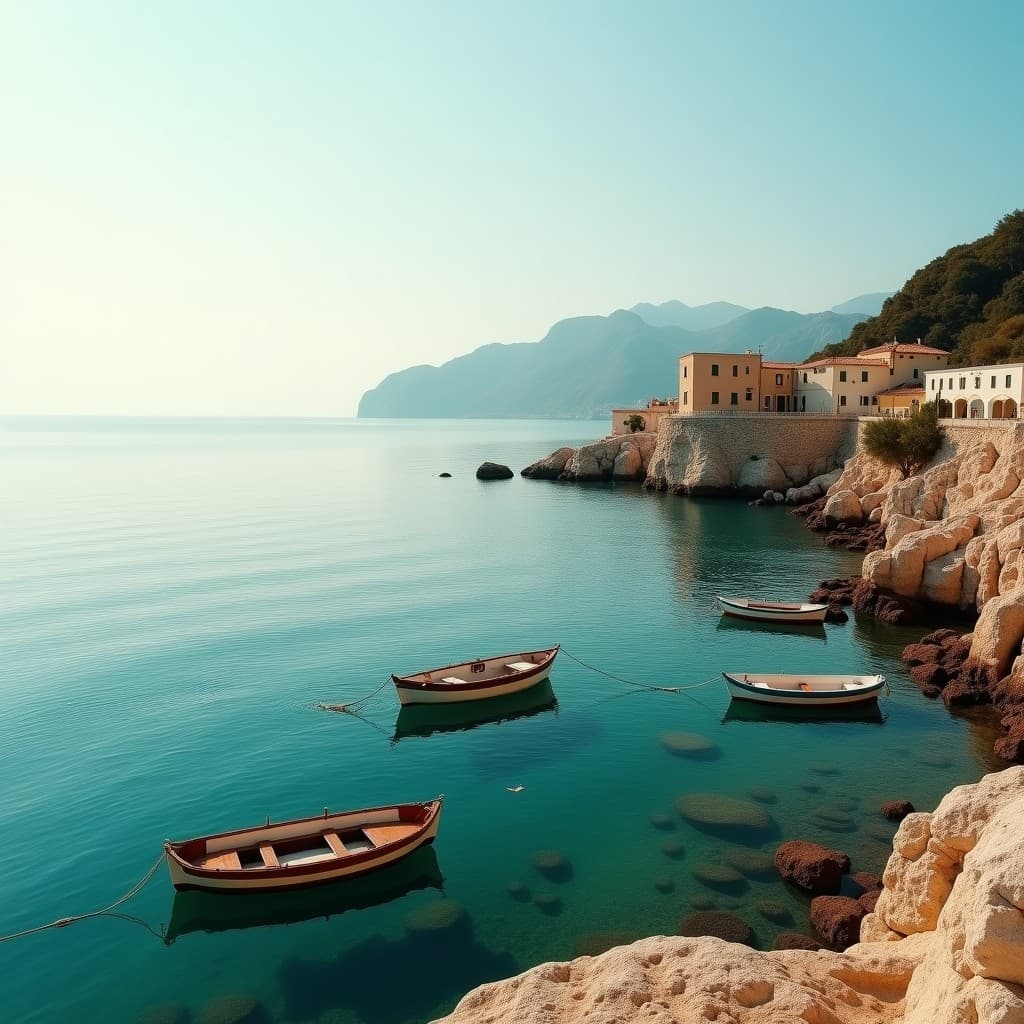
Pope Leo arrived on Saturday on Lampedusa, Italy's southernmost island and the Mediterranean's primary gateway for migrants crossing from North Africa, to deliver a message at odds with the hardening stance toward immigration in Washington and across Europe. According to the Guardian, the US-born pontiff used his first major address to his home country to praise America's history of welcoming migrants, urging citizens to live up to the ideals of the Declaration of Independence. France 24 reported the visit itself as a symbolic rebuke to anti-immigrant rhetoric from US and EU political factions. The pope paid tribute to migrants who had lost their lives at sea, visiting a cemetery on the island where thousands of names are recorded.
The timing and location carried weight. CBS News World reported that the US ambassador to the Holy See presented the pope with a commemorative baseball, apple pie and a US World Cup jersey—gestures that underscored the diplomatic nature of the occasion. Yet the visit highlighted a tension that extends far beyond ceremonial exchanges. Lampedusa, with a permanent population of around 6,500, has become the focal point of Europe's migration debate precisely because it lies at the intersection of African desperation and European fortress-building. The Washington Post noted that the pope stressed human dignity and told America that in every generation, immigrants had helped shape the nation's character.
For Sardinia and the broader Mediterranean, the pope's message arrives as the region absorbs both the human and infrastructural weight of migration flows. Tourism and migration have become intertwined pressures on island communities. CleanTechnica reported in late June that air tourism is driving housing crises across Southern Europe, including Italy, with rent hikes reaching up to €250 annually in some areas. The strain falls heaviest on islands where seasonal tourism already competes with year-round residents for housing and services. Lampedusa's symbolic status as the migration frontier makes it a barometer for how European societies—and the Church—will navigate the gap between stated values and border policies.
The pope's Lampedusa visit occurred as the Vatican faces its own internal schism. The Guardian and BBC reported that the Vatican excommunicated all members of the ultraconservative Society of Saint Pius X (SSPX) after the group ordained four bishops without papal consent, marking the first major ecclesiastical crisis of Pope Leo's papacy. The New York Times noted that many of the sect's followers have refused to renounce their priests, suggesting the excommunication may deepen rather than heal the fracture. The timing of the Lampedusa visit—a public moral stand on migration—contrasts sharply with the Vatican's struggle to maintain doctrinal unity within its own fold.
Sardinia's position in this landscape is particular. The island sits at the intersection of Mediterranean migration routes and a tourism economy increasingly strained by overtourism and climate stress. While Lampedusa absorbs the human cost of crossing, Sardinian coastal communities—especially around the Costa Smeralda and other resort zones—face their own pressure from mass tourism and rising housing costs. The pope's defense of migrant dignity comes as European islands negotiate the tension between welcoming visitors and protecting residents' access to housing and services. For the interior of Sardinia, where depopulation already poses an existential challenge, the contrast between coastal tourism booms and inland decline remains acute.