
CALABRIA
Pope Leo's Migration Tour Reaches Atlantic; Calabria Watches from the Med
Pontiff appeals for humane approach to migrants as Mediterranean crossing season peaks
Saverio Gallo412 wordsEdition №13Friday, 12 June 2026 — Edition № 13
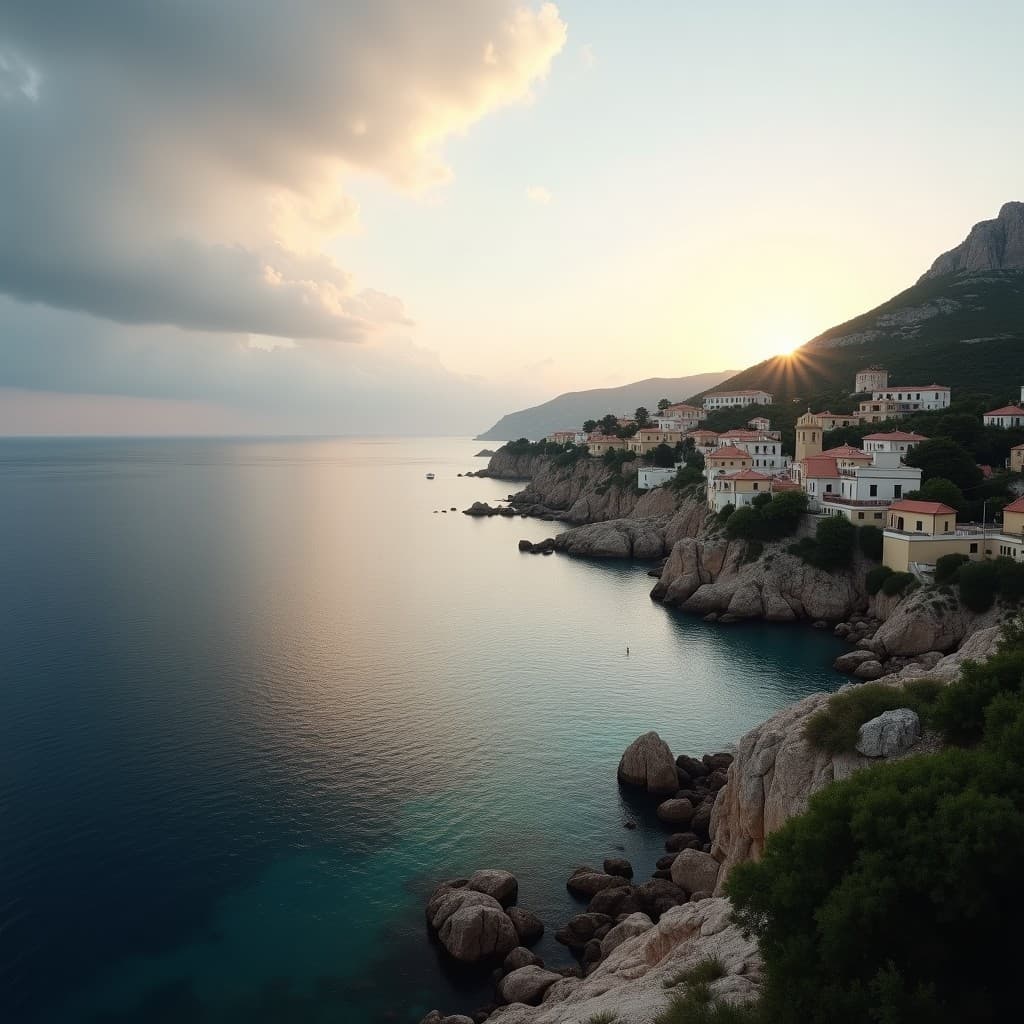
The Pope is appealing for a humane approach and respectful welcome for migrants seeking a better life, according to the BBC. His visit to the Canary Islands, a Spanish territory off the African coast, places the Vatican squarely in the politics of Mediterranean and Atlantic migration routes at a moment when crossing attempts have intensified across multiple fronts.
For Calabria, the timing carries particular weight. The region's port of Gioia Tauro and its coastal towns remain the primary landing points for migrants crossing the Central Mediterranean from North Africa. The BBC's framing of the Pope's appeal — centred on dignity and humane treatment — stands in contrast to the political tensions that have gripped southern Italy for years, where local authorities and European partners have clashed over reception capacity and burden-sharing.
Pope Leo's intervention comes as the migration season accelerates. The Canary Islands have long served as a secondary Atlantic gateway for West African migrants; the Pope's presence there signals Vatican concern about the broader geography of forced displacement, not only the Mediterranean routes that dominate European political discourse. By visiting both Spain's Atlantic frontier and, earlier this week, addressing migration in his broader European tour, the pontiff is attempting to reframe migration as a spiritual and humanitarian question rather than a security or sovereignty problem.
Calabria's regional authorities have faced mounting strain. The port city of Reggio Calabria and smaller coastal towns have absorbed significant numbers of arrivals, often with inadequate state support and under pressure from both European migration agreements and domestic political resistance. Foreign coverage of Italian migration policy has repeatedly highlighted the gap between the country's reception infrastructure and the volume of arrivals, with southern regions bearing the brunt.
The Pope's message — that migrants deserve respect and a humane welcome — echoes arguments made by international human-rights organisations and foreign media scrutinising Italy's approach. However, it carries no enforcement mechanism. What the Vatican frames as a moral imperative, Italian regional governments face as a practical and political crisis, with limited resources and little European burden-sharing. The Pope's appeal may influence Vatican-aligned voices in Italian politics, but it does not alter the structural pressures that Calabria confronts each time a boat reaches its shores.