
MARCHE
Pope visits migrant gateway as Mediterranean becomes moral frontier
Leo's Lampedusa journey on July 4 echoes across Adriatic ports and fishing communities grappling with migration, climate and moral reckoning
Elena Marcheggiani687 wordsEdition №36Sunday, 5 July 2026 — Edition № 36
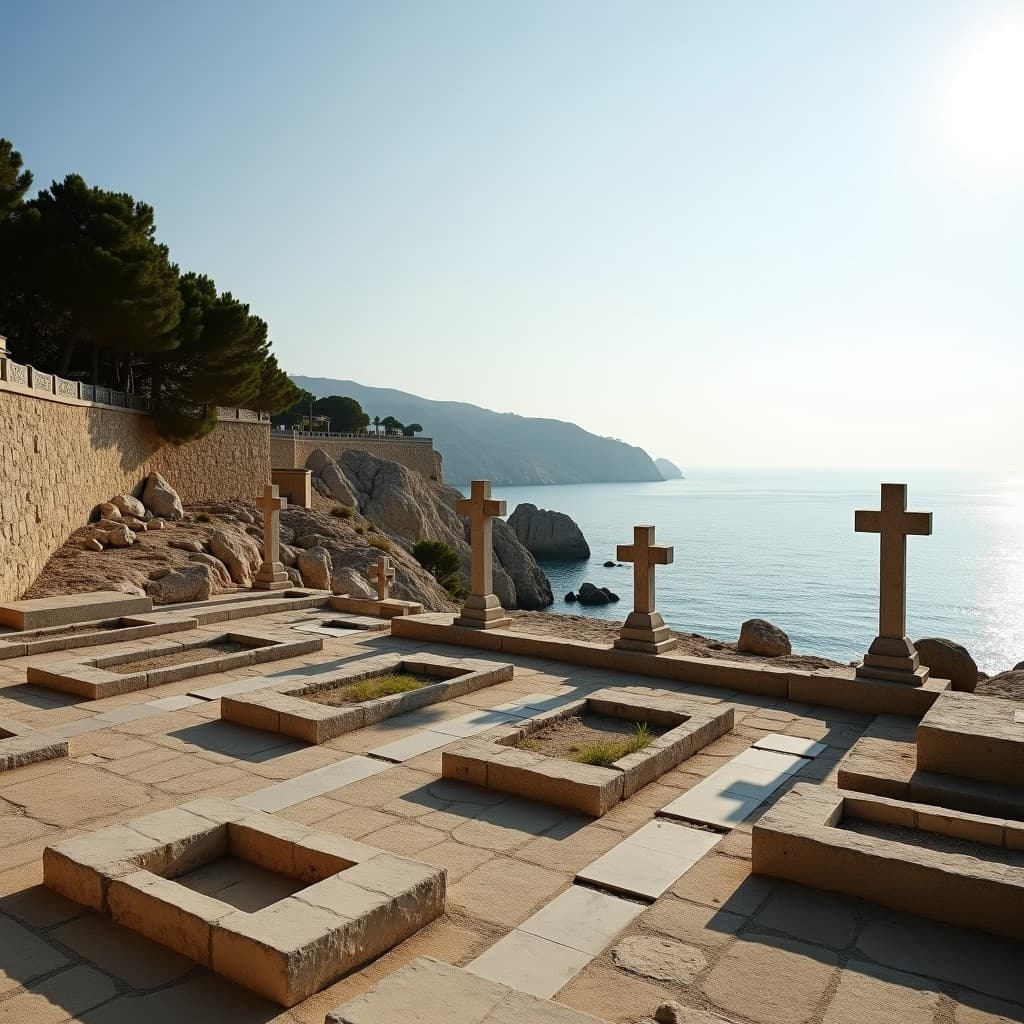
Pope Leo arrived in Lampedusa on Saturday, July 4, to honour migrants who have died attempting the Mediterranean crossing, and to deliver a public rebuke to anti-immigrant rhetoric from Washington and Brussels. According to the Guardian, the US-born pontiff praised America's founding ideals of welcoming newcomers, telling the nation it must "in every generation" honour immigrants who "helped to shape the nation's character." France 24 reported the visit as a symbolic confrontation with the Trump administration's immigration crackdown, while CBS News noted that the US ambassador to the Holy See presented Leo with a commemorative baseball, apple pie and World Cup jersey—a gesture of diplomatic courtesy amid ideological distance.
For the Adriatic coast and the fishing towns of Marche, the Pope's pilgrimage carries particular weight. Lampedusa sits at the southern edge of Europe's migration frontier; the Adriatic forms its northern boundary. Both are waters where mortality is counted in the thousands. The fishermen of the Marche coast—based in ports like Ancona and San Benedetto del Tronto—work seas that have become transit routes and, periodically, burial grounds. The moral language Leo deployed on Saturday—human dignity, the obligation to protect the vulnerable, the rejection of what the Washington Post described as a politics of exclusion—speaks directly to communities where migration is not abstract policy but a lived reality of rescue operations, drowned bodies recovered in nets, and the daily sight of migrant vessels.
The Vatican's framing of migration as a moral test, not a security problem, stands in tension with the policies of Italy's government and the broader EU consensus on border control. Yet it aligns with the experience of Adriatic port workers and fishing crews, who encounter migrants not as statistics but as people. The Guardian reported that Leo's visit to a cemetery honouring tens of thousands of dead was intended as a counterweight to the "normalisation of immoral conduct in public office"—a phrase that, in the context of Italian coastal life, cuts close to home. When fishermen pull bodies from the sea, or when coast guard crews conduct rescues, the moral clarity Leo articulated becomes tangible.
The Pope's words also arrive as Italy's summers intensify. The Local Italy reported this week that Europe's heatwave of late June ranked among the worst on record, and that northern waterways are in a "critical state" from drought. Rising temperatures drive migration northward; they also stress the marine ecosystems on which Adriatic fishing depends. Leo's moral vision—one that sees migration and environmental crisis as interconnected challenges requiring dignity and care—offers a counternarrative to the securitisation that has dominated European policy for a decade.
What comes next remains unclear. The Pope has no enforcement power over national governments, and Italy's position as a transit country has hardened under successive administrations. But Leo's visit to Lampedusa, timed deliberately to coincide with America's founding anniversary, signals that the Vatican intends to hold moral ground on migration—and to do so publicly, in the face of the world's most powerful nation. For the Adriatic communities that live with migration as daily reality, the gesture matters as witness, even if it does not yet alter the policies that shape their lives.