
SICILIA
Pope Leo's migration tour reaches Europe's southern frontier
Pontiff visits hot spots as Vatican seeks to ease political tensions over asylum and integration
Concetta Vassallo1,189 wordsEdition №7Sunday, 7 June 2026 — Edition № 7
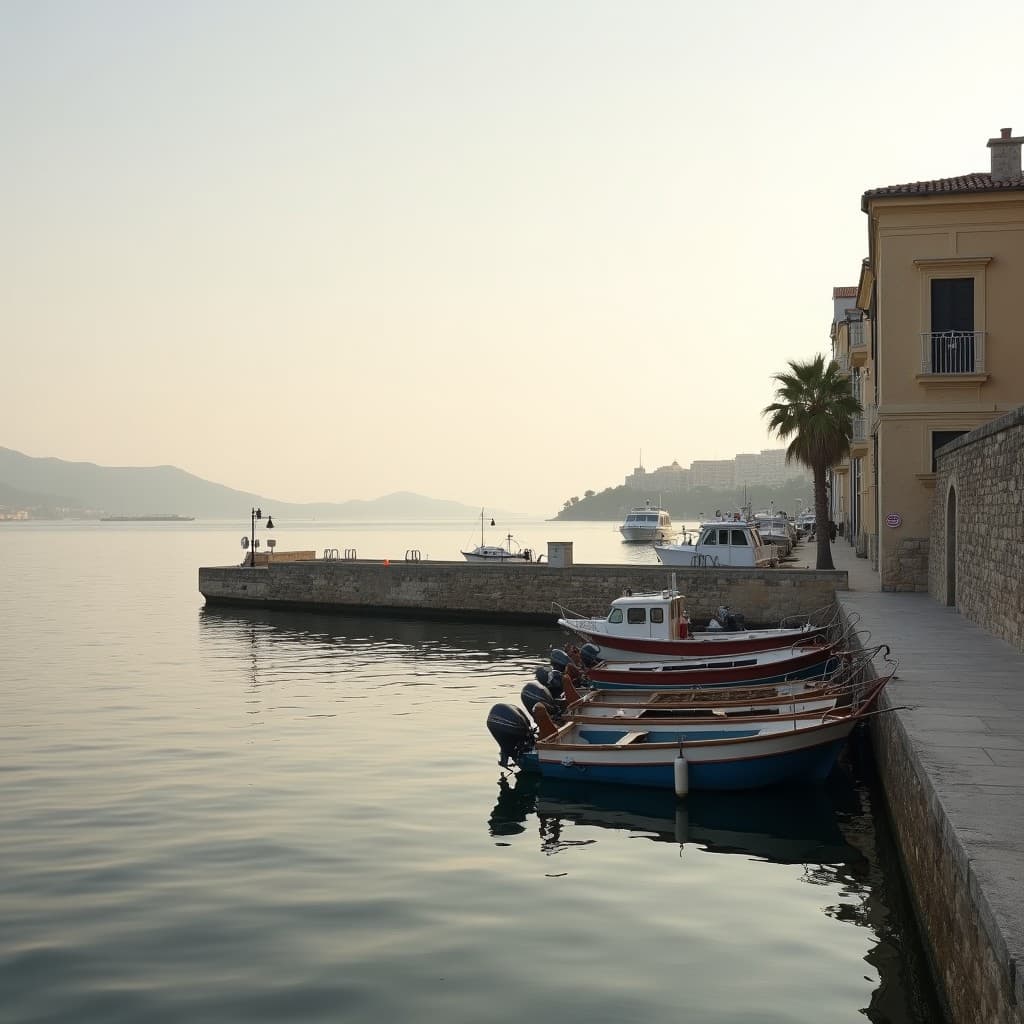
Pope Leo XIV is undertaking a tour of Europe's migration hot spots, visiting cities and regions where asylum seekers and migrants have become flashpoints of political contention. According to AP News, the pontiff's itinerary includes stops at Mediterranean ports and other frontline locations where migrants arrive and are processed. The Vatican has framed the tour as an effort to ease political tensions and promote integration, positioning the Church as a moral voice in debates that have become increasingly polarised across Europe.
The Pope's visit to these regions signals the Vatican's concern that migration has become a tool of political division rather than a humanitarian issue. AP reported that Catholics hope the papal visit will soften political rhetoric and encourage governments to view migrants as human beings deserving of dignity and protection. The tour comes at a moment when European nations, including Italy, are tightening asylum policies and border controls, often in response to domestic political pressure.
For Sicily and southern Italy, the papal tour carries particular significance. The island has been at the centre of Mediterranean migration for decades, receiving thousands of arrivals annually and serving as a proving ground for European asylum policy. The Pope's emphasis on integration and human dignity stands in contrast to the security-focused rhetoric that has dominated Italian and European political discourse on migration.
The Pope's migration tour is not merely a symbolic gesture but a deliberate intervention in a political crisis. AP News reported that the Vatican views the hardening of anti-migration sentiment across Europe as a threat to Christian values and social cohesion. By visiting migration hot spots and meeting with migrants, asylum seekers, and local communities, the pontiff aims to humanise the issue and challenge the narrative that migrants are threats rather than people in need.
Sicily occupies a unique place in this papal narrative. The island is the primary entry point for migrants crossing from North Africa and the Middle East to Europe. Lampedusa, the southernmost Italian island, has become a symbol of both European migration policy and the humanitarian crisis it creates. The Pope's tour, while not explicitly focused on Sicily, reflects the Vatican's awareness that Mediterranean migration is the defining frontier of European asylum politics.
The timing of the tour is significant. AP reported that the Pope is visiting these locations at a moment when European governments are under intense domestic pressure to reduce migration and strengthen borders. Italy's government, under Prime Minister Georgia Meloni, has pursued a hardline approach to asylum, including agreements with Libya and Tunisia to intercept migrants at sea and prevent them from reaching Italian shores. The Vatican's counter-message—that migrants deserve compassion and integration—creates a tension with official Italian policy.
The Pope's emphasis on integration addresses a secondary but crucial aspect of the migration debate. In Sicily and across southern Italy, migrants who do arrive and remain face significant obstacles to employment, housing, and social participation. Many are funnelled into informal labour markets, where they are exploited by gangmasters and traffickers, as the recent Calabrian massacre illustrates. The Vatican's call for integration implies support for policies that would regularise migrant workers, provide them with legal protections, and enable them to participate in formal economic and social life.
From Palermo, the papal tour reads as a challenge to the security-first approach that has dominated Italian politics. The city is home to significant migrant communities, many of whom have arrived in recent years and now form part of the urban fabric. The Pope's message of dignity and integration resonates with civil society organisations, religious communities, and humanitarian groups that have worked to support migrants in Sicily, often in opposition to state policies.
The Vatican's intervention in migration politics is not new, but it has intensified under Pope Leo XIV. AP reported that the pontiff has made migration a central theme of his papacy, viewing it as a test of Christian values and European solidarity. The tour is part of a broader effort to shift the terms of debate, moving away from security and border control toward questions of human rights and social responsibility.
The political context in Italy makes the papal tour particularly fraught. The Meloni government has framed migration as a security threat and has pursued policies aimed at deterrence and interception. These policies have broad support among Italian voters, who view migration as a burden on public services and a threat to social cohesion. The Pope's counter-narrative—that migrants are human beings deserving of compassion and integration—challenges this framing directly.
Sicily's experience with migration has been shaped by decades of arrivals and the gradual integration of migrant communities into the island's economy and society. Many migrants who arrived in previous waves have now settled, found work, and formed families. Their presence is visible in Palermo's neighbourhoods, markets, and workplaces. Yet they remain politically marginalised and economically vulnerable, as the labour trafficking crisis demonstrates.
The Pope's tour may have limited immediate political impact. Italian and European governments are unlikely to reverse course on migration policy in response to papal appeals. However, the Vatican's moral authority and the Pope's visibility may influence public opinion and embolden civil society groups that advocate for migrant rights. AP noted that Catholics and other religious communities are important constituencies in European politics, and the Pope's message may resonate with voters who are concerned about both migration and social cohesion.
The tour also reflects the Vatican's awareness that migration is reshaping European demographics and religious composition. Many migrants arriving in Europe are Muslim, and their presence has prompted anxieties about religious identity and cultural change. The Pope's emphasis on integration and coexistence is partly an attempt to address these anxieties and promote a vision of Europe that is pluralistic and inclusive.
For Sicily, the papal tour underscores the island's position at the intersection of global migration flows and European political crisis. The island receives migrants from across Africa, the Middle East, and South Asia, making it a microcosm of global displacement. The Pope's visit, even if symbolic, acknowledges Sicily's centrality to these processes and the moral questions they raise.
The Vatican's intervention in migration politics also reflects a broader shift in the Church's role in European public life. As traditional religious authority has declined, the Church has positioned itself as a voice for vulnerable populations and a critic of state policies that prioritise security over human rights. The Pope's migration tour is part of this repositioning, asserting the Church's moral authority in debates that have become increasingly secular and technocratic.