
VALLE D'AOSTA
Pope Leo Blesses Barcelona Tower; Alpine Pilgrimage Routes Stir
Papal visit to completed Sagrada Familia renews interest in European religious tourism and mountain shrine networks
Camille Bréan1,289 wordsEdition №10Wednesday, 10 June 2026 — Edition № 10
Pope Leo arrived in Barcelona on June 9 to celebrate mass in the Sagrada Familia Basilica and bless a new tower that has made it the world's tallest church after 144 years of construction, according to France 24. The visit coincides with the centennial of architect Antoni Gaudí's death, marking a symbolic moment in the completion of one of Europe's most recognisable religious structures. The New York Times reported that the Pope's journey to Spain also served as an occasion for him to meet with Prime Minister Pedro Sánchez and address broader questions of faith and politics in contemporary Europe.
The completion of the Sagrada Familia tower represents a milestone in European religious architecture and pilgrimage culture. France 24 noted that the basilica has long been one of Europe's most visited religious sites, drawing millions of tourists annually. The tower's completion signals a shift in how religious monuments function in contemporary Europe—simultaneously as objects of spiritual devotion, architectural achievement and tourist attraction.
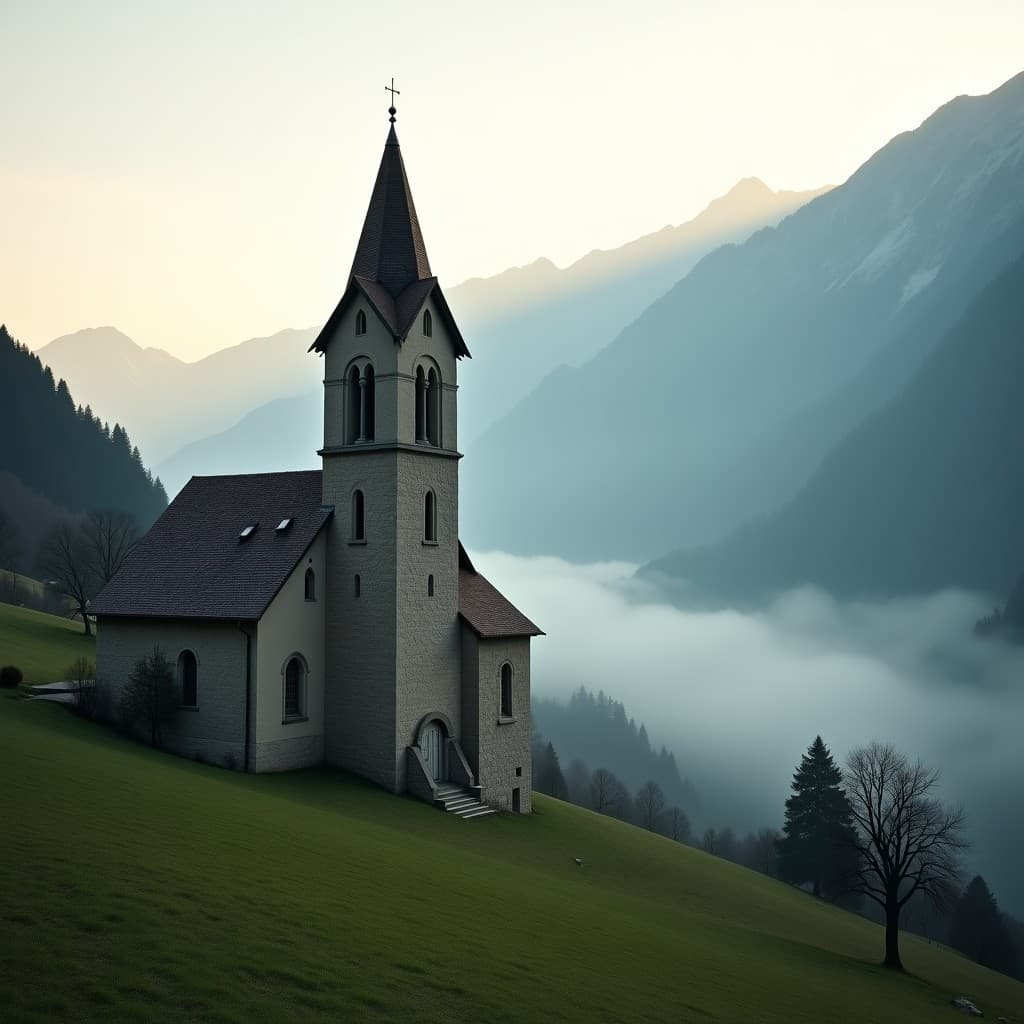
For the Valle d'Aosta, the papal blessing in Barcelona carries implications for Alpine pilgrimage networks and religious tourism. The valley sits at the intersection of several historic pilgrimage routes that connect Rome, Santiago de Compostela and other European religious centres. International travel media, particularly European outlets covering Alpine tourism, have noted increasing interest in mountain pilgrimage routes as alternatives to overcrowded Mediterranean and urban destinations.
The Sagrada Familia's completion after more than a century of construction represents a unique moment in European religious architecture. France 24 reported that the basilica's design, conceived by Gaudí in the late nineteenth century, incorporates a distinctive blend of Gothic and Catalan modernist elements. The new tower, which makes the basilica the world's tallest church by architectural height, reflects both Gaudí's original vision and contemporary engineering capabilities. The Pope's presence at the blessing ceremony underscores the Vatican's continued investment in European religious heritage and pilgrimage culture.
The New York Times noted that Pope Leo's visit to Barcelona occurred amid broader tensions between the Vatican and European political leaders over migration, economic policy and the role of faith in secular societies. The Pope's meeting with Prime Minister Sánchez highlighted these tensions, with the two leaders discussing Spain's approach to migration and social welfare. The article suggested that the Pope's European travels serve as occasions to advance Vatican diplomacy on issues ranging from climate change to labour rights.
The timing of the Sagrada Familia blessing also reflects broader patterns in European religious tourism. International travel media, including outlets covering Alpine destinations, have documented a shift in pilgrimage patterns over the past decade. Whereas traditional pilgrimage routes—such as the Way of Saint James in Spain or routes to Rome—once dominated European religious tourism, newer interest has emerged in lesser-known mountain shrines and Alpine pilgrimage networks. These routes often appeal to visitors seeking alternatives to mass tourism in major cities.
The Valle d'Aosta possesses several historic pilgrimage sites that have attracted increasing international attention. The region's position on the border between Italy and France, combined with its Alpine setting, has made it a natural waypoint for pilgrims travelling between Rome and northern European destinations. Local tourism authorities, according to reporting from French and Swiss Alpine media outlets, have begun to market the valley's religious heritage more actively to international visitors seeking mountain pilgrimage experiences.
One significant site is the Basilica of Aosta, a Roman church that dates to the fourth century and contains relics of Saint Grat, a local saint venerated in the Alps. International religious tourism guides, cited in European travel media, have noted that the basilica attracts a steady stream of pilgrims, particularly during summer months when Alpine conditions favour travel. The shrine's modest scale and mountain setting contrast sharply with the monumental character of the Sagrada Familia, yet both serve similar functions in contemporary European pilgrimage culture.
The completion of the Sagrada Familia also raises questions about the future of religious tourism in Europe. France 24 and other outlets have reported that European religious sites increasingly struggle to balance preservation, access and the economic pressures of mass tourism. The Sagrada Familia, which receives millions of visitors annually, faces particular challenges in managing crowds while maintaining the spiritual character of the space. Alpine pilgrimage routes, by contrast, often benefit from their remoteness and smaller visitor numbers.
International religious tourism experts, quoted in European travel media, have suggested that the Sagrada Familia's completion may prompt a broader reconsideration of pilgrimage in contemporary Europe. Rather than concentrating on a handful of major sites, pilgrims and religious tourists may increasingly seek out smaller, less crowded destinations that offer both spiritual significance and natural beauty. The Valle d'Aosta's Alpine pilgrimage sites fit this emerging pattern.
The Pope's visit to Barcelona also reflects the Vatican's broader engagement with European cultural heritage. The New York Times noted that Pope Leo has made European travel a priority during his papacy, visiting multiple countries and using these journeys to advance Vatican interests in European politics and society. The Sagrada Familia blessing served as an occasion to affirm the Church's role in European cultural life, even as secularisation and declining church attendance challenge Catholic institutions across the continent.
For the Valle d'Aosta, the papal blessing in Barcelona may indirectly benefit the region's religious tourism economy. International media coverage of the Sagrada Familia event has renewed attention to European religious architecture and pilgrimage culture more broadly. Travel writers and journalists, particularly those covering Alpine destinations, may use the occasion to explore alternative pilgrimage routes and lesser-known religious sites in mountain regions.
The valley's bilingual autonomy and cross-border character also position it advantageously within European pilgrimage networks. Pilgrims travelling between Italy and France often pass through the Mont Blanc tunnel or cross Alpine passes that lead directly through the Valle d'Aosta. Local authorities have begun to develop infrastructure and signage to accommodate pilgrims, recognising the potential for religious tourism to diversify the region's economy beyond skiing and summer hiking.
The Sagrada Familia's completion also underscores the long timescales involved in major religious construction projects. Gaudí's design took over a century to realise, reflecting both the ambition of the original vision and the practical challenges of executing such a complex architectural programme. The Valle d'Aosta's religious sites, though far smaller, embody similar histories of incremental construction and renovation across centuries. The Basilica of Aosta, for instance, has been rebuilt and modified repeatedly since its fourth-century foundation.
Looking forward, the completion of the Sagrada Familia may catalyse broader interest in European religious heritage tourism. International travel media have begun to document a shift away from mass tourism toward more dispersed, culturally engaged forms of travel. Alpine pilgrimage routes, including those in the Valle d'Aosta, position the region to benefit from this trend. Local tourism boards have begun to market the valley's religious heritage alongside its natural attractions, emphasising the spiritual dimensions of Alpine travel.