
LAZIO
Pope Leo XIV's migration tour targets Europe's political fractures
Vatican strategy uses papal visits to migration hotspots to reframe debate on borders and integration
Davide Ruspoli1,389 wordsEdition №7Sunday, 7 June 2026 — Edition № 7
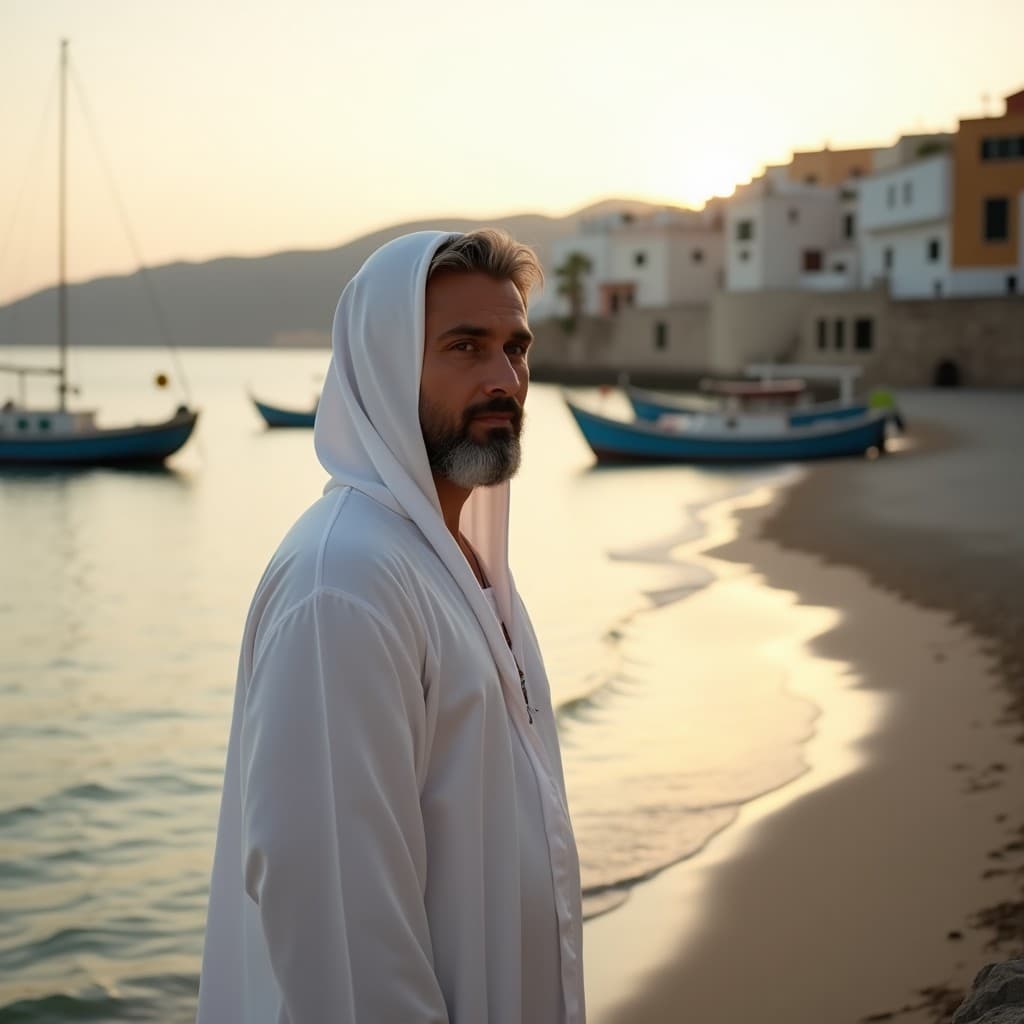
Pope Leo XIV is conducting a tour of Europe's migration hotspots, visiting countries where immigration has become a flashpoint of political conflict and social tension. According to AP News, the pontiff is using these visits to advance a moral argument about migration and integration that runs counter to the restrictive policies many European governments have adopted. The tour represents a deliberate Vatican strategy to deploy papal authority and symbolic presence in order to influence how European societies think about borders, belonging, and the obligations wealthy nations owe to migrants and refugees.
The Pope's itinerary takes him to Spain and other nations where migration from Africa and the Middle East has reshaped electoral politics and public discourse. By visiting these locations personally, Leo is making a statement that the Church regards migration not as a technical policy problem to be managed by border enforcement but as a moral and spiritual question that demands compassion and structural reform. The tour signals that the Vatican intends to be a vocal participant in one of Europe's most divisive political debates, using the Pope's moral authority to challenge the legitimacy of exclusionary immigration policies.
From Rome's perspective, the Pope's migration tour carries particular significance because it affects how Italy itself is perceived internationally and how Italian policymakers calculate their own stance on immigration. Italy sits at the Mediterranean frontier where African and Middle Eastern migrants first arrive in Europe, making it a central node in European migration politics. When the Pope speaks about migration from Rome, he is implicitly commenting on Italian policy and Italian responsibility. The Vatican's moral authority, deployed on this question, can either reinforce or undermine the political positions that Italian governments adopt.
Pope Leo XIV's tour of Europe's migration hotspots represents a calculated use of papal presence and moral authority to reshape public and political discourse on one of the continent's most contentious issues. AP News reported in early June that the pontiff is visiting countries where immigration has become a central electoral issue and where governments have moved toward more restrictive policies. The tour is not a pastoral visit in the traditional sense—a journey to strengthen the faith of local Catholic communities—but rather a political intervention dressed in spiritual language.
The Pope's choice to visit migration hotspots reflects a strategic judgment about where the Church's voice can have the most impact. Spain, which receives substantial numbers of migrants from North Africa, is one of the tour's destinations. Other stops include countries where migration has driven electoral shifts toward anti-immigration parties and where governments have adopted policies that the Vatican views as incompatible with Catholic social teaching. By appearing in these locations, the Pope is attempting to delegitimise restrictive immigration policies by invoking a higher moral authority and by suggesting that compassion and integration, not exclusion, reflect authentic Christian values.
The Vatican's strategy relies on the symbolic power of the papal presence. When the Pope visits a migration processing centre, a refugee camp, or a border town, he is making a visual argument that migrants and refugees are worthy of dignity and care. The international press, which maintains bureaus in Rome and follows papal movements closely, amplifies this message globally. Foreign correspondents covering the Pope's migration tour will frame it as a moral challenge to European governments, and this framing will reach policymakers, publics, and opinion leaders across the continent.
For Italy, the Pope's migration tour carries immediate political implications. Italy has long been the entry point for African migrants crossing the Mediterranean, and Italian governments have struggled to manage the political backlash against immigration. The Pope's tour, by framing migration as a moral imperative rather than a security threat, implicitly criticises Italian policies that prioritise border control and deterrence. Italian policymakers will face pressure to reconcile their immigration stance with papal teaching, or to publicly reject the Pope's moral authority—a politically costly move in a country where the Vatican retains significant cultural influence.
The tour also reflects a broader Vatican strategy to position the Church as a moral voice on questions that secular governments have failed to address adequately. The international liberal order—the system of rules and institutions that has governed international relations since 1945—has struggled to manage migration in ways that both respect national sovereignty and protect migrant rights. The Vatican, by deploying papal authority on this question, is offering a moral framework that transcends the sovereignty-versus-rights dilemma. The Church argues that nations have obligations to migrants that cannot be overridden by border control imperatives.
The Pope's migration tour also serves a Vatican interest in defending the Church's institutional interests. The Church operates schools, hospitals, and social services in many European countries, and it depends on public funding and political support to sustain these operations. By positioning itself as a defender of migrants and refugees, the Church appeals to progressive constituencies and to younger Catholics who view social justice as central to their faith. The tour helps the Vatican maintain its moral standing among constituencies that might otherwise view the Church as complicit with conservative or nationalist governments.
From the perspective of Rome as a diplomatic centre, the Pope's migration tour matters because it affects how other nations perceive the Vatican's foreign policy priorities. The Holy See maintains diplomatic relations with nearly every country in the world, and papal positions on migration influence how these relationships develop. When the Pope speaks about migration from Rome, he is making a statement about Vatican foreign policy that other governments must take seriously. The tour signals that the Vatican intends to prioritise migration and integration as central to its diplomatic engagement with European nations.
The tour also reflects Leo's early papacy and his willingness to engage directly with contemporary political conflicts rather than retreating into purely doctrinal or spiritual terrain. His first encyclical addressed artificial intelligence, a secular policy question. His migration tour addresses immigration policy, another secular domain. This pattern suggests a pontiff intent on making the Church a visible participant in the world's most urgent political debates. Whether this strategy enhances or diminishes the Church's moral authority remains contested, but it clearly signals Leo's intent to deploy papal authority on questions that governments regard as their own domain.
The international press coverage of the Pope's migration tour will shape how European publics and policymakers understand both migration and the Church's role in public life. Foreign correspondents covering the tour will frame it as either a moral intervention or as papal overreach, depending on their own editorial perspectives and their assessment of the Pope's arguments. The tour's success or failure will be measured not in immediate policy changes but in shifts in public opinion and in the political space available for governments to adopt more generous immigration policies without facing electoral punishment.
The Vatican's use of the Pope's migration tour as a political intervention also raises questions about the proper relationship between religious authority and secular governance. Some observers will view the tour as an appropriate exercise of moral leadership; others will see it as an inappropriate intrusion of religious institutions into matters that should be decided by democratic processes and elected governments. These debates will play out in the international press and will affect how the tour is perceived and what political consequences it generates.
For Italy specifically, the Pope's migration tour creates both opportunities and risks. An Italian government that aligns itself with papal teaching on migration can appeal to Catholic voters and to progressive constituencies that value the Church's social witness. An Italian government that resists papal pressure can appeal to nationalist and anti-immigration constituencies that view the Pope as an obstacle to border control. The tour thus intensifies the political pressure on Italian policymakers to take a clear stance on migration, either in alignment with or in opposition to Vatican teaching.
The Pope's migration tour also reflects the Vatican's assessment that European governments are moving in a direction the Church finds morally unacceptable. The rise of anti-immigration parties, the adoption of restrictive asylum policies, and the hardening of public opinion against migrants have all prompted the Vatican to deploy its moral authority more forcefully. The tour represents an attempt to reverse these trends by invoking religious authority and by making a moral case for a different approach to migration and integration.
Looking forward, the success of the Pope's migration tour will depend on whether it shifts public opinion, influences government policy, or merely reinforces existing divisions. The Vatican will measure success not in immediate policy changes but in the long-term trajectory of European attitudes toward migration and in the Church's ability to maintain moral authority on this question. The tour is one intervention in what will be a sustained Vatican effort to shape how Europe thinks about migration, integration, and the obligations wealthy nations owe to the world's poor and displaced.