
LIGURIA
Mediterranean shipping sector convenes as Middle East tensions disrupt global trade
Posidonia 2026 opens in Athens amid attacks on vessels; Genoa's port watches for ripple effects
Marina Doria1,356 wordsEdition №5Friday, 5 June 2026 — Edition № 5
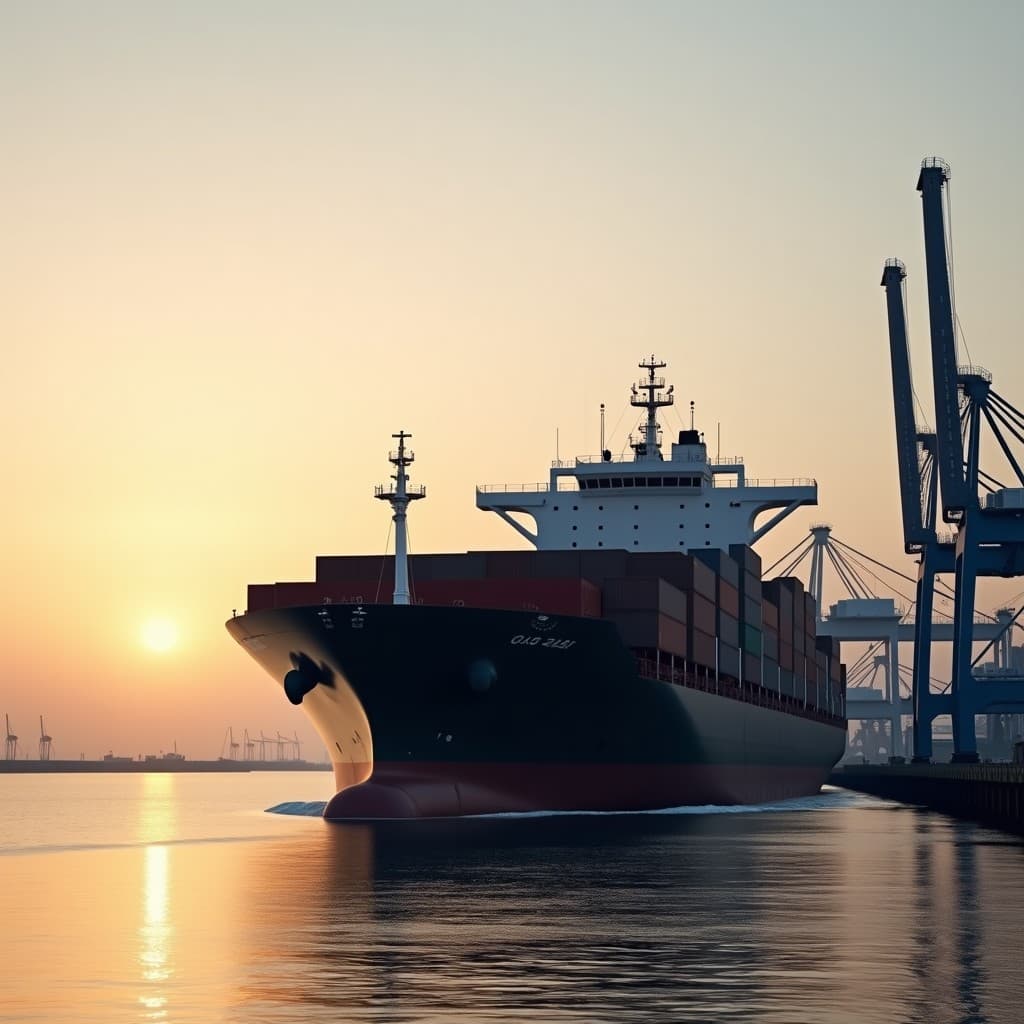
The Posidonia 2026 maritime conference opened in Athens on June 1, drawing the shipping industry's attention to a sector under strain from geopolitical disruption. In the same week, the container ship MSC Sariska V was struck by projectiles while departing the Iraqi port of Umm Qasr on June 1, and a Greek-owned tanker, the Olympic Life, was hit in the Gulf of Oman on May 26, spilling bunker fuel. These incidents underscore the hazards facing vessels that carry goods through chokepoints on routes that feed European and Mediterranean ports.
Genoa, Italy's largest port and the gateway for much of Northern Europe's Asian trade, is watching these developments closely. When shipping routes through the Middle East become dangerous or congested, vessels are rerouted, delayed or rerouted to alternative ports. The cost of insurance rises, shipping schedules slip, and the pressure on ports like Genoa to absorb diverted cargo increases.
Seatrade Maritime News, the conference's official media partner, reported on the opening day that the industry is grappling with security, supply chain resilience and the economics of rerouting. The Strait of Hormuz, through which roughly one-third of global seaborne oil passes, remains volatile. Tankers and container ships operating in the region face heightened risk, and shipowners are calculating whether to pay higher insurance premiums and transit fees or accept longer voyage times via alternative routes around Africa.
The Posidonia conference, held every two years in Athens, is the Mediterranean shipping industry's flagship gathering. Owners, operators, charterers, insurers and port authorities convene to discuss market conditions, regulatory changes and strategic challenges. The 2026 edition opened against a backdrop of geopolitical tension that is reshaping global maritime trade.
The attacks on MSC Sariska V and Olympic Life are not isolated incidents. The Strait of Hormuz has been a flashpoint for months, with the US and Iran exchanging fire while nominally negotiating peace, according to Seatrade Maritime News. The Houthis, a Yemen-based militant group, have also attacked shipping in the Red Sea. These threats have forced shipowners to reroute vessels around the Cape of Good Hope, adding weeks to voyages and significant cost.
For Genoa, the implications are direct. The port handles roughly 2.7 million containers annually, many of them bound for or originating from Asia. When the Suez Canal and the Strait of Hormuz become risky or congested, some shipping lines divert to alternative routes or hold cargo longer, waiting for insurance and security conditions to improve. This creates bottlenecks at Mediterranean ports.
Genoa's port authority has invested in capacity upgrades and automation to handle higher throughput. But the port's infrastructure is constrained by the city's geography: it sits on a narrow coastal strip, with mountains behind it and limited road and rail connections to the interior. When cargo volumes spike due to rerouting or supply chain disruptions, the port's ability to move goods inland becomes the limiting factor.
The broader context is one of fragile supply chains. The pandemic exposed how dependent global trade is on a handful of chokepoints and ports. The blockage of the Suez Canal by the Ever Given container ship in March 2021 paralysed trade for weeks. The attacks on shipping in the Middle East are a different kind of disruption, but they have the same effect: they force shipowners and logistics companies to recalculate routes, costs and timelines.
Seatrade Maritime News reported that the conference agenda includes sessions on supply chain resilience, decarbonisation and digital innovation. But the immediate concern is security and cost. Shipowners are asking: how long will the Middle East remain unstable? Should we reroute permanently, or is this a temporary crisis? What is the true cost of alternative routes, including fuel, time and insurance?
For Italian ports, the answer matters. Genoa, Venice and other Mediterranean hubs benefit when Asian trade is routed through the Suez Canal and the Strait of Hormuz. But they also benefit from rerouting, because it increases cargo volumes and extends voyage times, creating more work for port workers, stevedores and logistics companies. The challenge is managing the volatility.
The Port of Genoa has positioned itself as a hub for Northern European trade. Goods arriving at Genoa are trucked or railed to Milan, Turin, and beyond into Switzerland, Germany and France. This inland reach gives Genoa an advantage over ports further south. But it also means that congestion at Genoa ripples through the entire Alpine supply chain.
Climate stress is another factor. The Mediterranean is warming, and weather patterns are becoming less predictable. Heavy rainfall and flooding have disrupted port operations and inland transport links. The Riviera's narrow coastal strip is vulnerable to both sea-level rise and mountain runoff. A port that is already strained by cargo volume cannot easily absorb additional climate-related disruptions.
The Posidonia conference will likely produce calls for investment in port infrastructure, digital systems to improve efficiency, and international cooperation on maritime security. But the deeper issue is structural: global trade is concentrated in a few chokepoints, and those chokepoints are increasingly vulnerable to geopolitical, climate and economic shocks.
Genoa's role in this system is significant but precarious. The port is essential to European trade, but it is also a single point of failure. If Genoa's infrastructure is overwhelmed, goods back up throughout Northern Europe. If the Middle East remains unstable, more cargo will be rerouted through Genoa, adding pressure. The port authority is aware of these risks, but addressing them requires sustained investment and political support.
The attacks on MSC Sariska V and Olympic Life are reminders that shipping is not a stable, predictable business. It is subject to geopolitical shocks, climate events and economic cycles. Ports like Genoa must be resilient enough to absorb these shocks without breaking. Whether Genoa's current infrastructure can meet that test is an open question.