
UMBRIA
Italian police dismantle Chinese-run underground bank used by drug traffickers
Clandestine operation in Prato moved €80-100m annually; investigation reveals global money-laundering network
Niccolò Mariani421 wordsEdition №17Tuesday, 16 June 2026 — Edition № 17
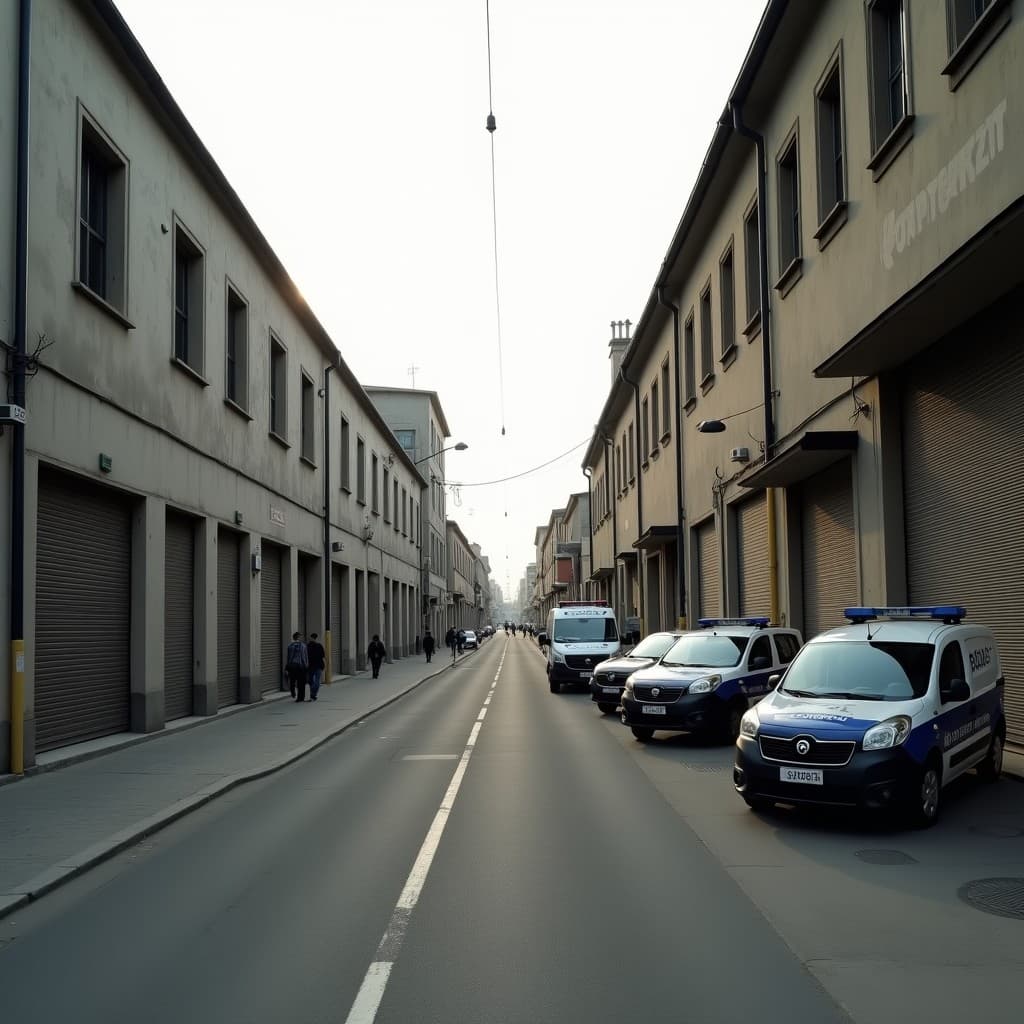
Italian police have dismantled an underground bank operated by a Chinese national in Prato, the textile hub in Tuscany, according to the Guardian. The clandestine operation moved between €80 and €100 million annually through intermediaries and is believed to have processed several hundred million euros over at least three years. The bank served as a global broker for drug trafficking proceeds and other illicit funds, functioning as a shadow financial system parallel to legitimate banking channels.
The operation's scale and sophistication underscore the vulnerability of Italy's financial infrastructure to organised crime, particularly in regions where large immigrant communities and cash-intensive industries create opacity. Prato, long a centre of Chinese textile manufacturing and commerce, has become a focal point for international money-laundering networks. The bank's role as a global broker—not merely a local conduit—suggests connections to trafficking organisations across multiple continents and drug markets.
The dismantling of the underground bank reflects a broader pattern in foreign coverage of Italian crime: the intersection of regional economic specialisation, migrant communities, and transnational criminal networks. Prato's textile sector, built on low-margin manufacturing and rapid capital turnover, has historically attracted both legitimate and illicit financial flows. The clandestine bank appears to have exploited this ecosystem, using intermediaries to move money through trade invoicing, currency exchange, and cash smuggling.
For Umbria, the case carries implications beyond Tuscany's borders. The region's own small manufacturing base—ceramics, food production, textiles in smaller towns—shares Prato's vulnerability to money-laundering schemes that exploit trade invoicing and informal financial networks. The Guardian's reporting does not detail the investigation's scope or whether other regional networks remain under scrutiny, but the case demonstrates how global trafficking proceeds flow through Italy's interior, not merely its ports and airports.
The arrest and dismantling also illustrate the state's capacity to detect and disrupt even sophisticated underground financial operations, though the three-year window between the bank's operation and its closure suggests substantial sums moved undetected. The investigation's international dimensions—the Guardian mentions the operation's role as a global broker—point to cooperation between Italian law enforcement and foreign agencies, a recurring theme in coverage of Italy's organised crime challenges. What remains unclear from the available reporting is whether the investigation has identified the bank's principal clients or the extent of its connections to trafficking organisations operating in or through central Italy.