
VENETO
Global wine tourism poised to triple by 2033, lifting Veneto's export economy
Market research forecasts $138 billion sector by 2033; northeastern Italy's Prosecco region stands to capture growing share of affluent travellers.
Tommaso Veronese385 wordsEdition №23Monday, 22 June 2026 — Edition № 23
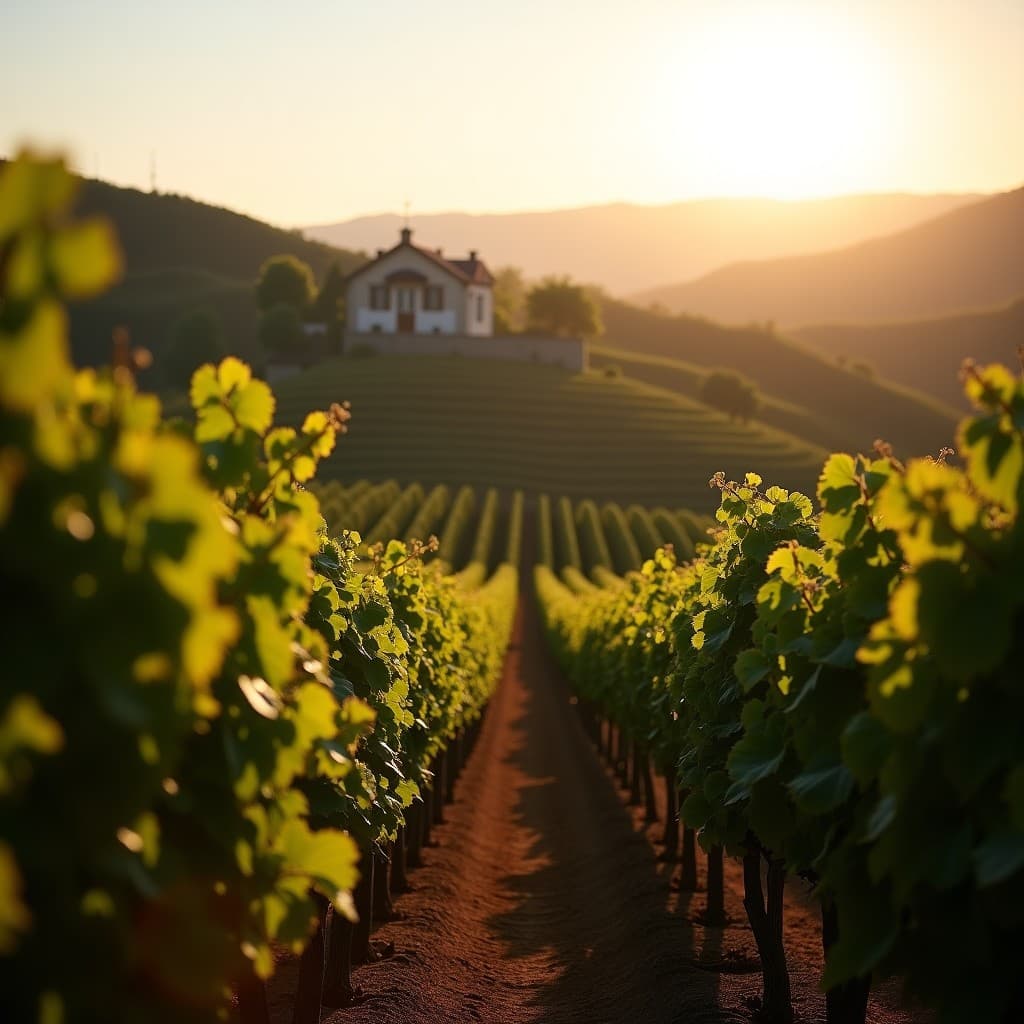
The global wine tourism market is expected to grow from an estimated $57.4 billion in 2026 to $138.4 billion—roughly €119.7 billion—by 2033, according to analysis by Persistent Market Research cited by tourism-review.com. Rising personal incomes, particularly in affluent markets, are driving the expansion. The forecast suggests sustained annual growth across the seven-year period, as travellers increasingly seek experiential tourism tied to food, wine and regional heritage.
For Veneto, the projection carries direct economic weight. The region's Prosecco zone—spanning the hills of Treviso and Valdobbiadene—has long positioned itself as a premium wine-tourism destination, drawing visitors from Northern Europe, North America and Asia. The sector already anchors rural employment and supports small-firm networks in hospitality, transport and agritourism. A tripling of global wine tourism spending would likely redirect traffic and investment toward established wine regions with established infrastructure and brand recognition.
The growth trajectory reflects broader shifts in how affluent travellers allocate leisure spending. According to tourism-review.com, rising disposable incomes in developed economies are the primary driver, though the analysis notes that cultural interest in wine production, terroir and regional food systems also plays a role. The forecast assumes steady expansion rather than sharp peaks, suggesting the market will absorb new entrants while sustaining demand for established destinations.
Veneto's position in this expanding market depends on how effectively the region manages two competing pressures: the appetite for wine-tourism revenue and the sustainability of the landscape and communities that produce it. The Prosecco zone has already experienced rapid growth in vineyard expansion and visitor numbers over the past decade, raising questions about land use and rural character that foreign travel critics have begun to examine. A tripling of global wine tourism could amplify both the economic opportunity and the environmental strain.
The forecast comes as Veneto's regional government and wine consortiums are investing in tourism infrastructure—wine routes, tasting facilities, accommodation—across the Prosecco hills. If the market analysis holds, such investment may prove timely. However, the expansion will also test whether the region can absorb increased visitor pressure without compromising the agricultural identity and landscape quality that attract travellers in the first place. The coming years will reveal whether Veneto's wine tourism can grow sustainably or whether it faces the same over-tourism dynamics that have reshaped Venice and other heritage destinations.