
SARDEGNA
Sardinian beach tightens visitor rules as wildfire recovery takes shape
Punta Molentis restricts umbrellas for working-age visitors, citing 2025 coastal damage from southern island blazes.
Gavino Sanna447 wordsEdition №14Saturday, 13 June 2026 — Edition № 14
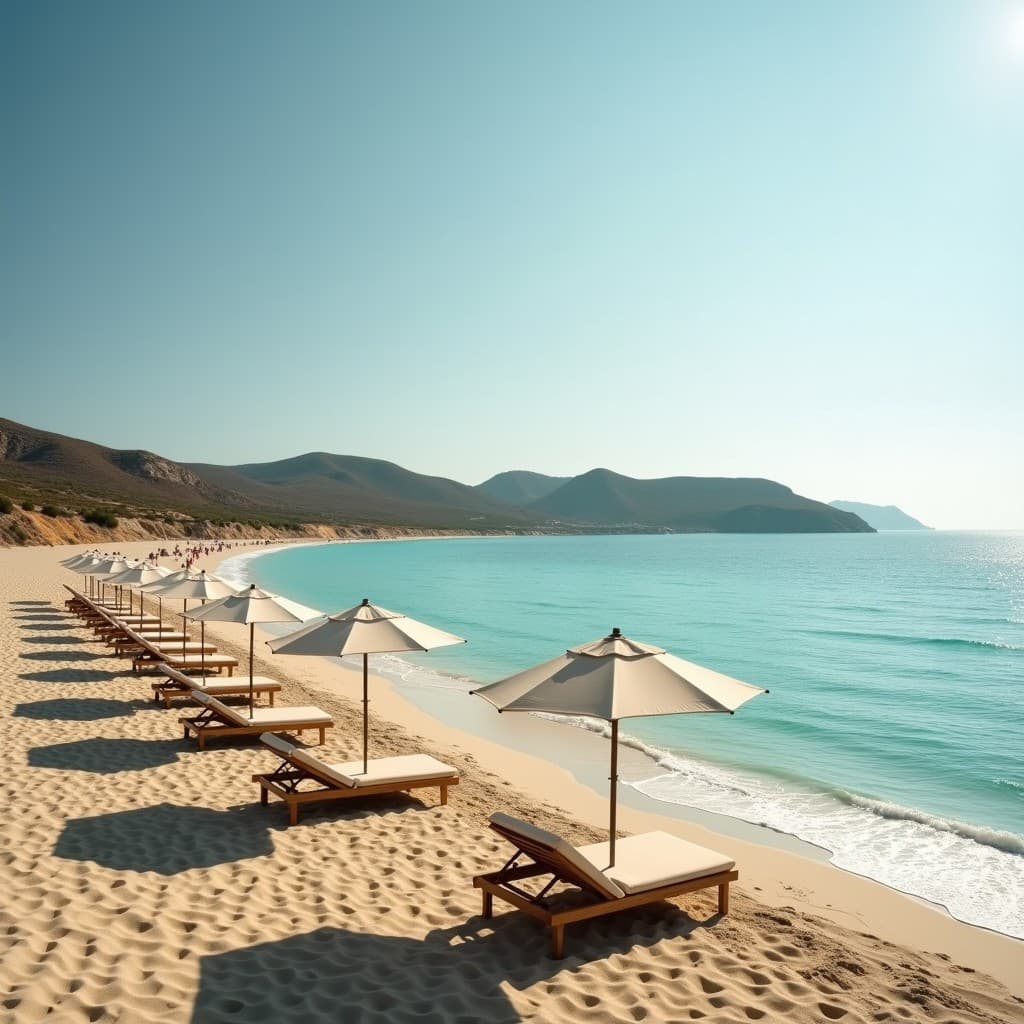
Punta Molentis, a beach in southern Sardinia, has begun restricting visitor access in a measure the BBC reported Friday as a response to damage inflicted by 2025 wildfires that swept across the island's coastal regions. The ban on umbrellas for visitors between 10 and 65 years old takes effect immediately, according to the report, marking an unusual intervention in how the beach manages its summer season.
The restriction follows extensive wildfire damage to coastal ecosystems across southern Sardinia last year. The BBC did not specify the exact mechanism by which the umbrella limit addresses fire recovery, but the timing reflects broader pressure on Mediterranean beaches to balance conservation with the demands of mass summer tourism—a tension that has grown acute as climate stress intensifies across the region.
The measure echoes management strategies emerging elsewhere in Italy and the Mediterranean as local authorities grapple with how to protect fragile coastal environments while maintaining visitor revenue. Sardinia's economy relies heavily on summer tourism, particularly along its northern Costa Smeralda, but the island's interior and southern coast have faced mounting climate stress, from drought to wildfire to coastal erosion.
The BBC's report did not elaborate on enforcement or the specific rationale for the age-band restriction, but the timing coincides with Sardinia's peak summer season and the ongoing recovery of coastal areas damaged by the 2025 fires. The island's regional government has faced mounting pressure to manage tourism in ways that do not further strain ecosystems already weakened by fire and drought.
Sardinia's experience reflects a wider Mediterranean pattern: foreign press coverage of the region frequently highlights the clash between coastal tourism and environmental fragility. The island sits at the intersection of luxury tourism (the Costa Smeralda attracts international visitors and wealthy yachts) and a fragile interior economy dependent on pastoralism and agriculture—sectors themselves threatened by climate stress and depopulation. Coastal restrictions on visitor behaviour, however modest, signal an attempt to protect what remains of the damaged landscape.
No foreign outlet has yet reported broader policy changes or additional restrictions planned for the summer season, nor has the BBC provided detail on visitor response or enforcement capacity. The measure stands for now as a localised experiment in managing the competing demands of recovery and tourism revenue on an island whose prosperity has long rested on its beaches and natural heritage.