
LOMBARDIA
Ralph Lauren revives the tie at Milan menswear show
Designer harks back to 1967 accessory launch while courting younger buyers at fashion week
Beatrice Comolli445 wordsEdition №22Sunday, 21 June 2026 — Edition № 22
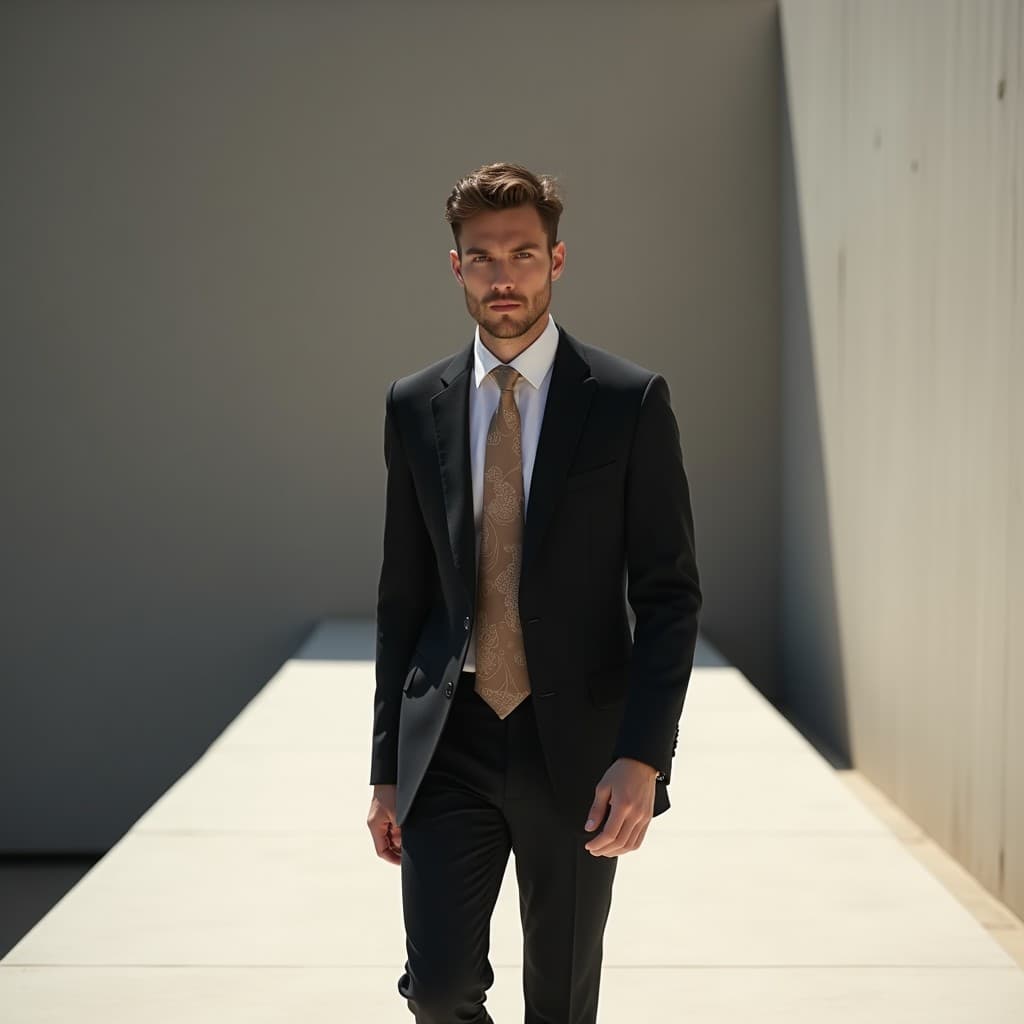
Ralph Lauren opened his Spring/Summer 2027 menswear show in Milan on Saturday by pivoting to the accessory that launched his brand in 1967: the tie. According to the Guardian, skinny silk ties featuring subtle swirly prints formed the backbone of a collection designed to speak across generations, with the designer invoking the golden age of Italian sport as a cultural anchor. The move marks a deliberate retreat from the logomania and oversized silhouettes that have dominated luxury menswear for the past decade.
The presentation arrives at a moment when Milan's fashion calendar is in flux. Reuters reported that the city is hosting both the Pitti Uomo trade fair and Milan Fashion Week Men's shows this season, with international guest designers signalling the industry's confidence in the market despite what Vogue described as "significant challenges and transformations" facing global fashion. Ralph Lauren's choice to return to Milan for a second standalone men's show underscores the city's continued pull as a destination for major American and European houses seeking to reset their menswear narratives.
The tie strategy reflects a broader calculation in luxury menswear: that heritage and craft can compete with novelty. By tethering his collection to an accessory associated with postwar American prosperity and Italian tailoring tradition, Lauren is positioning himself against the streetwear and athleisure logic that has fractured the menswear audience. Whether the play succeeds with younger buyers—the demographic most sceptical of tie culture—remains to be seen as orders flow from the show.
Milan's fashion week calendar has become a barometer of how the international luxury industry reads Italy's economic and cultural standing. The Guardian noted that Ralph Lauren's decision to present in the city reflects both the strength of Milan as a fashion capital and the designer's ambition to anchor his brand in a specific cultural moment—one where heritage and craft carry weight against digital-native competitors. The presentation also comes as other major houses recalibrate their menswear strategies; Dolce & Gabbana, the Guardian reported on Saturday, leaned into theatrical excess and Mediterranean escapism in its own Spring/Summer 2027 show, suggesting that Milan's menswear season is becoming a site where competing philosophies of luxury—minimalism versus maximalism, restraint versus spectacle—are being tested in real time.
For Lombardy's fashion and design economy, the significance lies in the message the shows send to international buyers and press. Milan Fashion Week Men's attracts global retail executives and journalists who use the presentations to forecast trends and commit capital. A successful season that draws major houses and generates positive coverage in the international press amplifies the city's position as the arbiter of menswear direction, which in turn anchors investment in design studios, production facilities and the ecosystem of smaller suppliers that depend on the fashion calendar's rhythm. The tie's return—a symbol of order, tradition and male formality—also signals a potential pivot in how the market values craftsmanship and slowness, qualities embedded in Lombardy's manufacturing base.