
ECONOMY
Red Sea piracy surge forces Genoa port to weigh Suez alternatives amid shipping disruptions
Renewed attacks in Gulf of Aden threaten to reroute Mediterranean trade flows away from northern Italian ports
Marina Doria622 wordsEdition №50Sunday, 19 July 2026 — Edition № 50
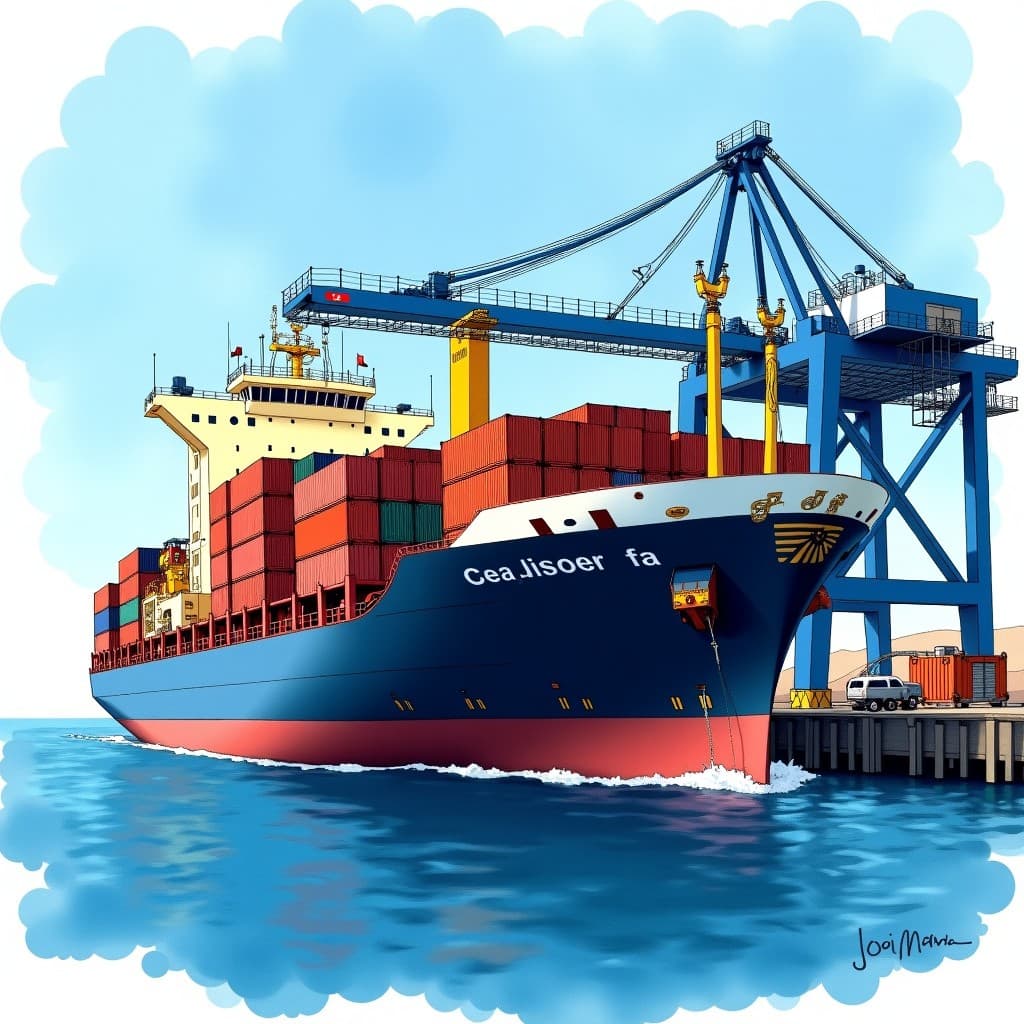
Piracy attacks have returned to the Gulf of Aden with renewed intensity, according to Seatrade Maritime News, which reported an assault on an 11,000-ton vessel as part of a broader pattern of maritime insecurity in the region. The resurgence threatens to disrupt one of the world's most critical shipping corridors—the route through the Red Sea and Suez Canal—that channels goods destined for Genoa and other Mediterranean ports. Shipping operators are now reassessing whether to risk the Suez passage or divert vessels around the Cape of Good Hope, a decision with direct consequences for Italian port throughput and the logistics networks that depend on rapid Mediterranean arrivals.
For Genoa, Europe's second-busiest container port, the strategic implications are significant. The Suez route typically offers faster transit times to Asia and the Middle East, reducing voyage duration by weeks compared to the Cape route. If operators systematically choose the longer passage to avoid piracy risk, container volumes at Genoa could face downward pressure as shipping schedules extend and costs rise. Port operators and freight forwarders in the region are monitoring the situation closely; a sustained shift in routing would ripple through Liguria's logistics sector, affecting trucking, rail connections and warehouse utilisation rates that feed northern European distribution networks.
The timing of the piracy escalation compounds existing pressure on Mediterranean shipping. According to Seatrade Maritime, the attacks coincide with ongoing tensions in Yemen, where Houthi-aligned forces have periodically targeted commercial vessels. European shipping associations have warned that prolonged insecurity in the Red Sea could accelerate a structural shift in global trade routes, with some operators investing in alternative pathways and establishing supply chain redundancy that bypasses the Mediterranean altogether. For Genoa, which has invested heavily in modern container handling and rail connectivity to central Europe, such a shift would undermine the competitive advantages that have attracted major shipping lines.
Port authorities and government officials in Liguria have limited direct influence over international piracy or geopolitical tensions in Yemen. However, the region's logistics operators are already exploring contingency arrangements—diversifying their supplier networks, increasing inventory buffers, and negotiating longer lead times with customers. Some shipping lines have begun pricing in a piracy premium, raising freight costs and making longer routes more economically viable. The port of Genoa's ability to retain traffic in a shifting global shipping environment will depend partly on maintaining cost competitiveness and partly on the stability of the Red Sea corridor itself. Maritime security remains a matter of international negotiation and naval presence, not local action; yet Genoa's economic exposure to these distant disruptions underscores how closely even a regional port is bound to global trade flows and geopolitical risk.