
LIGURIA
Houthi threats to Red Sea shipping widen insurance costs for Genoa exporters
Attacks on Israeli vessels signal broader disruption to Mediterranean container trade as Liguria's port faces higher premiums and rerouting delays.
Marina Doria412 wordsEdition №13Friday, 12 June 2026 — Edition № 13
The Yemen-based Houthi group has declared a ban on Israeli maritime navigation in the Red Sea, according to Seatrade Maritime News, stating that all enemy movements are legitimate military targets. The declaration follows joint strikes by the Houthis and Iran on Israel, and signals a widening conflict that extends beyond the immediate belligerents to affect global shipping lanes.
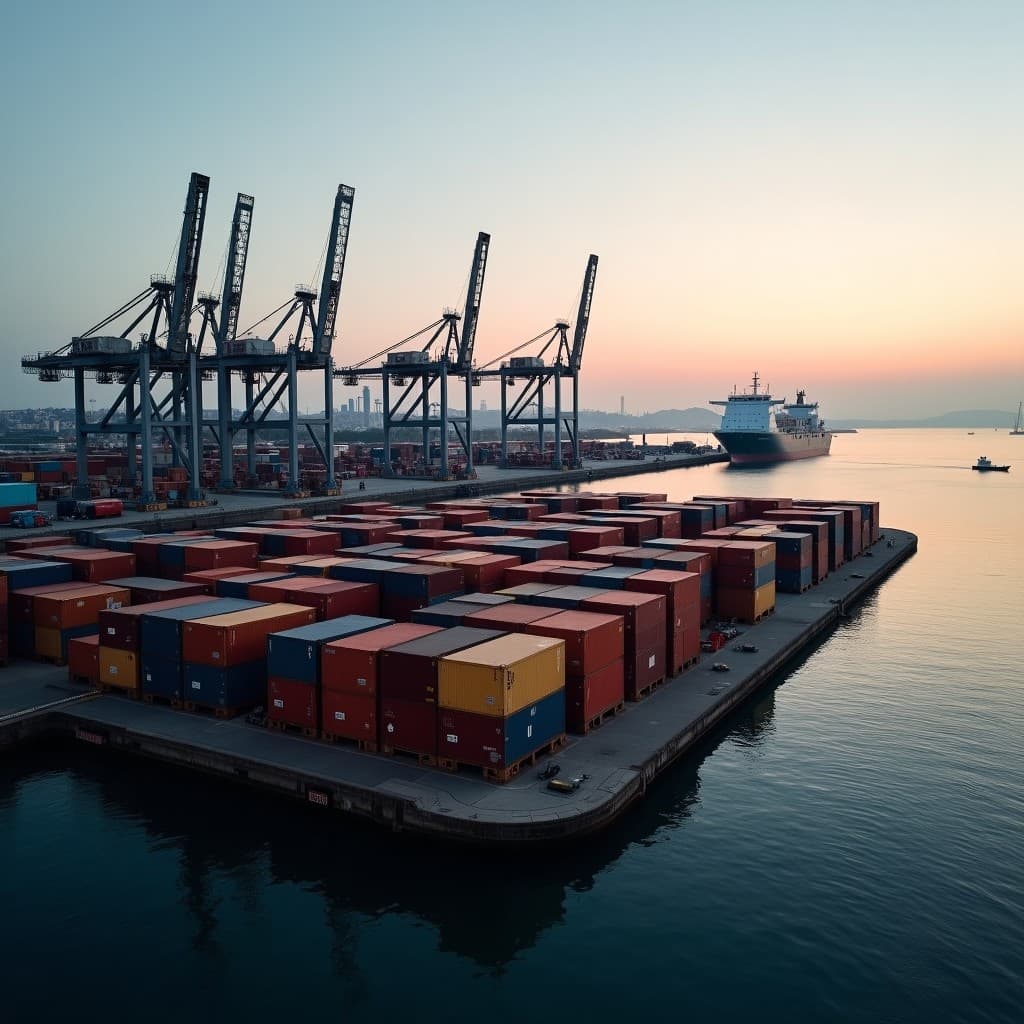
For the Port of Genoa, one of Europe's largest container hubs, the threat translates into immediate cost pressures. Vessels transiting the Red Sea and Suez Canal to reach Mediterranean ports now face higher war-risk insurance premiums. Shipping companies operating from Liguria's waterfront must choose between accepting elevated insurance costs or rerouting cargo around the Cape of Good Hope, a detour that adds weeks to transit times and fuel expenses.
The disruption echoes previous Red Sea tensions that have upended container shipping globally. Genoa's position as a gateway for Asian imports to central Europe means the port absorbs volatility in these distant conflicts. Container lines serving the port have already absorbed cost increases from earlier disruptions; sustained Houthi attacks would force further freight rate adjustments that ripple through supply chains dependent on the port's throughput.
The Houthi threat comes as Mediterranean maritime security remains fragile. Unlike the 2023–2024 attacks that prompted widespread rerouting, this declaration appears more direct and territorial, claiming control over Red Sea passage itself. Seatrade Maritime News noted the group joined Iran in launching strikes on Israel, suggesting coordinated rather than isolated action.
For Genoa, the operational consequence depends on how many shipping lines comply with the threat or how aggressively Houthis enforce it. If attacks resume at scale, the port faces a bifurcation: some cargo will arrive via longer, more expensive routes; other shipments may be diverted to alternative Mediterranean ports or delayed pending resolution. Port throughput, measured in containers and general cargo, would reflect these shifts within weeks.
The European shipping industry has yet to respond with formal guidance, but war-risk underwriters are already pricing the threat. For Liguria's logistics firms, which depend on predictable transit times and stable insurance costs, the uncertainty alone complicates forward contracting. The port's competitive position among Mediterranean hubs rests partly on reliable, cost-effective routing; sustained Red Sea instability erodes both.