
INTERNATIONAL
Houthi threat to Red Sea shipping reaches Italian ports
Genoa braces as Yemen-based group targets Israeli vessels, risking broader disruption to Mediterranean trade
Marina Doria421 wordsEdition №16Monday, 15 June 2026 — Edition № 16
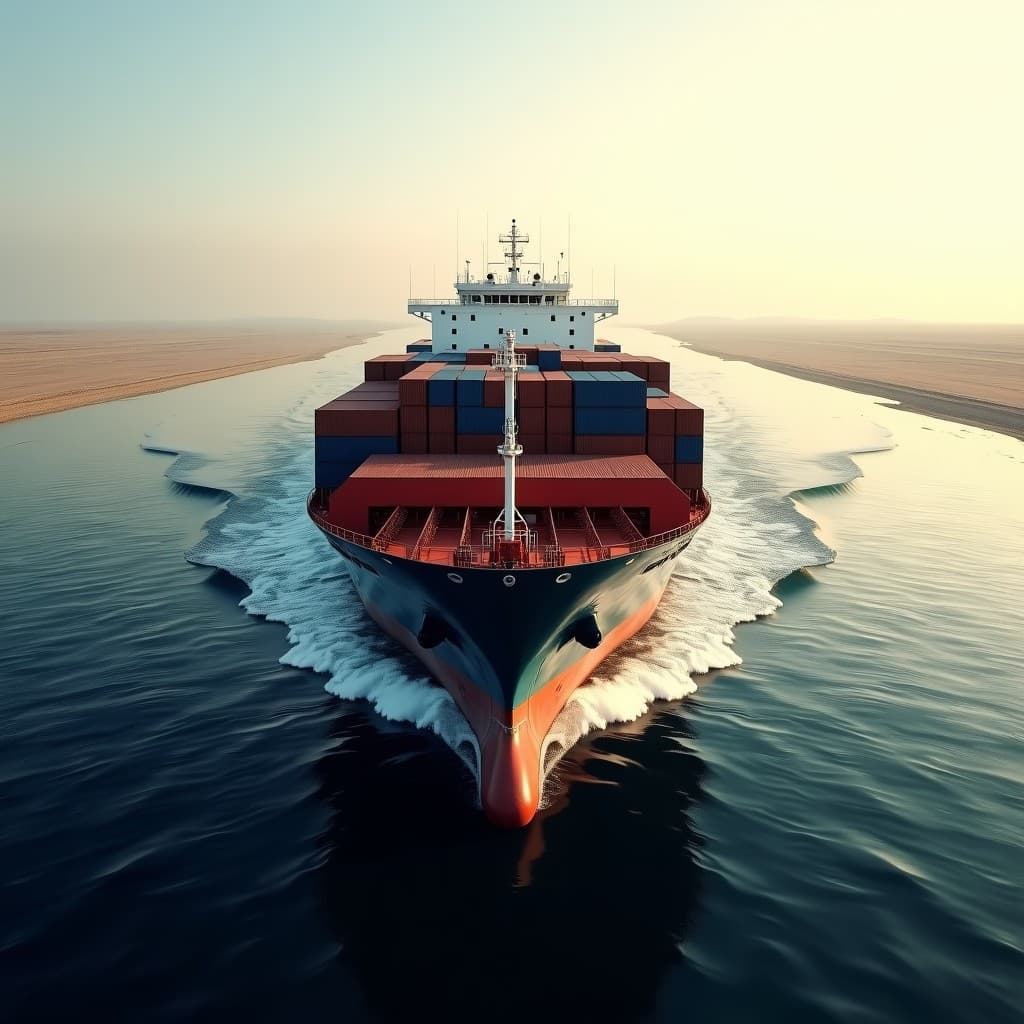
The Houthi movement, aligned with Iran, has declared a complete ban on Israeli maritime navigation in the Red Sea and stated that all Israeli movements would be treated as legitimate military targets, according to Seatrade Maritime News. The announcement follows coordinated strikes between the Yemen-based group and Tehran on Israel, escalating tensions in a region through which a significant share of global container traffic passes en route to European ports.
For Genoa, Europe's largest container port, the threat carries immediate operational weight. The Red Sea and Suez Canal form the shortest shipping corridor between Asia and the Mediterranean; disruption there forces vessels onto longer, costlier routes around the Cape of Good Hope. Container lines already factor risk premiums into Asia-Europe schedules. Any sustained Houthi campaign against shipping—whether targeting Israeli-flagged vessels or broader commercial traffic—would ripple across Genoa's berths, raising transit times and freight costs for the shippers and logistics firms that depend on the port's throughput.
The escalation mirrors earlier Houthi attacks on commercial shipping in the Red Sea dating back to late 2023, when the group began striking at vessels it deemed connected to Israel. Those campaigns disrupted trade flows for months and forced shipping companies to reroute. Mediterranean ports, including Genoa, absorbed the strain through congestion and extended vessel turnaround times. Insurance and security costs for Red Sea transits spiked accordingly.
Genoa's port authority has not yet issued a public statement on the latest threat, but the port's exposure to Red Sea volatility is structural. Roughly 12 percent of the port's annual container throughput originates from or is destined for Asia; a significant portion of that traffic historically transited Suez. Extended rerouting adds two to three weeks to voyage times and increases fuel consumption, costs borne ultimately by shippers and their customers across Europe.
The broader Mediterranean shipping community is watching closely. According to maritime-industry reporting, operators have begun calculating contingency schedules and insurance adjustments in anticipation of potential disruption. Italian shipowners and logistics firms with exposure to Asia-Europe routes are among those reassessing risk protocols. The Port Authority of Genoa, as the Mediterranean's leading container hub, typically coordinates with national authorities and EU agencies on maritime security; any formal escalation of Houthi operations would likely trigger coordination with Italian and European maritime authorities on vessel routing and port readiness.
The Red Sea threat arrives as Genoa continues to absorb infrastructure pressures from record tourism demand and ageing port facilities—strains documented in recent foreign coverage of Italian ports. A sustained diversion of Asia-Europe traffic to longer routes would ease short-term congestion at Genoa's berths but would undercut the port's competitive position in global trade and the customs revenue and logistics employment that depend on high-volume, fast-turnaround Asia-Europe container flows.