
LIGURIA
Italian Riviera braces for peak season with new hotels and dining
Forbes surveys summer openings as the coast prepares for influx of international visitors seeking coastal luxury.
Marina Doria1,289 wordsEdition №6Saturday, 6 June 2026 — Edition № 6
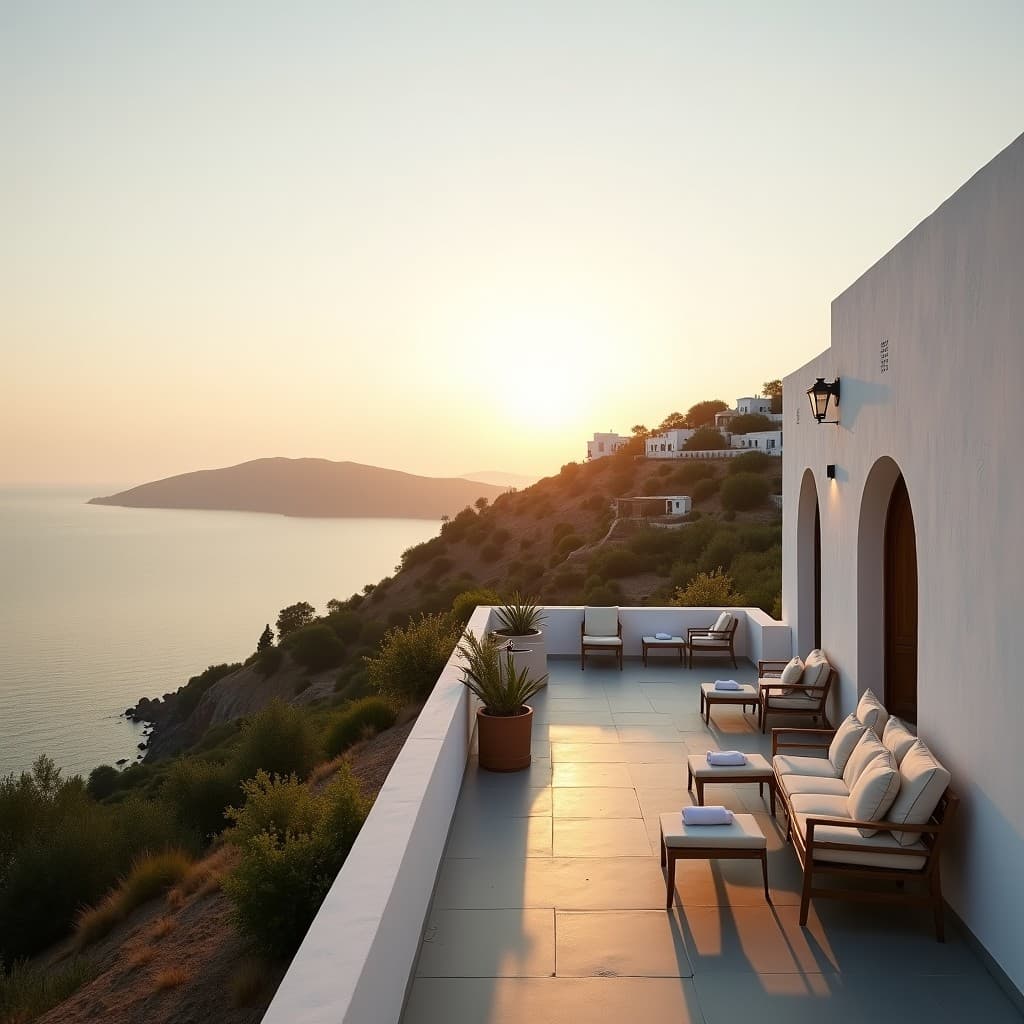
The Italian Riviera is welcoming a wave of new hospitality infrastructure this summer, according to Forbes, which surveyed fresh hotel openings, reimagined villas, beach clubs, and dining venues stretching from the French border to Tuscany. The expansion reflects sustained international appetite for Mediterranean coastal tourism and the region's positioning as a luxury destination for affluent European and North American travellers. For Liguria, the additions represent both opportunity and structural pressure: growth in high-end tourism can sustain employment and tax revenue, but also intensifies strain on coastal infrastructure, water systems, and the fragile balance between preservation and development.
Forbes highlighted the diversity of new offerings: some properties feature restored frescoes and period architecture; others represent contemporary design and wellness-focused amenities. The breadth of the openings—from boutique hotels to concierge-serviced villas—suggests that the market is segmenting by price point and clientele. Luxury operators are betting that demand for curated, personalised coastal experiences will sustain premium pricing even as mass tourism pressures the region.
The timing of these openings coincides with the post-pandemic normalisation of international travel and the recovery of high-net-worth spending on leisure. The Riviera has historically attracted wealthy visitors from across Europe and beyond, but the concentration of new luxury properties signals a deliberate strategy by hospitality groups to capture market share in the affluent segment. This contrasts with the mass-market tourism that has strained Venice, Florence, and Rome in recent years.
The Italian Riviera—the Ligurian coast from Ventimiglia to Portovenere—has long held a place in European leisure geography as a destination for seaside elegance and Mediterranean charm. The region's appeal rests on a combination of mild climate, terraced vineyards, fishing villages, and proximity to the Alps and Central Europe. Unlike Venice or Florence, the Riviera has historically been less subject to mass tourism and more oriented toward affluent, repeat visitors seeking privacy and natural beauty.
Forbes's survey of summer 2026 openings indicates that hospitality operators are doubling down on this positioning. The emphasis on restored architecture, wellness amenities, and personalised concierge services targets travellers willing to pay premium rates for exclusivity and cultural authenticity. This market segment is less price-sensitive than mass tourism and more likely to spend on dining, local experiences, and ancillary services.
For Liguria, the expansion of luxury hospitality carries economic and environmental implications. On the economic side, high-end tourism generates tax revenue, employment in hospitality and service sectors, and demand for local suppliers—wines, olive oil, fresh produce, artisanal goods. The multiplier effect of affluent visitors spending on dining, shopping, and experiences supports small businesses and craftspeople throughout the region. Employment in hospitality also tends to be more stable and better-compensated than seasonal mass-market tourism work.
However, the concentration of new development along the coast raises concerns about environmental sustainability and infrastructure capacity. The Riviera's coastline is geographically constrained—mountains rise steeply from the sea, limiting the footprint available for development. Water supply, wastewater treatment, and waste management are already strained in summer months when the resident population swells with tourists. New hotels and villas increase demand on these systems and on the road and rail infrastructure connecting the coast to inland towns and to France and Central Europe.
The Riviera's topography also makes it vulnerable to flooding and landslides, particularly as climate patterns shift. Heavy rainfall events, increasingly common in the Mediterranean, can overwhelm drainage systems and trigger debris flows in terraced vineyards and steep hillsides. Infrastructure investment in water management, flood defences, and waste systems has not kept pace with tourism growth, and the addition of new hospitality properties without corresponding investment in public infrastructure risks exacerbating these vulnerabilities.
The expansion of luxury tourism also reflects a broader shift in the geography of Mediterranean tourism. Destinations like Barcelona, Venice, and Dubrovnik have experienced backlash against overtourism, with residents and local governments imposing restrictions on visitor numbers and short-term rentals. The Riviera, less densely visited than these iconic destinations, is positioned as an alternative for affluent travellers seeking Mediterranean experience without the crowds. This positioning is attractive to hospitality operators and to local governments seeking tax revenue, but it depends on maintaining the region's character and environmental quality.
The new properties highlighted by Forbes—some with frescoes, others with contemporary design—suggest differentiation within the luxury market. Heritage-focused properties appeal to travellers seeking cultural immersion and historical authenticity; contemporary wellness-oriented hotels target those prioritising spa, fitness, and health services. This segmentation allows operators to capture different segments of the affluent market and to justify premium pricing through distinct value propositions.
The concierge-serviced villa model is particularly significant for the Riviera. These properties offer privacy, space, and personalised service—amenities that appeal to ultra-high-net-worth individuals and families seeking extended stays. Villas can be integrated into the local landscape more subtly than large hotels, and they generate employment for local staff—housekeepers, chefs, groundskeepers—while concentrating spending in the region. However, the villa model also raises questions about land use, property speculation, and the displacement of local residents by foreign property owners.
The dining and beach club additions mentioned in Forbes's survey indicate that hospitality operators are investing in the full visitor experience, not just overnight accommodation. High-end restaurants attract visitors from beyond the hotel's guest base and generate reputation and media coverage. Beach clubs with food and beverage service create all-day destinations and extend the season beyond summer months. These amenities also support local suppliers and create employment in food service and hospitality.
For Liguria's regional government and port authorities, the tourism expansion raises questions about infrastructure investment and coordination. The Port of Genoa handles container and breakbulk cargo, but the Riviera's smaller ports—Portofino, Portovenere, Cinque Terre—are increasingly visited by luxury yachts and cruise passengers. Yacht tourism generates high per-capita spending but also creates pressure on mooring capacity, waste management, and local services. Cruise ship arrivals in smaller ports can overwhelm local infrastructure and create congestion in narrow village streets.
The summer 2026 openings also reflect investment decisions made before the full impact of climate change on Mediterranean tourism became apparent. Rising sea levels, increased water scarcity, and more frequent extreme weather events pose long-term risks to coastal hospitality properties and to the region's attractiveness as a destination. Properties investing in climate resilience—water conservation, renewable energy, flood-resistant design—are positioning themselves for durability, but not all new developments incorporate these measures.
The Riviera's tourism expansion also intersects with broader questions about Italy's demographic decline and regional inequality. The North attracts investment and tourism; the South struggles with emigration and economic stagnation. The concentration of new luxury hospitality in Liguria reflects investor confidence in the region's stability, infrastructure, and market access. This reinforces the North-South divide and raises questions about whether tourism-led growth can be sustained or whether it creates dependency on external demand and leaves the region vulnerable to shifts in international travel patterns.
Looking forward, the success of the new properties will depend on their ability to deliver on promises of exclusivity, service quality, and authentic experience. The Riviera's appeal rests partly on its relative quietness and natural beauty; excessive development or visible infrastructure strain could undermine the very qualities that attract affluent visitors. Local governments and hospitality operators face a balancing act: capturing tourism revenue while preserving the environmental and cultural character that makes the region attractive.