
LIGURIA
Italian Riviera braces for peak season with new hotels and dining
Forbes highlights fresh hospitality offerings along Liguria's coast as summer tourism accelerates
Marina Doria1,289 wordsEdition №3Wednesday, 3 June 2026 — Edition № 3
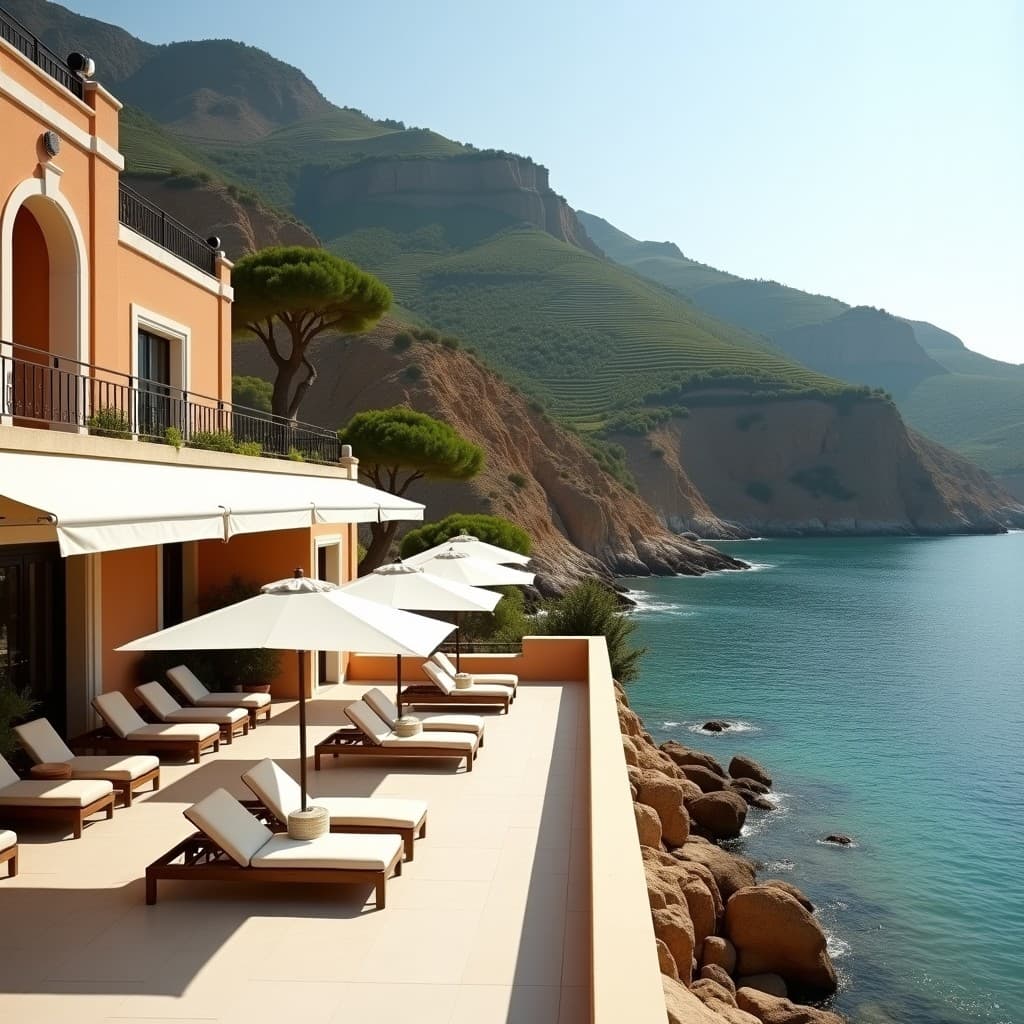
The Italian Riviera is entering its peak summer season with a wave of new hospitality offerings, according to Forbes. The publication highlighted new and reimagined hotels, some featuring restored frescoes, alongside new villas, beach clubs, and dining venues stretching from the French border to Tuscany. The investment signals sustained confidence in Liguria's appeal as a luxury destination, even as the region grapples with the strain of mass tourism on fragile coastal infrastructure.
Forbes' coverage reflects a broader trend: the Riviera remains a magnet for international visitors and hospitality capital. The new properties target affluent travellers seeking both heritage and contemporary comfort—a market segment that has proven resilient through previous economic cycles. For Genoa and the surrounding coast, the influx of summer visitors translates to employment, tax revenue, and pressure on roads, water systems, and waste management.
The timing of these openings coincides with a period of heightened awareness of overtourism in Italy. Venice, Florence, and Rome have all faced international scrutiny over the volume of visitors and the degradation of historic sites. The Riviera, by contrast, has escaped the worst of that criticism, though Cinque Terre and other popular coastal villages have experienced their own crowding challenges. The new hotels and clubs suggest that operators believe the market can absorb more visitors without triggering the same backlash.
The Riviera's appeal rests on a combination of natural beauty, cultural heritage, and proximity to major European markets. The mild Mediterranean climate, the terraced vineyards, and the historic ports create an environment that luxury hospitality operators find attractive. Forbes' focus on new properties with restored frescoes and concierge services indicates that the market is segmenting: ultra-high-end properties are proliferating, while mid-market accommodation faces pressure from online platforms and changing travel patterns.
For Liguria's regional economy, tourism is a critical sector. The region's population of 1.5 million includes a significant elderly demographic, and the birth rate is low; emigration of the young is a persistent challenge. Tourism provides employment and tax revenue that help offset demographic decline. The opening of new hotels and dining venues creates jobs in hospitality, construction, and services—sectors that employ a substantial portion of the regional workforce.
However, the expansion of tourism infrastructure also raises questions about sustainability. The Riviera's coast is narrow and densely built; adding more hotels and beach clubs means more pressure on water supply, waste systems, and road networks. The region has already experienced water shortages during dry summers, and the influx of seasonal visitors exacerbates that stress. Genoa's port authority and regional planners have long grappled with the tension between economic growth and environmental limits.
The Forbes article does not address these constraints, which is typical of travel media focused on consumer experience rather than infrastructure capacity. But for a bureau filing from Genoa, the question is unavoidable: how much more tourism can the Riviera absorb before the experience degrades for both visitors and residents? The opening of new properties suggests that operators believe the answer is: considerably more. But that belief may not align with the physical reality of a narrow, mountainous coast with limited water and waste capacity.
Cinque Terre offers a cautionary precedent. The five villages, a UNESCO World Heritage site, became so crowded that local authorities began restricting visitor numbers and charging entry fees. The measures were controversial but necessary to preserve the site. The broader Riviera has not yet reached that point, but the trajectory is clear: more visitors, more infrastructure, more pressure on natural systems.
The new hotels and clubs also reflect a shift in travel preferences. Forbes highlighted that the new properties include concierge services and dining options, suggesting that visitors are seeking curated experiences and convenience. This trend favours larger, well-capitalized operators and may disadvantage small family-run hotels and guesthouses that have historically dominated the Riviera. The result is a gradual consolidation of the hospitality market and a homogenization of the visitor experience.
For Genoa specifically, the summer tourism surge has indirect effects. Visitors arriving on the Riviera often transit through Genoa's airport and port, and many spend time in the city before or after beach stays. The city's waterfront has been revitalized in recent years, with new museums, restaurants, and public spaces designed to attract tourists. The opening of new hotels along the coast should increase foot traffic and spending in Genoa as well.
The timing of Forbes' coverage—early June, as summer travel plans crystallize—is strategic. The publication is signalling to affluent readers that the Riviera is a destination worth considering, and that new properties offer fresh reasons to visit. This kind of media coverage drives bookings and shapes travel decisions. For Liguria's tourism board and hospitality operators, such visibility is invaluable.
The article's emphasis on new and reimagined properties also suggests that the market is competitive. Operators are investing in renovation and new construction to differentiate themselves and attract visitors. This competition benefits consumers, who have more choices, but it also means that older, smaller properties face pressure to upgrade or close. The result is a gradual shift toward larger, more modern, more expensive accommodations.
Looking ahead, the summer season will test the capacity of the Riviera's infrastructure. If the new hotels and clubs fill to capacity, the region will experience significant congestion on roads, in restaurants, and at beaches. Local authorities will need to manage traffic, waste, and water supply carefully. The experience of visitors—and the satisfaction they report—will depend on how well those systems function under peak load.
For a bureau chief filing from Genoa, the story of the Riviera's summer season is ultimately about the tension between economic growth and environmental limits. The new hotels represent confidence in the market and investment in the region's future. But they also represent a bet that the coast can sustain more visitors without degrading the very qualities that make it attractive. That bet will be tested this summer, and the results will shape planning decisions for years to come.
The Forbes article captures only the optimistic side of that story: the new properties, the dining options, the appeal to affluent travellers. The harder questions—about water, waste, congestion, and the long-term sustainability of growth—remain largely unaddressed in travel media. But they are the questions that matter most for a region trying to balance prosperity with preservation.