
LIGURIA
Italian Riviera braces for peak season with wave of new hotels and dining
Forbes surveys summer 2026 openings as coastal tourism rebounds; Liguria's hospitality sector eyes recovery after years of pandemic disruption.
Marina Doria1,247 wordsEdition №4Thursday, 4 June 2026 — Edition № 4
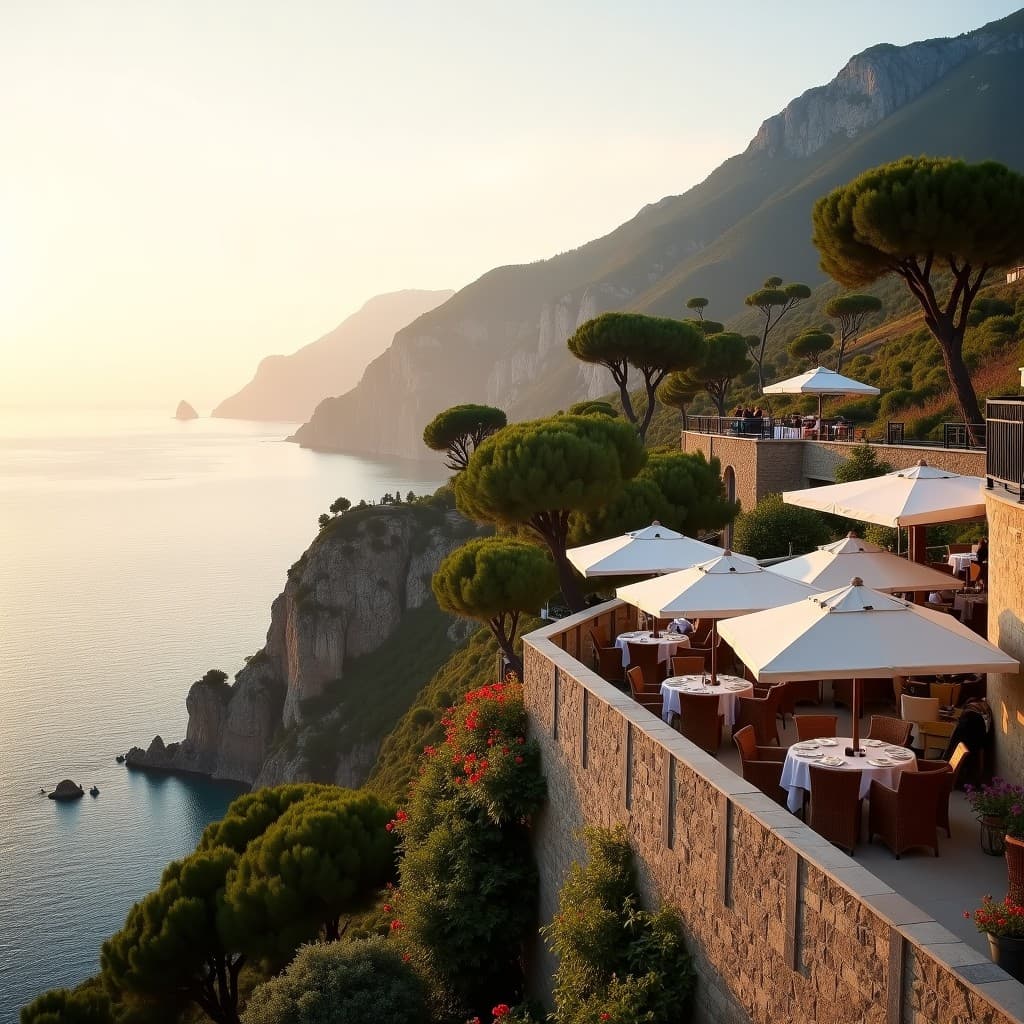
The Italian Riviera is entering its peak summer season with a slate of new and reimagined hotels, villas and dining establishments, according to Forbes. The stretch of coast from the French border to Tuscany has attracted fresh investment in hospitality infrastructure, with properties featuring restored frescoes, concierge services and upgraded beach facilities now welcoming visitors.
For Liguria's tourism economy, the timing reflects a broader recovery in Mediterranean travel after years of disruption. The region's hospitality sector has long depended on the Riviera's reputation as a fabled coastal destination, and the wave of new openings signals confidence among investors in sustained demand from international visitors.
The new venues represent a shift in how the Riviera markets itself to wealthy travellers. Rather than relying on heritage alone, the region is now competing on the basis of contemporary amenities and curated experiences, a strategy that reflects changing expectations among the foreign tourists who drive the region's economy.
Forbes' survey of summer 2026 openings underscores the scale of investment now flowing into Liguria's hospitality sector. The magazine highlights properties across the Riviera that have undergone significant renovation or opened for the first time, each positioning itself within the luxury market segment. This concentration of new supply arriving in a single season is unusual for the region, which has historically relied on established properties and word-of-mouth reputation.
The economic backdrop to these openings is significant. Liguria's tourism industry contributes substantially to regional GDP and employment, particularly in the coastal municipalities where hotels, restaurants and related services form the backbone of the local economy. The investment cycle evident in Forbes' reporting suggests that international hospitality operators and investors believe the region's appeal to high-spending visitors remains robust.
The Riviera's appeal to foreign travellers is well documented in international travel media. The combination of Mediterranean climate, terraced vineyards, coastal scenery and proximity to cultural attractions has made the region a staple of luxury travel coverage for decades. What has changed is the competitive landscape: as other Mediterranean destinations upgrade their infrastructure and amenities, the Riviera must continually refresh its offering to retain market share.
The focus on new hotels with restored frescoes and enhanced dining reflects a particular strategy: positioning the Riviera not merely as a beach destination but as a cultural and gastronomic experience. This approach aligns with broader trends in international luxury travel, where experiential offerings and authentic local elements command premium pricing.
For Genoa and the broader Liguria region, tourism represents a significant economic lever. While the Port of Genoa dominates regional infrastructure investment and employment, the Riviera's hospitality sector provides crucial employment in smaller coastal towns and villages. The seasonal nature of tourism means that summer openings and closures have outsized importance for local labour markets.
The timing of these openings also reflects broader European travel patterns. International travel to Italy has rebounded strongly in recent years, with foreign visitors returning to pre-pandemic levels and in some cases exceeding them. The Riviera, as one of Italy's most recognisable coastal regions, has benefited from this rebound, and new hotel supply is a natural response to sustained demand.
However, the expansion of luxury hospitality infrastructure raises questions about sustainability and carrying capacity. The Riviera is a geographically constrained region, with steep terrain limiting development and a delicate ecosystem that supports both tourism and traditional economic activities. International travel media has increasingly scrutinised the environmental and social costs of mass tourism in Mediterranean destinations, and Liguria is not exempt from this scrutiny.
The new venues opening this summer will compete not only with established Riviera properties but with other Mediterranean destinations across southern France, Spain and Greece. Forbes' coverage suggests that the Italian Riviera's competitive positioning rests on a combination of heritage, natural beauty and now, upgraded amenities. Whether this investment cycle sustains demand or merely redistributes it among new properties remains to be seen.
For the regional economy, the success of these new openings will depend on their ability to attract and retain international visitors at premium price points. The hospitality sector's performance also has indirect effects: increased tourism drives demand for transport services, food and beverage suppliers, and retail establishments, creating employment multipliers across the regional economy.
The investment in new hospitality infrastructure also signals confidence in the region's political and economic stability. International hotel operators and investors conduct extensive due diligence before committing capital to new properties, and the scale of investment evident in Forbes' reporting suggests that international capital views Liguria as a stable, attractive market for luxury hospitality.
Looking forward, the success of this summer's openings will likely influence future investment decisions. If the new properties attract strong occupancy rates and positive reviews from international guests, further investment may follow. Conversely, if demand proves weaker than anticipated, the region's hospitality sector may face a period of consolidation.
The Riviera's evolution as a tourism destination reflects broader changes in how Italy markets itself to the world. Rather than relying solely on historical and cultural heritage, the country is increasingly competing on the basis of contemporary amenities, culinary excellence and curated experiences. The new hotels and dining establishments opening this summer are part of this broader repositioning.