
LIGURIA
Italian Riviera braces for peak season with new luxury offerings
Forbes surveys fresh hotels and dining as coastal tourism rebounds; infrastructure strain persists
Marina Doria1,247 wordsEdition №5Friday, 5 June 2026 — Edition № 5
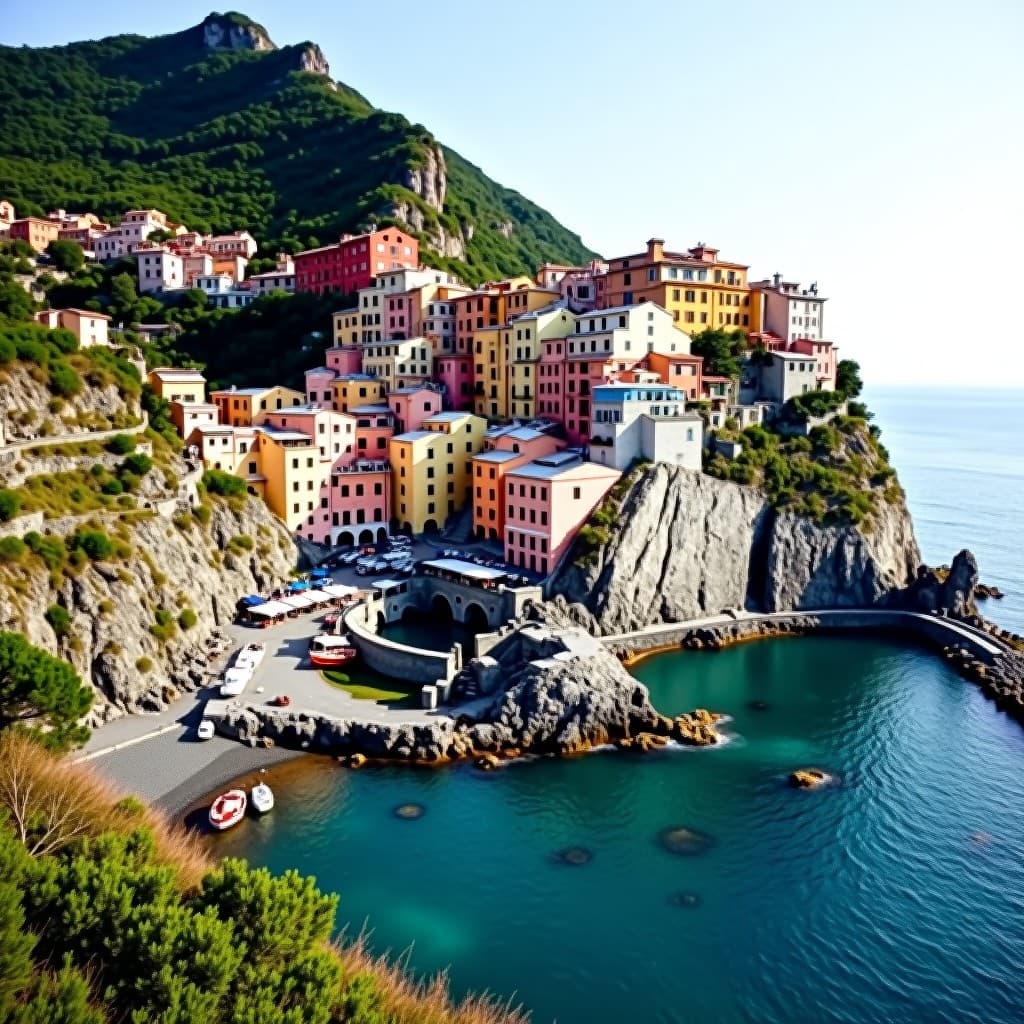
The Italian Riviera is welcoming a wave of new hospitality infrastructure this summer, Forbes reported on June 1, with fresh hotels, reimagined villas and upscale dining options opening along the coast from the French border to Tuscany. The additions reflect strong international demand for the region's beaches and villages, part of a broader recovery in Mediterranean tourism following the pandemic years.
The openings come as Liguria faces a familiar tension: rising visitor numbers collide with infrastructure built for a different era. The region's ports, roads and utilities were designed when mass tourism was a fraction of today's scale. Genoa's port authority has long warned that the Riviera's success as a destination depends on upgrading the transport links that carry both cargo and tourists through the narrow coastal strip.
Forbes highlighted new hotels with period frescoes, concierge-serviced villas and beach clubs catering to high-end travellers, signalling that the region is competing for affluent visitors rather than volume. Yet the magazine's focus on luxury amenities masks a harder question: whether the coast's fragile infrastructure—roads prone to flooding, aging water systems, limited rail capacity—can sustain the seasonal surges without degradation.
The Riviera's appeal to international visitors is rooted in centuries of maritime and mercantile heritage. Genoa itself was a republic of traders and seafarers; the coast that stretches east toward Cinque Terre and west toward the French Côte d'Azur carries that legacy in its terraced vineyards, fishing villages and clifftop towns. Forbes's coverage reflects how the world sees this region: as a destination of aesthetic and culinary distinction, not as a working coast where container ships and oil tankers share waters with pleasure yachts.
The new hotels and villas Forbes described are part of a deliberate repositioning. Rather than compete with mass-market beach resorts, the Riviera's tourism strategy has shifted toward high-value visitors who spend more per night and place less strain on basic infrastructure. This is a rational response to capacity limits: the region cannot absorb unlimited visitor growth without crisis.
Yet the strategy depends on reliable access. International travellers expect roads that do not flood, rail services that run on time, and ports that function smoothly. Liguria's infrastructure record is mixed. The Morandi bridge collapse in 2018—a motorway viaduct that killed 43 people—exposed the cost of deferred maintenance and weak oversight. The replacement bridge, completed in 2020, was hailed as a symbol of recovery. But the broader network remains ageing.
The Riviera's summer season is already strained. Cinque Terre, the UNESCO-listed cluster of five villages perched on the Ligurian coast, has become so crowded that authorities have imposed visitor caps and timed-entry systems. Venice, further east, faces similar pressures; the AP reported in late May that the city's flamingo population is recovering in the lagoon's wetlands, a sign of ecological resilience, but the broader ecosystem is stressed by mass tourism and climate change.
Genoa's port authority has made clear that tourism and cargo logistics are not separate issues. The port moves roughly 2.7 million containers annually and handles significant cruise traffic. When roads are congested or rail capacity is saturated, both suffer. A truck carrying goods from the port to Milan or Turin competes for road space with coaches full of tourists heading to the Riviera.
Forbes's article does not address these constraints. Its focus is on what travellers will find—new hotels, dining, experiences—not on the infrastructure that makes those experiences possible. This is typical of travel media: it reports demand and supply, not the harder questions of capacity and sustainability.
The foreign press has increasingly noted Italy's struggle with tourism pressure. The Guardian, the BBC and other outlets have covered Venice's crisis repeatedly: overtourism, flooding, the exodus of residents. The Riviera has not yet reached Venice's breaking point, but the trajectory is visible. Genoa's waterfront has been transformed in recent years—the Porto Antico, or old harbour, is now a cultural and leisure destination—but the transformation has also made the city a tourist draw, adding to congestion.
Climate stress compounds the challenge. The Mediterranean coast is warming faster than the global average. Liguria experiences intense rainfall events that cause flooding and landslides. In 2023, heavy rain triggered a disaster in the Piedmont region, just inland from Genoa, killing dozens. The Riviera's narrow coastal strip is vulnerable to both sea-level rise and mountain runoff. New hotels are being built in a region where water management is already precarious.
The regional government in Genoa has invested in flood defences and drainage upgrades, but the pace of climate change is outrunning infrastructure investment. A new hotel on the coast is an asset; a new flood barrier is less visible but equally essential. Forbes does not measure this trade-off, but it shapes the region's future.
International tourism is vital to Liguria's economy. The region has lost manufacturing jobs over decades; agriculture is marginal; the port sustains logistics and shipping, but tourism is a major employer and revenue source. The new hotels Forbes described represent confidence in the market and jobs for construction workers, hospitality staff and service providers. The economic case for tourism is strong.
But the infrastructure case is weaker. The roads, rails, water systems and waste management that tourism depends on are not keeping pace. Genoa's port authority, the regional government and the national transport ministry all acknowledge the gap. Yet funding is limited, and political will is divided between competing priorities: the North wants investment in infrastructure to support trade and tourism; Rome has different spending priorities.
The summer season will test the system. Forbes's article will drive bookings; international travellers will arrive expecting the experience the magazine promised. Whether the Riviera's infrastructure can deliver that experience without breaking down is a question the travel press does not ask.