
REGIONAL
Romagna carves separate identity as Sangiovese and Albana gain ground
Eastern Emilia-Romagna's wine districts chart distinct course as international buyers seek regional distinction beyond the broader label
Elena Marcheggiani478 wordsEdition №24Tuesday, 23 June 2026 — Edition № 24
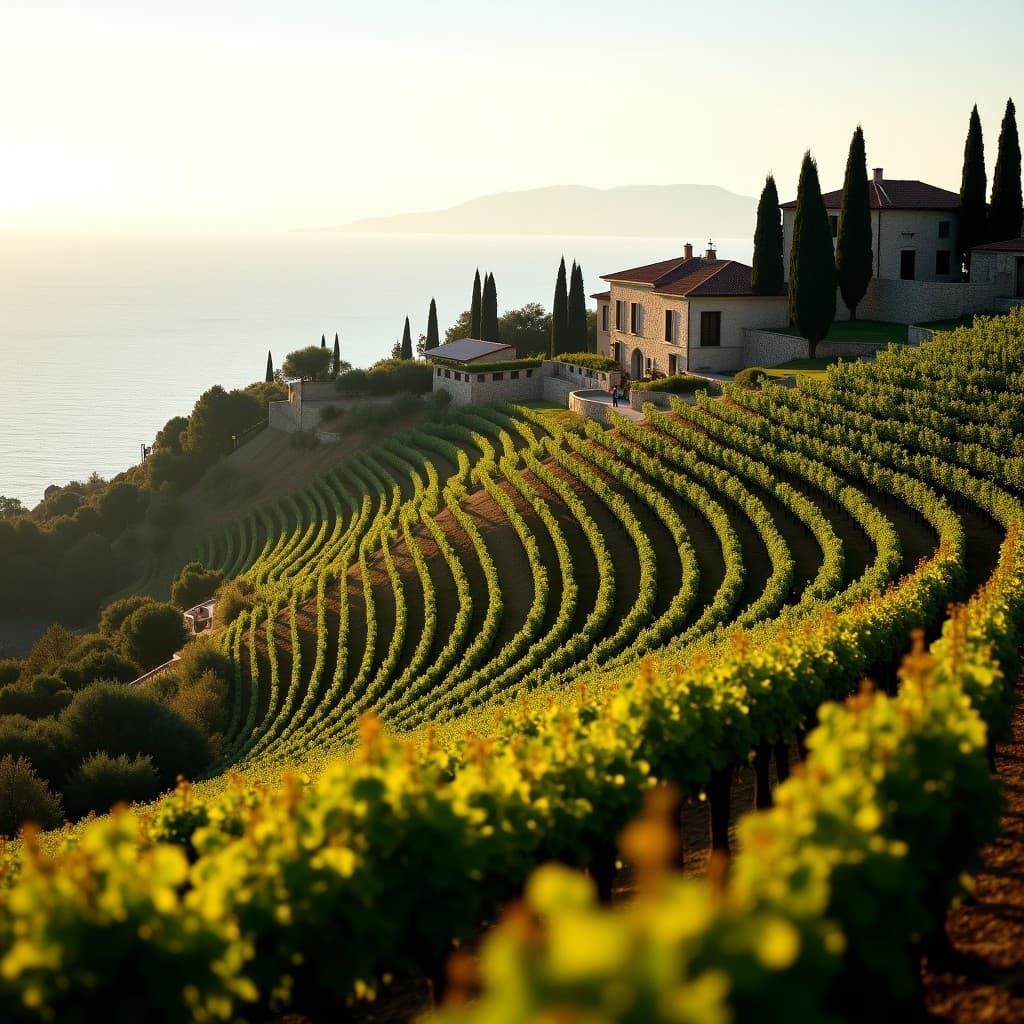
According to Forbes, Romagna, the eastern portion of Emilia-Romagna, is carving out its own separate identity in the international wine market, with Sangiovese di Romagna and Albana di Romagna leading the charge. The two wines are described as jewels in the crown of Romagna's wine heritage, signalling a deliberate repositioning of the region as a distinct producer rather than a subsidiary of the broader Emilia-Romagna label.
The move reflects a wider pattern in Italy's wine districts: as global wine tourism expands and buyers seek specificity, regional subdivisions within larger administrative areas are staking claims to their own terroir and commercial identity. For Romagna—a region whose economy has long rested on manufacturing clusters in ceramics, machinery and textiles alongside agriculture—the wine sector offers both a heritage anchor and a diversification opportunity as international palates grow more granular in their preferences.
The Adriatic coast and its hinterland have historically been secondary to Tuscany and Piedmont in foreign wine coverage, but the emphasis on Romagna's own two flagship designations suggests that international buyers and critics are now willing to parse the Emilia-Romagna region into its constituent parts. This distinction, if sustained in export markets, could reshape how the broader central-northern Adriatic economy positions itself internationally—moving from a generic 'made in Italy' label toward a more precise regional claim.
The timing of Romagna's push for separate identity comes as global wine tourism is poised to expand significantly. According to earlier coverage tracked by La Veduta, wine tourism globally is forecast to triple by 2033, with regions like Veneto already capitalizing on export momentum. Romagna's effort to establish Sangiovese di Romagna and Albana di Romagna as distinct international offerings positions the region to capture a share of that growth.
For the Marche bureau, the Romagna move carries indirect bearing on the broader Adriatic economy. While Marche's own wine production—Verdicchio and Rosso Conero—operates under different designations, both regions compete for the same pool of international wine tourists and export buyers. The success of Romagna's repositioning may signal whether smaller European wine districts can effectively differentiate themselves in a crowded global market, or whether scale and established reputation remain decisive. It also underscores how Italy's dispersed small-firm model, which has long defined manufacturing districts across the Marche and central Italy, is now extending into heritage sectors like wine—where craft, place and story are increasingly the commodity itself.