
CULTURA
Imperial villa emerges from illegal excavation west of Rome
Ministry of Culture recovers splendid Roman-era site as looting exposes archaeological vulnerability
Eleonora Vanzetti310 wordsEdition №23Monday, 22 June 2026 — Edition № 23
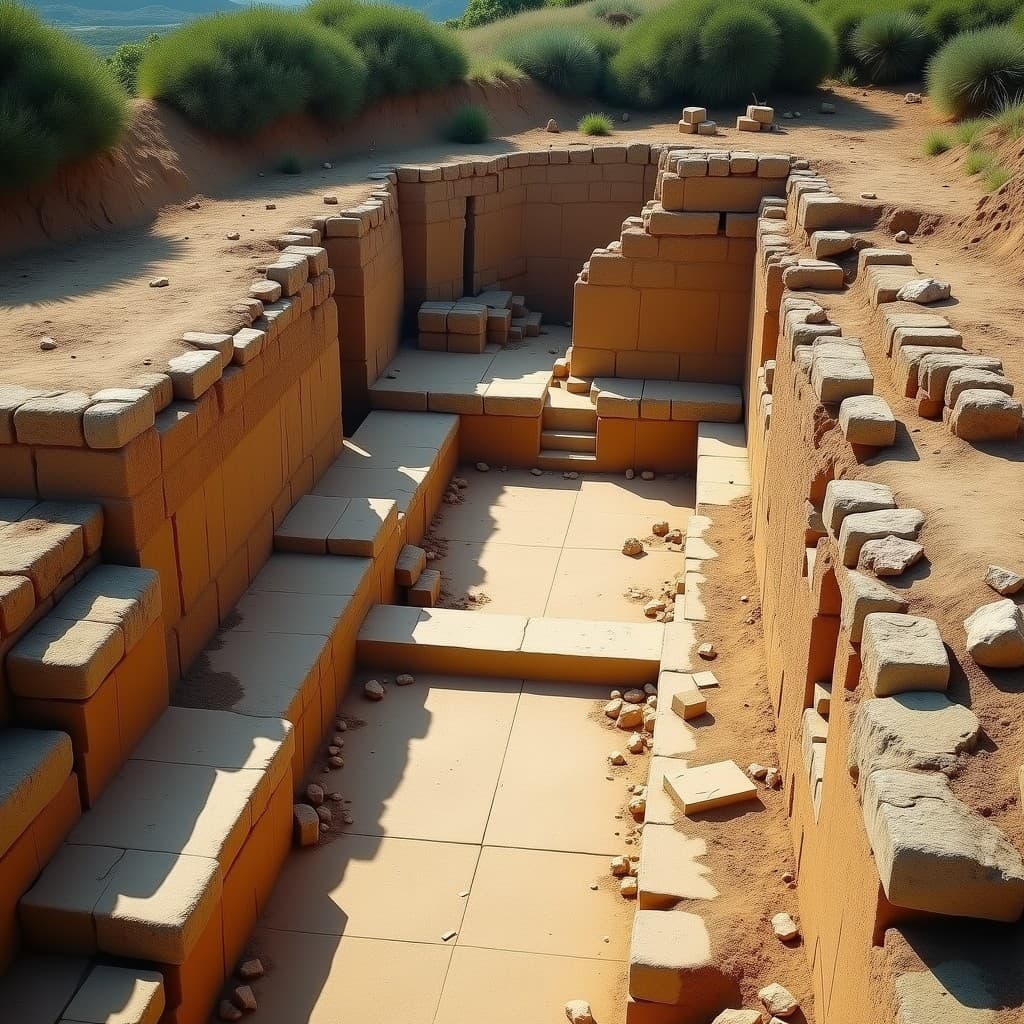
An Imperial-era villa of considerable significance has been uncovered at Castel di Guido, approximately 13 miles west of Rome, following what Artnet News describes as a 'clandestine' excavation by criminals. The discovery emerged not through planned archaeological work but through the intervention of Ministry of Culture officials, who moved swiftly to secure the site. The villa's apparent richness — Artnet characterised it as 'splendid' — appears to have attracted looters, a pattern that underscores the vulnerability of archaeological sites across the Lazio region.
The recovery operation highlights the tension between heritage preservation and the pressures that drive looting in areas where archaeological density is high but resources for protection are stretched. Castel di Guido's location on state-owned land did not prevent criminal excavation, suggesting that formal ownership alone offers insufficient safeguard. The Ministry of Culture's collaboration with local authorities in response represents a reactive rather than preventive approach — a dynamic that has characterised archaeological conservation across Italy for decades.
For the Cultura bureau, the incident illustrates the material stakes of Italy's archaeological abundance. The country's density of Imperial and pre-Imperial sites creates both cultural capital and a target for organised looting networks that feed both black-market antiquities trade and casual theft. The villa at Castel di Guido, now in state hands following the intervention, joins thousands of other sites where conservation competes with resource constraints and criminal activity.
Artnet's reporting emphasised the site's Imperial date and architectural significance, framing its recovery as a cultural salvage operation. The recovery protocol — Ministry intervention, collaboration with local authorities — reflects established procedures for threatened sites, yet the fact of the criminal excavation itself suggests these mechanisms engage only after damage has occurred. The villa's fate now depends on the Ministry's capacity for documentation, restoration and long-term stewardship, questions that extend beyond this single site to the broader challenge of managing Italy's archaeological inheritance.