
CULTURA
Imperial Roman villa emerges from clandestine dig near Rome
Ministry of Culture seizes site after looters unearth splendid ancient estate west of capital
Eleonora Vanzetti340 wordsEdition №18Wednesday, 17 June 2026 — Edition № 18
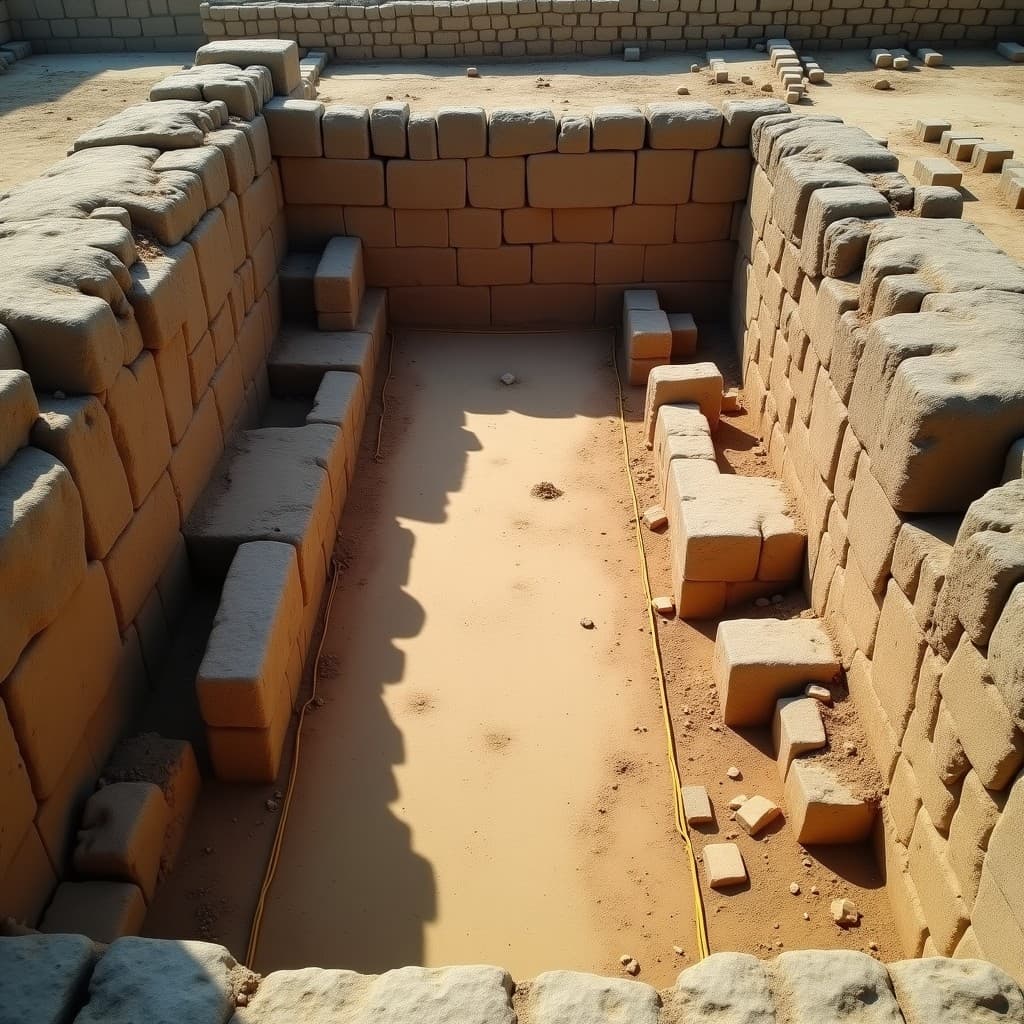
A Roman villa of the Imperial period has been uncovered at Castel di Guido, approximately 13 miles west of Rome, following clandestine excavation by looters. According to Artnet News, the Italian Ministry of Culture, in collaboration with local authorities, moved to secure the site after the illegal digging exposed the structure. The villa's emergence underscores both the archaeological richness of the Roman countryside near the capital and the persistent threat posed by tomb raiders and black-market antiquities networks.
The discovery at Castel di Guido, a government-owned property, illustrates how criminal activity can inadvertently expose significant cultural heritage. The site's rich Imperial history appears to have attracted looters seeking portable valuables, a pattern that has long plagued Italian archaeological zones. The Ministry's swift intervention reflects the state's ongoing effort to protect and document such finds before they can be dispersed into the international antiquities trade.
Illegal excavation of archaeological sites remains a persistent challenge across Italy, particularly in regions surrounding Rome where the density of Imperial-era remains is high. The Castel di Guido discovery joins a long history of looted villas and estates in the Roman hinterland, many of which were stripped of portable artifacts before authorities could intervene. The Ministry of Culture's response—securing the site and initiating proper documentation—represents standard protocol, yet the scale of such losses nationally remains significant.
For Italy's cultural institutions, such discoveries present both opportunity and urgency. While the villa's emergence offers new archaeological knowledge, the circumstances of its exposure highlight gaps in site protection and the speed at which organized looting can destroy contextual information essential to understanding ancient structures. The incident reinforces the case for increased resources devoted to monitoring and securing known and suspected archaeological zones, particularly those on government land where state oversight should theoretically be strongest.