
CULTURA
Imperial villa surfaces at Castel di Guido after illegal dig
Looting uncovers Roman-era site west of Rome; Ministry of Culture launches recovery effort
Eleonora Vanzetti287 wordsEdition №21Saturday, 20 June 2026 — Edition № 21
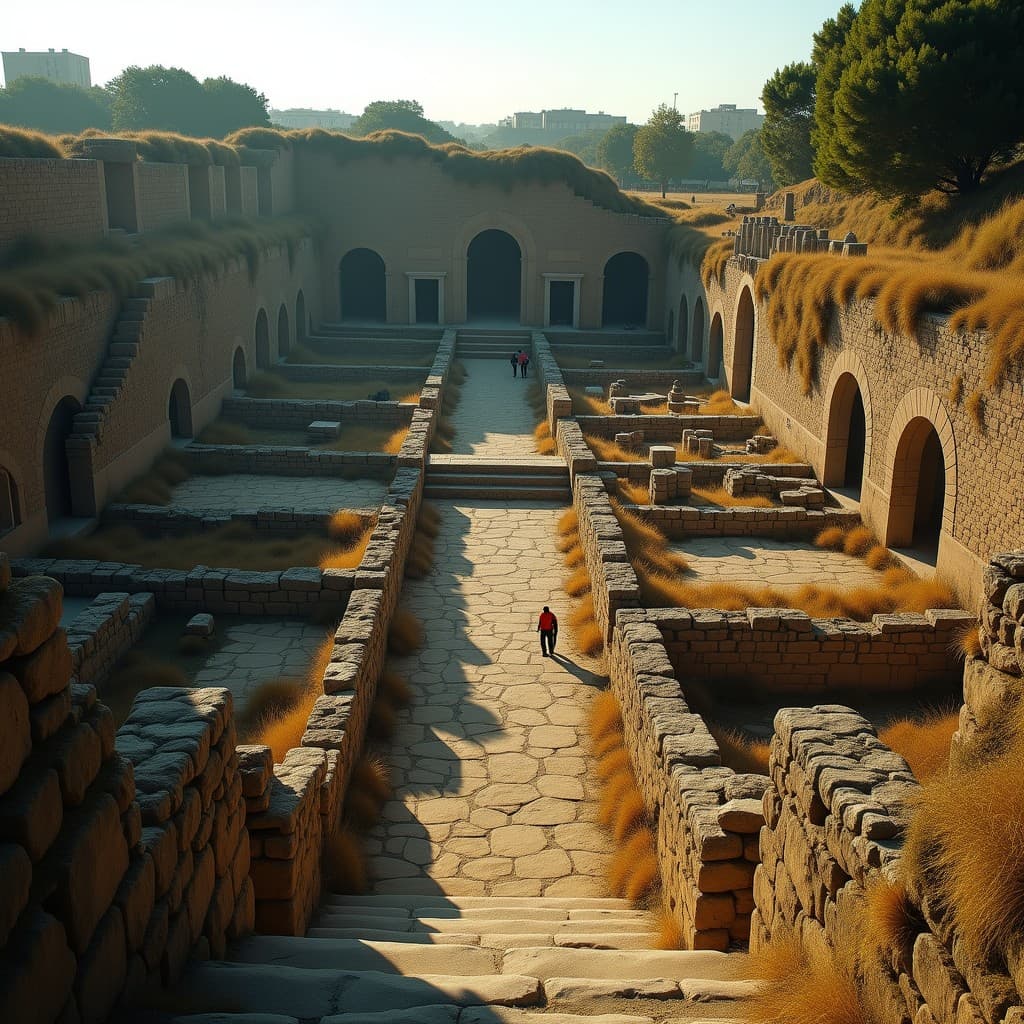
A magnificent villa dating to the height of the Roman Empire has surfaced at Castel di Guido, approximately 13 miles west of Rome, following what Artnet News described as a criminal excavation. The discovery came to light when the Italian Ministry of Culture, working with local authorities, moved to halt the illegal digging and secure the site. The intervention marks another chapter in the ongoing struggle to protect Italy's archaeological patrimony from looting.
The villa's emergence through criminal means underscores the persistent threat posed by treasure hunters to Italy's buried heritage. Castel di Guido, government-owned land, has evidently attracted looters drawn to its rich Roman history. The speed of the Ministry's response—moving to secure and document the site—reflects the urgency with which Italian cultural authorities now treat such discoveries once they surface, whether through legal means or theft.
The recovery and study of the villa now falls to official archaeologists and conservators, a common pattern when looted sites are reclaimed. Such finds, though damaged by hasty excavation, often yield insights into domestic life, artistic taste and economic networks during Rome's imperial period. The villa's architectural and artistic contents—if preserved—may yet contribute to scholarship on regional settlement patterns and elite culture in the hinterland of the capital.
For Italy's cultural economy, such losses carry weight beyond the academic. Looted sites cannot be fully excavated, documented or exhibited; they are fragmented, their context destroyed. The discovery at Castel di Guido, recovered mid-theft, at least offers the chance for proper study and potential future presentation to the public—a small mercy in the larger war against archaeological crime that continues to drain Italy's underground heritage.