
SARDEGNA
Rome's border system crisis may reshape travel across Italian islands
Peak-season collapse at main gateway could redirect tourist flows and strain island infrastructure
Gavino Sanna456 wordsEdition №27Friday, 26 June 2026 — Edition № 27
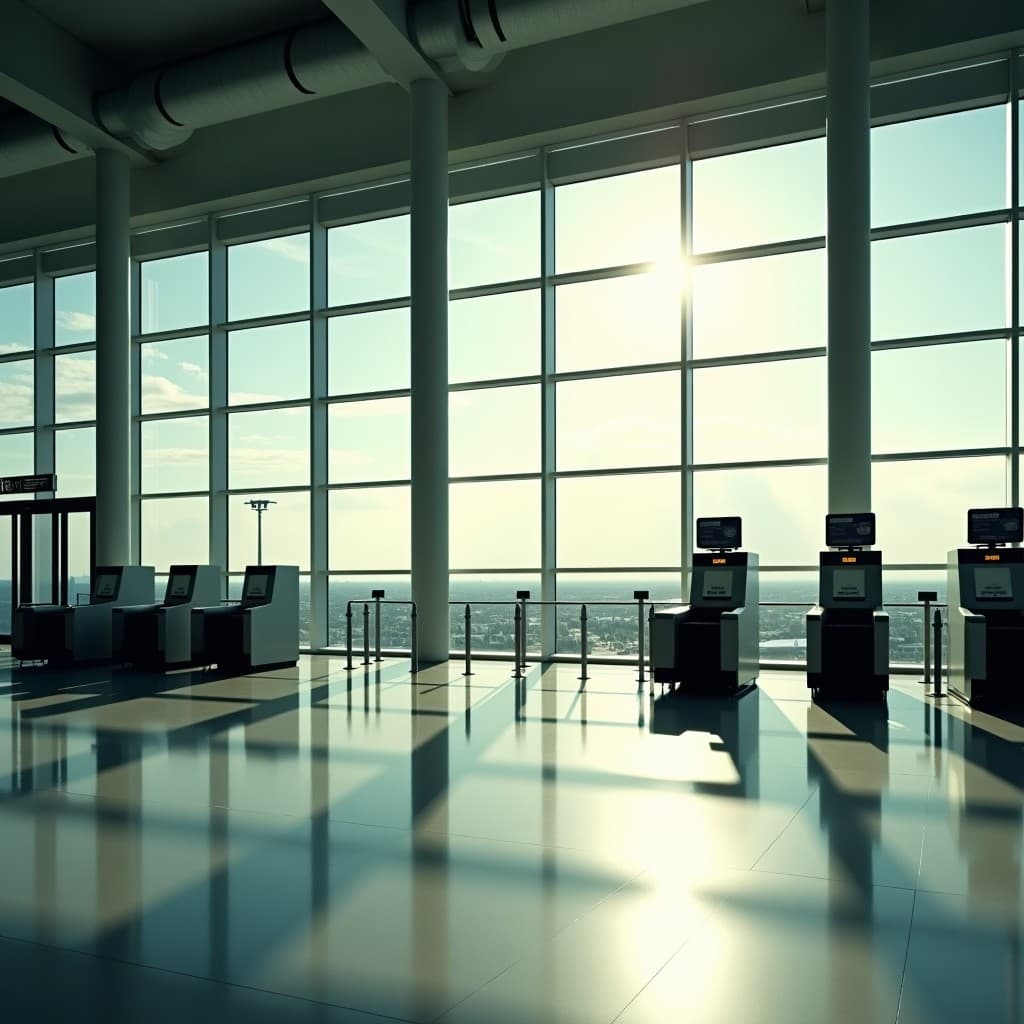
Rome's Fiumicino and Ciampino airports are threatening to halt the new EU Entry-Exit System (EES) during peak summer months to avoid what their operator calls a travel 'disaster'. The Guardian reported Thursday that the airports' CEO said suspending the biometric border checks for non-EU citizens would be the only way to prevent chaos during the peak tourism season. The Local Italy added that Rome's airport operator expressed deep concern about the system's capacity to process the volume of summer visitors expected across Italy's main international gateway.
The crisis at Rome's airports holds particular significance for Sardinia, which lacks a major international hub and depends on connecting flights through mainland gateways. If Rome's Fiumicino—Italy's largest airport and the primary entry point for non-EU tourists—suspends border processing, the ripple effects will reach the island. Some international visitors may be redirected toward alternative routes; others may delay or cancel travel altogether. For Sardinia's tourism economy, which has already weathered earlier seasonal disruptions from the heatwave, the prospect of reduced or unpredictable visitor flows adds another layer of uncertainty.
The EES system, introduced across the EU to replace paper passport stamps with digital biometric records, was designed to strengthen border security and streamline processing. However, the system's implementation has collided with the volume of summer travel across Europe's busiest airports. The Guardian's reporting makes clear that Rome's airports face a choice between operational collapse and regulatory suspension—a dilemma that reflects the gap between the EU's border ambitions and the infrastructure available to execute them at scale.
For Sardinia, the airport crisis compounds existing tourism vulnerabilities. The island's main airport, Cagliari-Elmas, serves as the primary international gateway for the region, but it is smaller and handles fewer intercontinental flights than Rome. If Rome's suspension of border checks leads to flight diversions or passenger rerouting through alternative European hubs—Barcelona, Milan, or southern France—Sardinia could see reduced visitor numbers at a moment when the summer season is already stressed by heat, transport disruptions, and infrastructure strain. Conversely, if Rome's suspension creates bottlenecks that make Rome less attractive to visitors, some tourists may indeed seek alternative Mediterranean destinations, potentially including Sardinia.
The broader implication is one of systemic fragility in Italy's tourism infrastructure. The heatwave, the border system collapse, and earlier transport strikes have exposed the thinness of resilience across the sector. Sardinia, as a peripheral island destination dependent on reliable international access and mainland connections, faces particular exposure to these cascading disruptions. The island's tourism economy—concentrated in the coastal resorts and increasingly in boutique heritage offerings—has little margin for absorbing further visitor loss or uncertainty about arrival logistics.