
ESTERO
Rome airports threaten to suspend EU border checks to avert summer travel collapse
Fiumicino and Ciampino warn new biometric system could create chaos during peak tourism season
Adriana Sole314 wordsEdition №27Friday, 26 June 2026 — Edition № 27
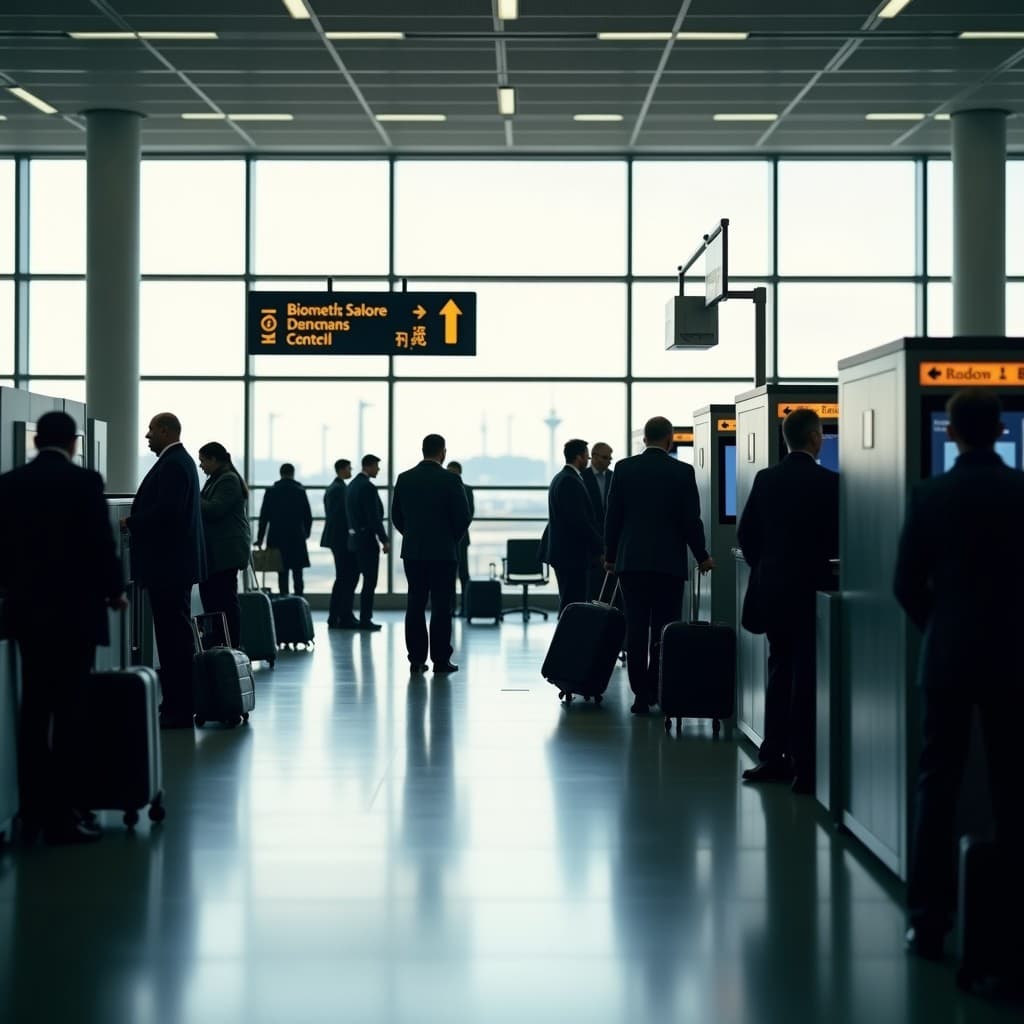
Rome's Fiumicino and Ciampino airports have warned they may suspend the EU's new Entry-Exit System (EES)—a biometric border-control regime introduced this year—to avoid what the airports' management called a "disaster" during peak summer months. The Guardian reported on Thursday that the head of the company managing both airports said suspending the system for non-EU citizens was the only viable option to prevent severe congestion and travel delays when tourism reaches its annual peak.
The EES requires all non-EU travellers to provide fingerprints and facial scans at entry and exit, a measure designed to strengthen EU border security and track movement. However, the system's implementation has created operational bottlenecks at major airports across Europe, and Rome's terminals—which handle millions of tourists annually—face particular strain given Italy's position as one of the continent's primary tourist destinations. The Local Italy reported the airports' concerns on Thursday, quoting management as "very worried" about the system's impact on summer travel flows.
The threat to suspend EES reflects broader tensions between EU security ambitions and the practical realities of managing mass tourism at scale. Rome's airports process a significant share of Europe's inbound tourism, and any suspension would signal that even Italy's major transport hubs cannot absorb the EES workload during peak season. The move would also underline the gap between the system's design—intended to tighten external border controls—and its capacity to function during periods of high passenger volume.
For the Estero desk, the Rome airports' position exposes a wider European infrastructure challenge. Italy, as a major gateway to the continent and home to some of its most visited cities, bears disproportionate pressure from tourism surges. The airports' willingness to contemplate suspending an EU-wide security measure suggests that Rome sees the summer travel crisis as an existential operational threat—one that overrides compliance with centralised EU border protocols. Whether other major European airports face similar pressures, and whether the EU will permit selective suspensions of EES, remains unclear from the available reporting.