
LAZIO
Rome airports threaten to suspend EU border system over summer chaos
Peak tourism season risks 'disaster' as new digital entry-exit system strains capital's travel infrastructure.
Davide Ruspoli412 wordsEdition №30Monday, 29 June 2026 — Edition № 30
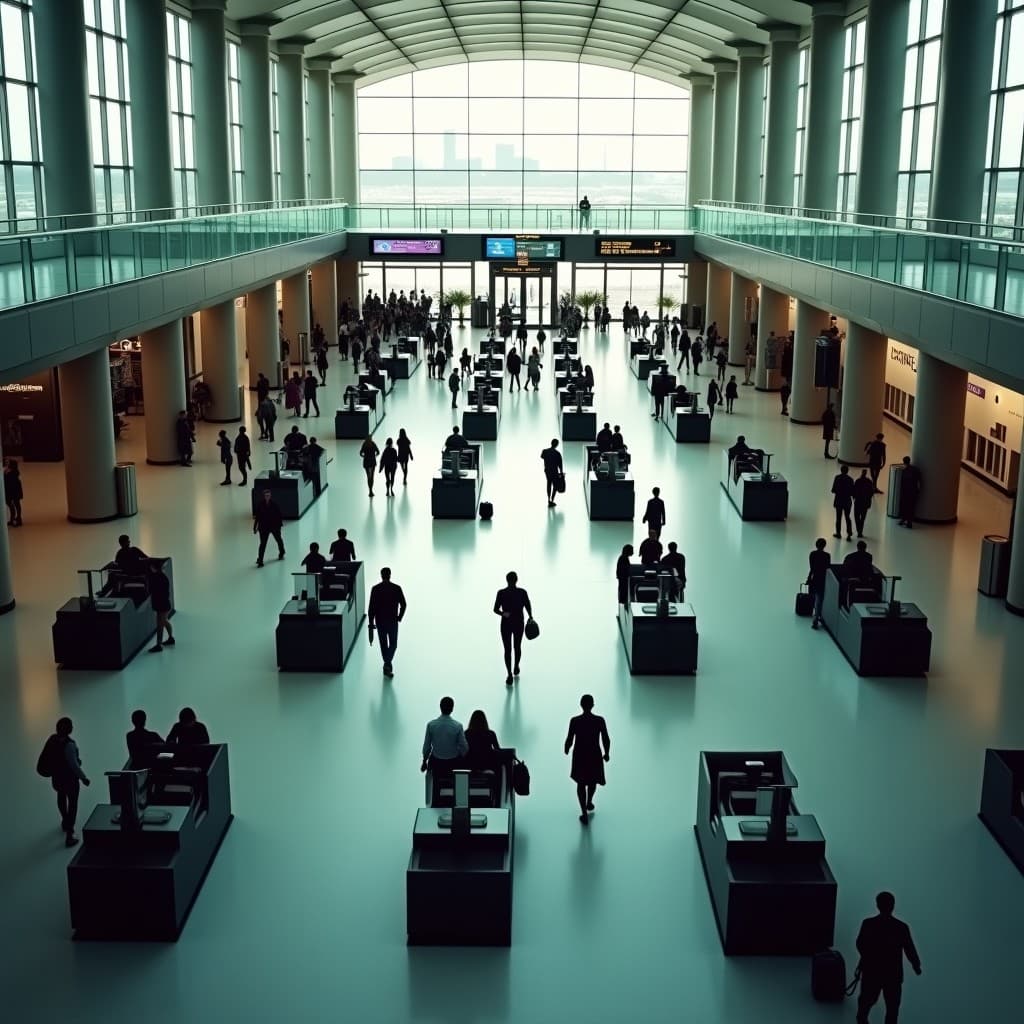
Rome's airports face a summer crisis as the European Union's new digital entry-exit system for non-EU citizens threatens to create bottlenecks during peak tourism season. According to the Guardian, the head of Rome's airports warned on Thursday that suspending the system would be the only way to avoid a "disaster" as hundreds of thousands of international visitors pass through the capital's gates.
The system, designed to streamline border management across the EU, requires all non-EU travellers to register biometric data and travel details before entry. At Rome's Fiumicino and Ciampino airports, which together handle millions of passengers annually, the infrastructure cannot absorb the processing time without creating dangerous queues and flight delays, airport officials argue.
The threat reflects a broader tension between EU-wide border harmonization and the practical limits of Italy's tourism infrastructure. Rome, as the seat of government and the Vatican, draws far more international visitors than most European capitals—a pressure compounded by the city's role as the gateway to central Italy's cultural sites.
The Guardian's reporting suggests that airport authorities have begun contingency planning for a system suspension, a move that would require EU approval and would represent a significant breach of the bloc's standardized border protocols. No formal request has yet been filed, but the warning signals Rome's desperation to avoid summer travel chaos.
The timing is acute. June through August typically sees Rome's airports operating at near-total capacity, with flights stacked and passenger flows at their limit. The new digital system adds a processing layer that, according to airport management, cannot be absorbed without either suspending flights or allowing dangerous crowding in terminals.
Lazio's tourism economy depends heavily on the smooth movement of international visitors. The region's hotels, museums, restaurants and transport systems are calibrated for peak-season volumes; any major disruption cascades through the entire service sector. Foreign press coverage has framed Italy's tourism recovery as fragile, dependent on maintaining visitor confidence and ease of access.
The EU has not yet responded publicly to Rome's threat. Whether Brussels will grant an exemption, demand infrastructure investment, or stand firm on the system's universal application remains unclear. The dispute sits at the intersection of EU sovereignty and national administrative capacity—a recurring friction point between Rome and Brussels.