
TRENTINO-ALTO ADIGE
Rome ice-cream vendor's €44 bill sparks global outcry over tourist pricing
A US visitor's social media complaint about a central ice-cream parlour revives debate over whether Italy's tourism economy is pricing out its own appeal.
Klara Hofer1,346 wordsEdition №9Tuesday, 9 June 2026 — Edition № 9
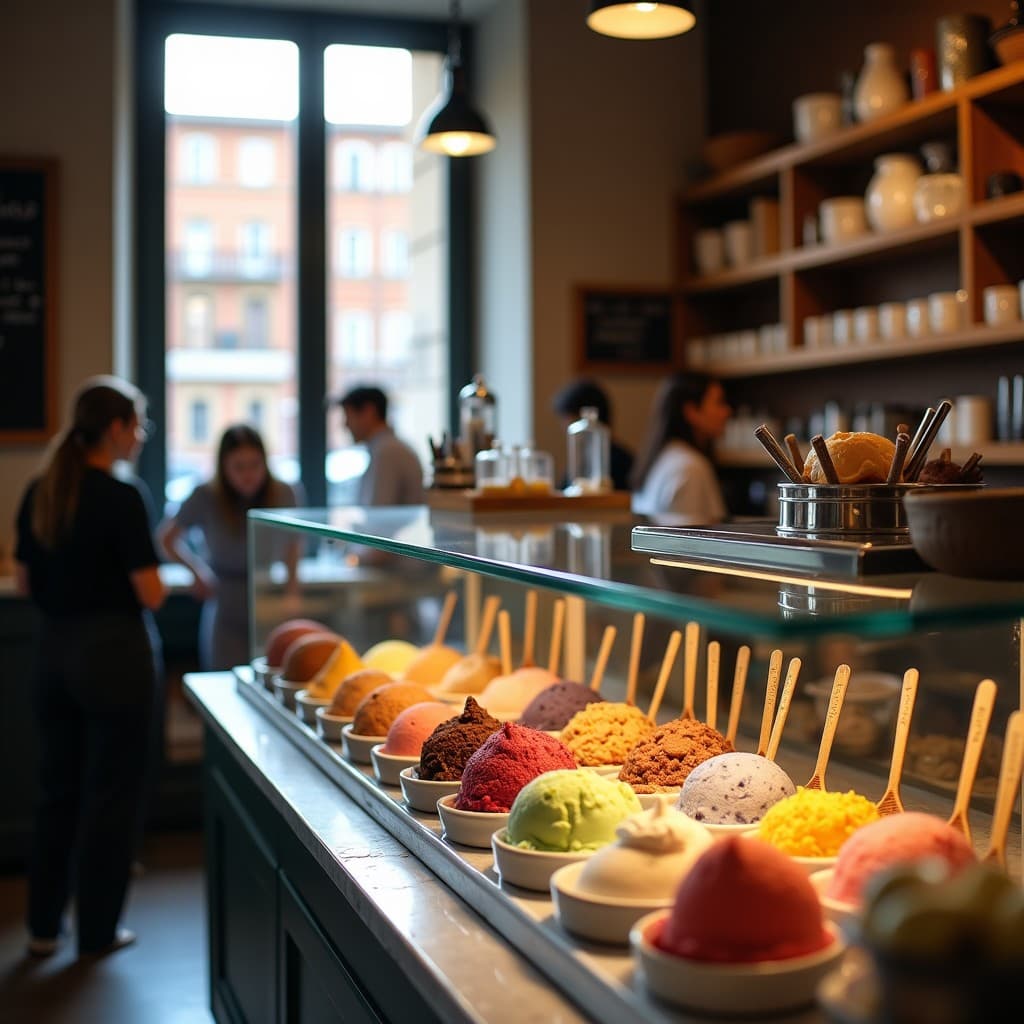
Nicole Ann, a visitor from Florida, posted a warning on Facebook after paying €44 (approximately £38) for two ice creams at Don Nino, an ice-cream parlour in central Rome, according to the Guardian. The post, which received more than 900 comments, sparked a broader conversation about whether Rome's tourism economy has become unsustainable for visitors and whether pricing practices are damaging the city's reputation as a destination. One Italian commenter expressed shame at the incident, suggesting that such prices reflect poorly on the country's hospitality.
The incident illustrates a tension that has become increasingly visible in Italy's major tourist cities: the pressure to extract maximum revenue from visitors versus the risk of pricing those visitors away entirely. Rome, Florence and Venice have all faced criticism in recent years for what foreign travel media describe as exploitative pricing in restaurants, ice-cream shops and other tourist-facing businesses. The Guardian's report suggests that this practice is not isolated but symptomatic of a broader dynamic in which tourism revenue has become so central to urban economies that vendors face pressure to maximise per-transaction income.
For Trentino-Alto Adige, the Rome ice-cream story carries a cautionary note. The region's Alpine tourism economy — centred on the Dolomites, ski resorts and mountain villages — has long grappled with the tension between generating revenue and maintaining the appeal that draws visitors in the first place. The region's tourism boards and local governments have generally been more attentive to this balance than their counterparts in Rome or Venice, but the underlying economic pressure is similar. The ice-cream incident suggests that Italy's tourism sector, as a whole, may be approaching a threshold where price increases begin to erode demand.
The €44 bill for two ice creams is striking partly because it is so transparent and so easily shared. Ice cream is a casual, low-stakes purchase; it is also one of the first things a tourist notices when prices seem out of proportion. A visitor who pays €22 per ice cream is unlikely to return, and is likely to tell others — which is precisely what Ann did, reaching an audience of hundreds on Facebook and subsequently thousands through international news coverage.
Rome's tourism economy has been under strain for several years. The city attracts roughly 10 million visitors annually, according to international travel media, making it one of Europe's most visited capitals. That volume of tourism generates enormous revenue but also creates pressure on infrastructure, services and the patience of residents. The ice-cream incident is a small symptom of a larger problem: when a city becomes primarily a tourism destination, the incentive structure shifts toward extracting as much revenue as possible from each visitor, often at the expense of the visitor's experience and willingness to recommend the place to others.
The Guardian's coverage suggests that this is not an isolated incident but part of a pattern. Foreign travel media have reported repeatedly on high prices in Rome's central tourist zones — restaurants charging €15 for a cappuccino, pizzerias with inflated menus for tourists, ice-cream vendors with prices that bear little relationship to the product's actual cost. These stories accumulate in the international press and shape potential visitors' perceptions of whether a trip to Rome is worth the expense.
For Trentino-Alto Adige, the lesson is both cautionary and reassuring. The region's tourism economy is substantial — the Dolomites attract millions of visitors annually, and ski resorts generate significant winter revenue — but it has historically been managed with more restraint than Rome's. Local tourism boards in South Tyrol and Trentino have generally emphasised quality and sustainability over maximum extraction. Prices in mountain restaurants and hotels are high, but they tend to reflect genuine costs (labour, heating, transport to remote locations) rather than pure opportunism.
The regional government's approach to tourism has also been more regulated. Trentino-Alto Adige has planning restrictions on development, environmental protections for the Dolomites, and a tourism industry that is more integrated with local agriculture, forestry and other economic sectors. This diversification means that the region is not entirely dependent on tourism revenue in the way that Rome's historic centre is. A bad season or a reputation for overpricing affects the region's economy but does not threaten its survival.
That said, the ice-cream incident is a reminder that even Alpine tourism can be vulnerable to the same pressures. As climate change affects skiing seasons, as overtourism in the Dolomites increases (particularly in summer), and as labour costs rise, there is a temptation to raise prices to maintain margins. The Guardian's reporting on Rome suggests that this strategy has limits: visitors will eventually decide that a destination is too expensive and choose elsewhere.
The ice-cream story also reflects a broader shift in how tourism is mediated. A generation ago, a tourist's complaint about prices in Rome would have been confined to letters home or word-of-mouth. Now, a Facebook post reaches hundreds immediately and can be picked up by international news outlets within hours. The transparency of social media means that pricing practices that were once invisible to the broader public are now instantly visible and shareable. A vendor in Rome who charges €44 for two ice creams is not just making a transaction; they are creating a story that will be told and retold across the world.
For Trentino-Alto Adige's tourism industry, this shift in media dynamics is significant. The region's reputation for quality, sustainability and fair pricing is an asset — but it is an asset that can be damaged quickly by a few high-profile incidents. A viral post about an overpriced meal in Bolzano or a ski resort could shape international perceptions of the entire region. Conversely, a reputation for reasonable pricing and good value is a competitive advantage, particularly as visitors become more price-conscious in the post-pandemic economy.
The ice-cream incident also raises questions about labour and working conditions in Rome's tourism sector. High prices do not necessarily translate to high wages for workers; in many cases, tourism workers in Rome are paid relatively modest salaries while vendors capture large margins. The Guardian's report does not address this dimension, but it is implicit in the story: the €44 bill suggests a business model in which the vendor is extracting as much as possible from each transaction, not necessarily paying workers proportionally more.
International travel media have increasingly focused on the sustainability of mass tourism in Europe's major cities. The Guardian, the BBC, France 24 and other outlets have published extensive coverage of overtourism in Venice, Florence, Rome and other destinations. The ice-cream incident fits into this broader narrative: it is a small example of how tourism can become extractive rather than mutually beneficial. A visitor pays an exorbitant price and leaves with a negative impression; the vendor makes a large margin but damages the city's reputation.
For Trentino-Alto Adige, which markets itself partly as an alternative to overcrowded Mediterranean destinations, the Rome ice-cream story is useful. It reinforces the region's positioning as a place where visitors can experience authentic Alpine culture without the price gouging and overtourism of Italy's most famous cities. The region's tourism boards can point to incidents like the Rome ice-cream complaint and say: this is not how we do business here.
The incident also highlights the role of social media in shaping tourism flows. A single viral post can reach more people than a year of traditional marketing. Nicole Ann's complaint about Don Nino may deter hundreds or thousands of potential visitors from that establishment and from Rome more broadly. Conversely, positive reviews and recommendations can drive traffic. In this environment, pricing practices are not just economic decisions; they are reputational decisions with immediate and global consequences.
The Guardian's coverage suggests that the ice-cream incident is part of a larger reckoning in Italy's tourism sector. As international visitors become more price-conscious and more willing to share their experiences online, vendors and businesses that rely on opacity and opportunism face increasing pressure. The future of tourism in Rome, and in Italy more broadly, may depend on whether the industry can shift toward a model that balances revenue generation with visitor satisfaction and fair pricing.
For Trentino-Alto Adige, the challenge is to maintain that balance while facing the same economic pressures that have driven prices up in Rome. Labour costs are rising, climate change is affecting ski seasons, and the region's Alpine environment requires ongoing investment in maintenance and protection. The temptation to raise prices is real. But the ice-cream story suggests that visitors have alternatives — and that a reputation for fair pricing and quality is worth more, in the long run, than short-term revenue maximisation.