
ESTERO
Rome's ice-cream pricing row exposes tourism economy tensions
A US visitor's €44 complaint sparks debate over tourist pricing and the city's post-pandemic service sector
Adriana Sole1,198 wordsEdition №9Tuesday, 9 June 2026 — Edition № 9
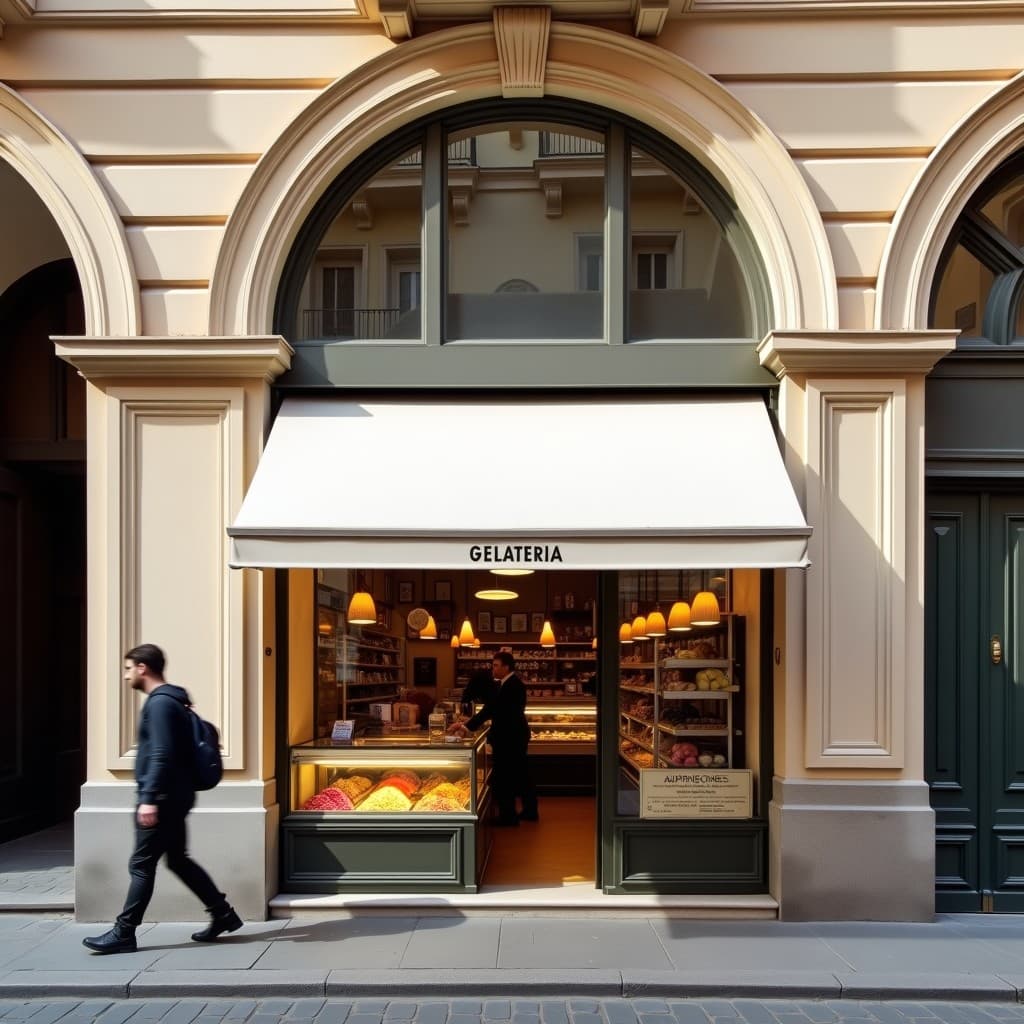
A US tourist from Florida posted on Facebook this week that she had paid €44 (approximately £38) for two ice creams at Don Nino, an ice-cream parlour on a street in Rome's historic centre, according to the Guardian. The post received more than 900 comments, with Italian respondents expressing embarrassment and concern about the city's reputation. The incident, while focused on a single transaction, reflects broader tensions within Rome's tourism economy as the city grapples with post-pandemic pricing strategies and visitor expectations.
The complaint emerged at a moment when Italy's tourism sector is navigating competing pressures. Mass tourism has strained Venice, Florence, and Rome, prompting local governments to impose restrictions on visitor accommodations and implement new regulations. Florence recently banned tourist short-term rentals in nine neighbourhoods, a model that other Italian cities are watching closely. Rome, meanwhile, continues to absorb millions of annual visitors without comparable regulatory interventions, creating conditions where individual merchants can exercise substantial pricing power.
The ice-cream incident also reflects the broader challenge facing Italy's service sector. Italian manufacturers have reported stronger orders in recent months, driven partly by safety stockpiling and economic recovery, yet service-sector wages have not kept pace with inflation. For small business owners in Rome's tourist zones, pricing decisions balance operational costs, labour expenses, and market demand—a calculation that can produce outcomes that shock visitors accustomed to different pricing norms.
The Guardian's reporting on the ice-cream complaint placed the incident within Rome's broader tourism economy. Don Nino operates on a street in the city's historic centre, a location that commands premium rents and attracts high volumes of international visitors with limited price sensitivity. The parlour's pricing strategy—€22 per ice cream—reflects a calculation that tourists will pay substantially more than local residents for convenience and location. The strategy is not unique to Rome; similar pricing dynamics exist across Mediterranean tourist destinations.
What distinguishes this incident is the visibility it achieved through social media. The original Facebook post, amplified by international news coverage, has created reputational consequences for both the individual establishment and Rome's tourism brand more broadly. Italian commenters expressed concern that such pricing practices damage Italy's international reputation and discourage repeat visits. The emotional response suggests that pricing transparency and perceived fairness remain important factors in how Italians view their tourism economy.
Rome's tourism sector has undergone significant transformation since 2020. The pandemic devastated hospitality and service industries, forcing closures and layoffs across the city. Recovery has been uneven, with some segments rebounding faster than others. Luxury tourism—high-spending visitors staying in premium accommodations—has recovered more robustly than budget and mid-range segments. This shift has created incentives for businesses to target affluent visitors willing to pay premium prices, potentially at the expense of broader market appeal.
The pricing incident also intersects with labour market dynamics in Rome's service sector. Hospitality workers have faced wage stagnation and precarious employment conditions, particularly in seasonal and casual positions. Small business owners argue that rising labour costs, rent, and supply chain expenses justify premium pricing. Workers counter that wages have not increased proportionally, meaning price increases benefit owners more than employees. This tension remains largely invisible to tourists but shapes the economic sustainability of Rome's tourism-dependent neighbourhoods.
Florence's recent decision to ban tourist short-term rentals in nine neighbourhoods signals a shift toward regulatory intervention in tourism management. The Guardian reported on this development as a model other Italian cities are monitoring. Rome has not implemented comparable restrictions, partly due to political fragmentation and the economic importance of tourism to the city. However, the ice-cream pricing complaint may increase pressure on Rome's municipal government to address tourism-related quality-of-life issues.
The broader context includes Italy's position within European tourism markets. Italy attracts approximately 65 million international visitors annually, generating substantial foreign exchange and employment. However, the distribution of tourism benefits remains concentrated in major cities and coastal regions, while interior regions and smaller towns struggle to attract visitors. Rome, as Italy's capital and primary tourist destination, absorbs a disproportionate share of visitor flows, creating both economic opportunities and management challenges.
Pricing practices in Rome's tourist zones reflect information asymmetries between visitors and merchants. International tourists often lack knowledge of local pricing norms and may not have time to comparison shop. Language barriers can also limit negotiation. Merchants, conversely, have detailed knowledge of visitor willingness to pay and can adjust prices accordingly. The ice-cream incident illustrates how these asymmetries can produce outcomes that violate visitor expectations and generate negative publicity.
The incident also raises questions about tourism governance and consumer protection. Italy's consumer protection framework applies to all transactions, yet enforcement in tourist-heavy areas remains inconsistent. Some municipalities have established tourism police units to monitor pricing practices and respond to complaints, but Rome's capacity for such oversight remains limited. The absence of visible enforcement mechanisms creates conditions where merchants can exercise pricing power with limited accountability.
International visitor expectations shape how pricing incidents are interpreted. US tourists, accustomed to transparent pricing and consumer protection norms in American markets, may react with particular surprise to what they perceive as exploitative pricing. European visitors, familiar with premium pricing in tourist zones, may be less shocked. The nationality of the complainant in this case—American—may have amplified the social media response and international news coverage.
The ice-cream complaint also reflects broader questions about tourism's relationship to local communities. As tourism becomes increasingly concentrated in city centres, residents face rising rents, changing commercial landscapes, and altered street-level experiences. The transformation of Rome's historic neighbourhoods into tourism-oriented commercial zones has created tensions between tourism revenue and quality of life for permanent residents. Pricing practices that extract maximum value from tourists can accelerate neighbourhood transformation and resident displacement.
Looking forward, the incident may influence how Rome's tourism sector approaches pricing strategy. Negative social media amplification carries reputational costs that can deter future visits. Tour operators and travel agencies may steer clients away from establishments with negative reviews. The economic logic of premium pricing must account for these reputational externalities. Some merchants may adjust pricing downward to avoid similar complaints, while others may maintain premium strategies and accept reduced market share.
The broader policy question concerns how Italian cities should manage tourism growth and its distributional consequences. Venice, Florence, and Rome face similar pressures: how to capture tourism revenue while maintaining liveable cities and protecting local communities. Florence's rental restrictions represent one regulatory approach; others include visitor caps, tourism taxes, and zoning regulations. Rome has not yet adopted comparable measures, leaving individual merchants to make pricing decisions without municipal coordination or guidance.
The ice-cream incident also intersects with Italy's international image and soft power. Italy's cultural influence—fashion, design, cuisine, art—depends partly on perceptions of authenticity and quality. Pricing practices perceived as exploitative or dishonest can damage these perceptions and reduce Italy's cultural appeal. The Guardian's coverage, reaching international audiences, has amplified this reputational dimension. For Italy's tourism and export industries, brand reputation carries substantial economic value.