
SARDEGNA
Rome's Ice-Cream Shock Echoes Sardinia's Tourism Reckoning
A US tourist's €44 bill for two scoops exposes how Italian coastal cities price out visitors—a model island resorts know well.
Gavino Sanna1,247 wordsEdition №9Tuesday, 9 June 2026 — Edition № 9
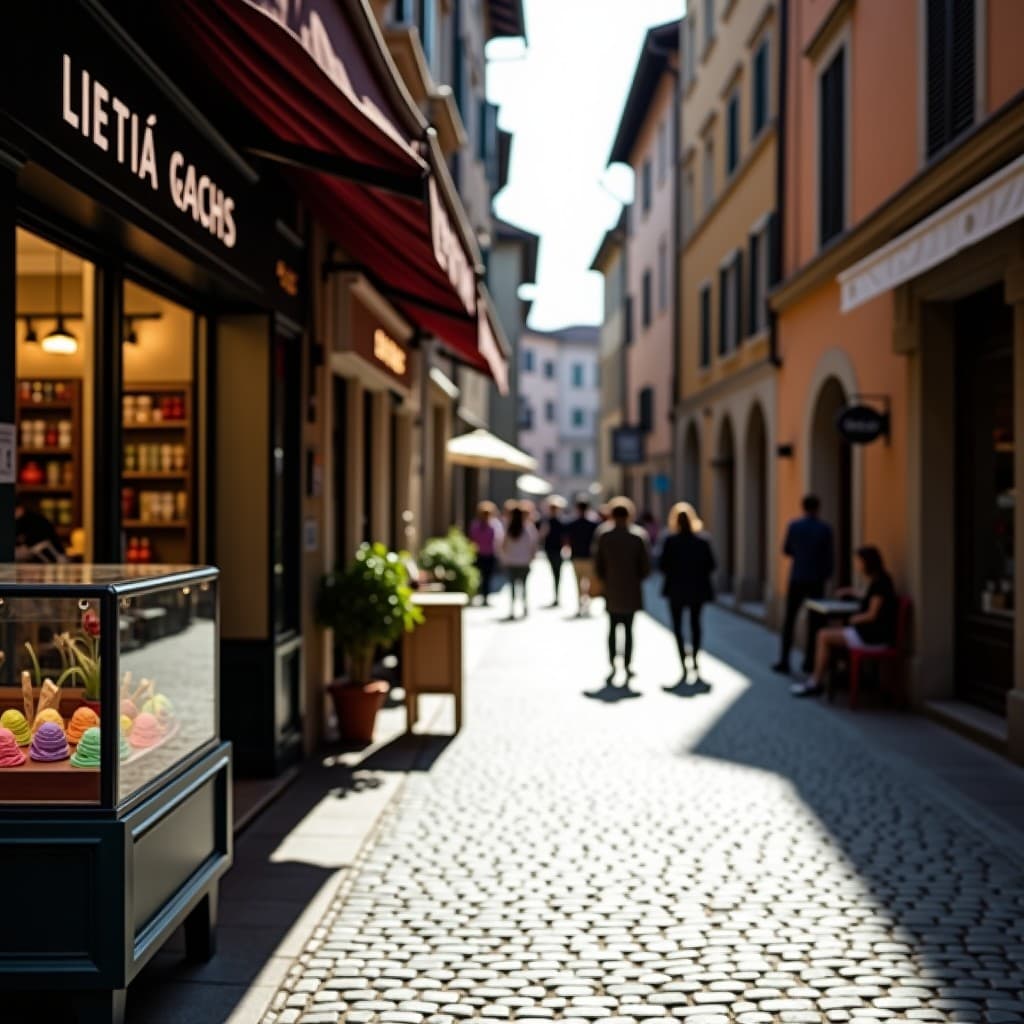
Nicole Ann, a visitor from Florida, posted on Facebook this week that she had been charged €44 at Don Nino, an ice-cream parlour near Rome's historic centre, for two ice creams she described as mediocre. The post drew more than 900 comments, according to the Guardian, with Italian respondents expressing embarrassment at the price. The incident reflects a broader pattern: as foreign tourism crowds Italy's most famous destinations, prices in those cities have climbed steeply, pricing out both locals and ordinary visitors.
The Guardian's report suggests the pricing is not isolated to a single parlour but symptomatic of how Rome and other major Italian tourist zones have monetised their cultural draw. One Italian commenter told the Guardian they were ashamed of the charge. The episode has prompted fresh scrutiny of how Italy's tourism economy operates—and who benefits from it.
For Sardinia, the Rome ice-cream story reads as a cautionary tale about a model the island knows intimately. The Costa Smeralda and other luxury coastal zones have long operated on premium pricing that caters to wealthy international visitors; the interior, by contrast, has watched tourism revenues concentrate in a narrow band of resorts and high-end establishments, leaving the broader economy behind.
The Guardian's reporting frames the Rome incident as part of a wider phenomenon: as Italy's most iconic cities have become global tourist destinations, the economics of those places have shifted. Prices in Rome's historic centre—particularly in hospitality, food and retail—have risen faster than wages for residents and faster than prices in less-visited Italian cities. The ice-cream charge is extreme, but it sits on a spectrum of pricing that has made central Rome increasingly inaccessible to ordinary Italians.
Tourism in Italy generates roughly 13 per cent of GDP and employs hundreds of thousands. Yet the distribution of that wealth is uneven. Foreign visitors concentrate in a handful of cities: Rome, Florence, Venice, Milan. Those cities have seen property values, rents, and service prices rise sharply. Residents have been displaced; small family businesses have given way to chains and tourist-oriented shops. The Guardian's coverage of the ice-cream incident reflects a growing international awareness that Italy's tourism boom has created a two-tier economy in its major cities.
Sardinia's experience offers a parallel. The island receives roughly 2.5 million visitors annually, most of them concentrated on the Costa Smeralda and other coastal strips. Those areas have developed a luxury tourism infrastructure: high-end hotels, restaurants, yacht services, designer shops. Prices in those zones reflect international demand and the purchasing power of wealthy northern Europeans and Russians. A meal in Porto Cervo costs several times what the same meal costs in Cagliari or in the Barbagia interior.
But Sardinia's tourism concentration has a sharper edge than Rome's. Rome's visitors, however numerous, are spread across a large city with a resident population of 2.8 million. Sardinia's population is 1.58 million; the island is smaller and more fragile. Tourism revenue has not translated into broad economic development. The interior—the Ogliastra, the Barbagia, the Gennargentu—has emptied of young people for decades. Villages have closed schools and shops. The wealth generated by Costa Smeralda tourism has not flowed inland.
The Guardian's ice-cream story also touches on a question of authenticity and trust. Ann said the ice cream 'wasn't even good'—suggesting that the high price did not reflect quality but rather location and the assumption that tourists will pay without complaint. That perception matters. International travel media increasingly report on 'tourist trap' pricing in European cities. Venice, Florence, and Rome have all been subjects of such coverage. The effect is to warn potential visitors away or to make them suspicious of local businesses.
Sardinia has not yet faced the same level of international scrutiny over pricing, partly because it attracts a different demographic: wealthy tourists who expect to pay premium prices and who book through luxury travel operators rather than arriving as independent visitors. The Costa Smeralda was designed for that market. But as tourism diversifies—as younger, budget-conscious travellers discover the island—the question of pricing sustainability will arise here too.
The Guardian also reports that some Italians responding to Ann's post felt shame at the charge, suggesting a cultural awareness that the pricing reflects poorly on Italy's reputation. That sentiment matters. Italy's soft power rests partly on the idea of Italian hospitality, craftsmanship, and authenticity. When tourists feel cheated, that narrative fractures. The international press picks up on it, and the damage spreads.
For Sardinia, the lesson is complex. The island's luxury tourism model has been profitable for resort owners and service providers in coastal zones. But it has also insulated the island from the kind of mass tourism that has overwhelmed Venice or Florence. Sardinia does not have Rome's crowds or Venice's overtourism crisis—yet. The island's challenge is different: how to develop tourism that generates wealth for the broader population, not just for coastal elites, without pricing out visitors or damaging the island's reputation for authenticity.
The ice-cream incident also raises questions about regulation. The Guardian's report does not indicate that the parlour broke any law or violated any pricing rules. Italy has no price controls on food or hospitality. The charge was legal, even if it shocked a visitor accustomed to American pricing. That regulatory vacuum allows businesses to charge what the market will bear—which, in tourist zones, can be very high indeed.
Sardinia's regional government has occasionally discussed tourism policy, but enforcement of standards or pricing transparency remains weak. The island competes with other Mediterranean destinations—Croatia, Greece, Portugal—for visitors. Those countries have invested in tourism infrastructure and marketing. Sardinia's advantage is its landscape, its archaeological heritage, and its relative remoteness. But if the island becomes known for overpricing, that advantage erodes.
The Guardian's framing also reflects a broader shift in international travel media. Ten years ago, coverage of Italy's tourism often celebrated the country's cultural richness and the experience of visiting. Now, foreign outlets increasingly report on the costs and strains of that tourism—on residents, on infrastructure, on the authenticity of the experience itself. That shift reflects real changes: tourism has intensified, prices have risen, and the experience of visiting Italy's major cities has become more transactional and less immersive.
For Sardinia, the ice-cream story is a reminder that tourism economics are fragile. The island's reputation for beauty and authenticity is its main asset. Once that reputation is damaged—once visitors feel they have been overcharged or deceived—recovery is slow. The Guardian's coverage of the Rome incident will reach millions of readers. Some will avoid Rome; some will be more cautious about Italy generally. For Sardinia, the question is whether the island can build a tourism model that is both profitable and sustainable, that generates wealth for local communities without pricing out visitors or damaging the island's cultural identity.
The ice-cream charge also reflects a deeper question about who tourism is for. In Rome, as in Palermo and on the Costa Smeralda, tourism has become increasingly oriented toward wealthy international visitors. Ordinary Italians and ordinary tourists are priced out. That creates a two-tier experience: luxury tourism for the rich, and a diminished or absent experience for everyone else. Sardinia has not yet reached that extreme, but the trajectory is visible. The island's challenge is to resist it—to build a tourism economy that is inclusive, sustainable, and rooted in genuine hospitality rather than extraction.