
ECONOMY
Rotterdam's autonomous vessel trial signals Europe's port-tech divide
Inland container ship navigates Dutch port uncrewed; Genoa weighs costly automation as climate-neutral shipping becomes competitive necessity
Marina Doria468 wordsEdition №21Saturday, 20 June 2026 — Edition № 21
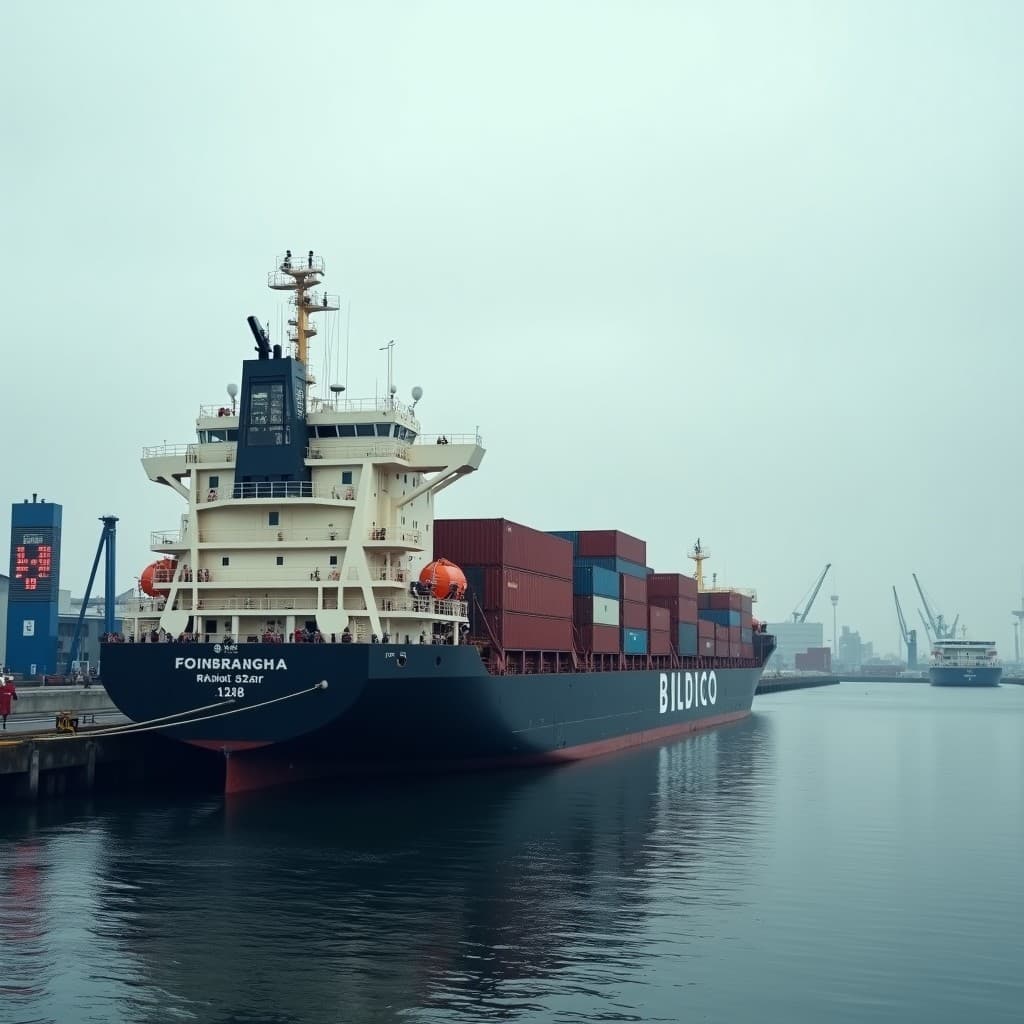
The Port of Rotterdam demonstrated an autonomous inland container vessel on June 16 as part of an innovation project aimed at accelerating the transition to climate-neutral ports, according to the Maritime Executive. The vessel, flagged in the Netherlands and operated by the HTS Group, navigated the port without human crew intervention, a technical achievement that underscores the accelerating automation of European shipping infrastructure. The trial is part of a broader European push to reduce emissions in the maritime sector while improving operational efficiency—a dual imperative that is reshaping competition among major container terminals.
For Genoa and the Port Authority of the Eastern Ligurian Sea, the Rotterdam milestone presents both opportunity and pressure. Autonomous vessel technology promises to reduce labor costs and emissions per container moved, metrics that increasingly influence shipping lines' routing decisions and terminal selection. Yet the capital investment required to equip a port for autonomous operations—from sophisticated navigation systems to drone-based cargo handling and digital infrastructure—runs into millions of euros per facility. Liguria's port authority, already constrained by limited public funding and the complexity of Italian procurement rules, faces a widening gap between its automation capabilities and those of northern competitors.
The Rotterdam demonstration is part of a European innovation ecosystem centered in the Netherlands, Germany, and Scandinavia—regions where port authorities have access to venture capital, research partnerships with leading universities, and government backing for green-tech pilots. The Maritime Executive reported that the project aims to accelerate the adoption of autonomous systems across inland waterways and port terminals, a transition that is expected to accelerate sharply after 2030 as European Union regulations tighten emissions standards for maritime transport.
Genoa's challenge is not technical but structural. The port has the cargo volume and the geographic advantage to justify investment in automation; what it lacks is a consistent funding mechanism and the regulatory agility to move quickly. Italian ports operate under national maritime law and EU port directives that require extensive stakeholder consultation—a process that, according to foreign observers, can stretch multi-year projects into decade-long efforts. By contrast, Rotterdam and other northern ports benefit from national governments and regional authorities willing to fast-track capital deployment for green infrastructure.
The competitive stakes are real. Shipping lines increasingly favor ports that can offer both lower emissions per container and faster turnaround times—metrics that autonomous systems can improve substantially. A port that lags in automation risks losing market share not just to Rotterdam or Hamburg, but to newer terminals in Spain and southern France that are investing aggressively in digital infrastructure. For Liguria, which depends on Genoa's throughput to sustain its logistics sector and broader regional economy, the automation gap represents a medium-term threat to its position as southern Europe's premier container hub.
The broader context, reported by the Maritime Executive, is that European ports are engaged in a technology race to meet climate targets while maintaining commercial competitiveness. Autonomous systems, battery-powered cargo handling equipment, and digital supply-chain integration are becoming table stakes rather than competitive advantages. Ports that move quickly capture market share; those that delay risk obsolescence. For Italy, where infrastructure modernization has historically moved at a slower pace than in northern Europe, the Rotterdam milestone is a reminder that the cost of inaction compounds over time.