
BASILICATA
Saharan heat builds across Europe; Basilicata prepares for extended high-temperature stress
Heatwave conditions intensify as hot air mass settles over continent; Southern Italy faces dual pressure from climate and energy demand
Pietro Lasorsa448 wordsEdition №18Wednesday, 17 June 2026 — Edition № 18
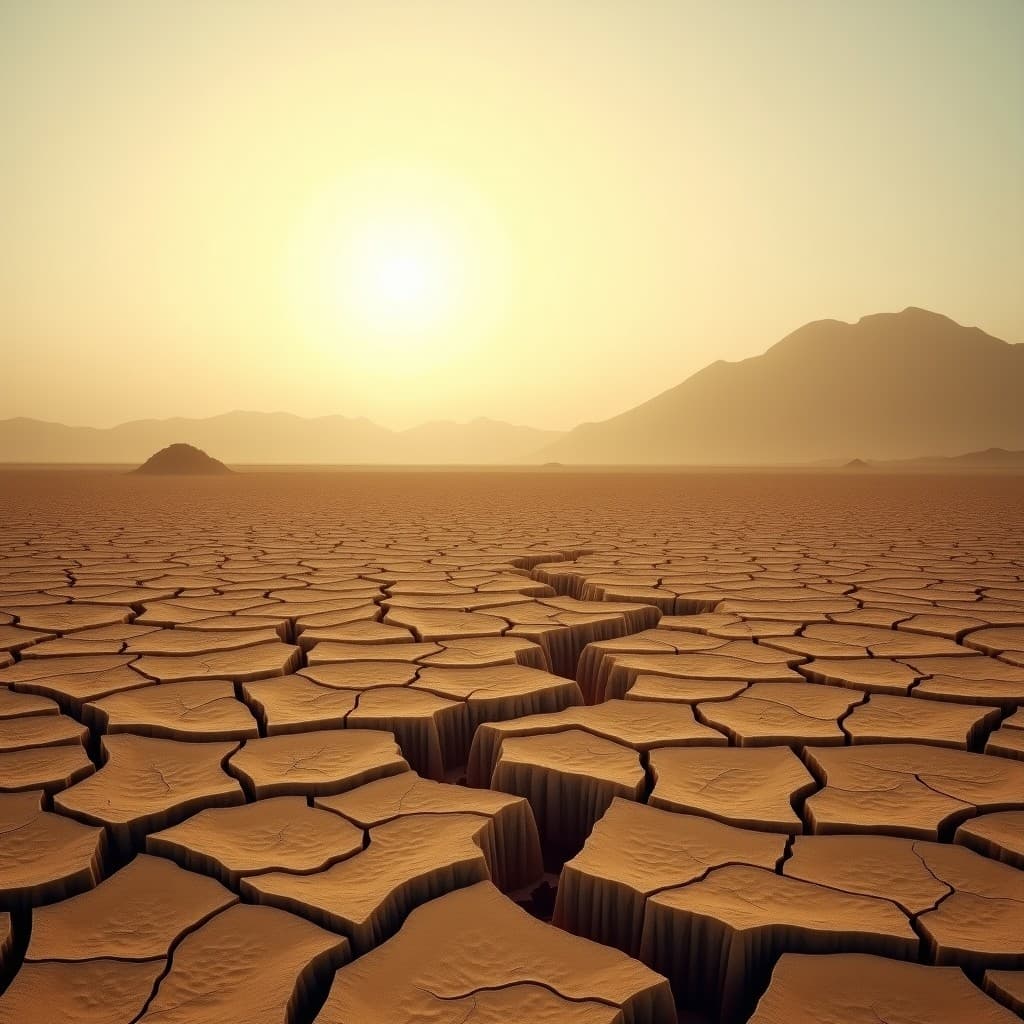
A mass of hot air from the Sahara has drifted northward across Southern Europe, triggering heatwave conditions that the Guardian's weather tracker expects to build across large swathes of the continent this week. The pattern is familiar—seasonal heat amplified by climate-driven atmospheric shifts—but its timing compounds existing pressures on Italy's energy infrastructure. As households and firms increase air-conditioning demand, power consumption will spike precisely when renewable generation may not be sufficient to meet it, forcing reliance on gas-fired plants and imported electricity at premium prices.
For Basilicata, the implications are layered. The region's continental climate in its mountain interior and Mediterranean conditions on its coasts mean temperature stress varies sharply across short distances, but both zones will experience above-normal heat. Agriculture—a secondary pillar of the regional economy alongside energy—faces immediate risk from sustained high temperatures and the water stress they trigger. Irrigation demand will spike; water availability in a region already grappling with periodic drought will tighten further. The energy sector, meanwhile, will face competing pressures: higher domestic demand for cooling, and the need to maintain grid stability as industrial users also increase consumption.
The Guardian reported that hot weather is expected across Europe this week as a broad heatwave builds, with the Saharan air mass having settled over the Iberian peninsula and spreading northeastward. Such events are becoming more frequent and intense as global temperatures rise, according to climate science coverage in international outlets. Italy, already among Europe's most heat-stressed regions, has limited buffering capacity—its water infrastructure is aging, its grid is fragmented across regional operators, and its renewable energy capacity, as Confindustria has just highlighted, remains inadequate to absorb peak demand.
Basilicata's exposure is compounded by its geography and demography. The region's interior is sparsely populated and ageing, with limited capacity to evacuate vulnerable populations or provide emergency cooling services. Coastal zones, including the Ionian and Tyrrhenian stretches, attract summer tourism, but prolonged heat can deter visitors and strain local services. Agricultural areas—particularly in the Val d'Agri and surrounding zones—depend on irrigation systems that are already stretched during normal summers. A sustained heatwave, if it lasts weeks rather than days, could trigger water rationing that cascades through both food production and energy generation (hydroelectric plants require water flow).
The convergence of immediate climate stress and structural energy vulnerability is not incidental. As the world's foreign press has repeatedly noted, Italy's transition to renewable energy remains incomplete at precisely the moment when climate impacts are accelerating. Basilicata, with its dual identity as an energy-producing region and an agricultural and tourism-dependent interior, sits at the intersection of these pressures. The next few weeks will test whether regional infrastructure—power grids, water systems, emergency services—can absorb the stress without disruption.