
CALABRIA
Saharan heat brings first serious heatwave; Calabria's citrus and bergamot face summer stress
Temperatures reaching 39–40°C across southern Italy; agricultural regions brace for drought pressure on crops and water supplies
Saverio Gallo381 wordsEdition №18Wednesday, 17 June 2026 — Edition № 18
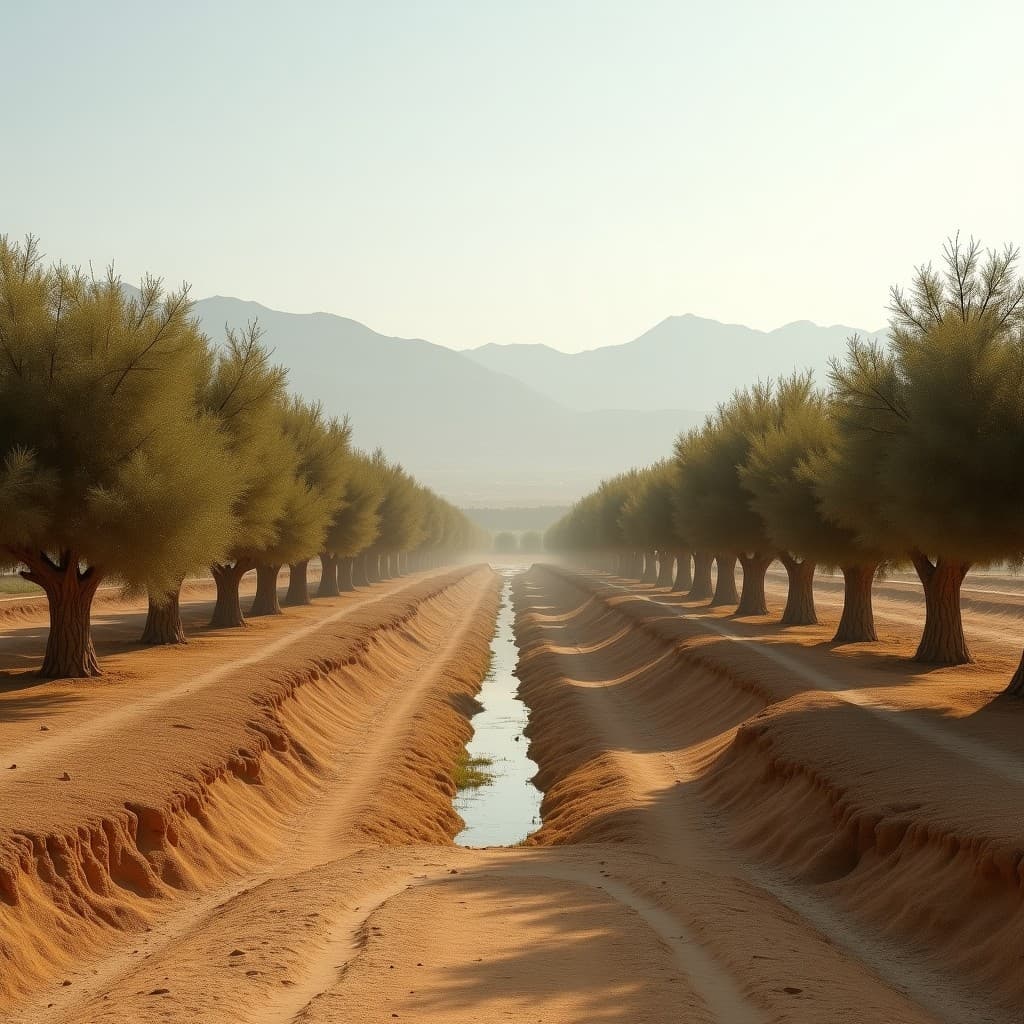
Italy is bracing for its first major heatwave of the summer as Saharan air settles over the continent. According to The Local Italy, temperatures are expected to reach 39–40°C in some areas this week, with the hot air mass drawn up from the Sahara spreading across the Iberian peninsula and into southern Europe. The Guardian's weather tracker confirmed that heatwave conditions are building over large swathes of the continent, with particular intensity in the Mediterranean region.
For Calabria, the arrival of sustained heat poses immediate risks to agriculture and water supplies. The region's economy depends heavily on citrus and bergamot production, crops sensitive to extreme temperature and water stress. Summer drought is not unusual in the South, but early-season heatwaves can exhaust irrigation reserves before the full growing season peaks, leaving farmers scrambling to manage water rationing and crop damage.
Calabrian agriculture has adapted to Mediterranean heat for centuries, but the intensity and timing of modern heatwaves present a different challenge. Bergamot, the region's signature crop, requires consistent moisture during flowering and fruit development; temperatures above 38°C can reduce yield and quality if accompanied by water stress. Citrus producers face similar pressures. The heatwave arrives in mid-June, when irrigation demand is already rising as spring rains diminish. If sustained heat persists into July and August, as climate patterns increasingly suggest, water competition between agricultural and domestic users will intensify.
The broader Italian context adds urgency. The Local Italy reported that the heatwave marks the opening of what is forecast to be a challenging summer across the peninsula. Earlier heatwaves in recent years have stressed Italy's aging water infrastructure and exposed regional disparities in drought preparedness. Calabria, historically underinvested in water management compared to northern regions, faces particular vulnerability. The port of Gioia Tauro and other coastal infrastructure may also face operational strain if cooling water supplies are rationed.
Regional authorities have not yet announced emergency measures, but the heatwave serves as an early test of Calabria's capacity to manage climate stress without disrupting the agricultural production and port operations that sustain the regional economy. The coming weeks will reveal whether this summer follows the pattern of recent years—manageable with adaptation—or signals a new threshold of heat that existing infrastructure cannot accommodate.