
OPINION
When Conservation Becomes Exclusion
Editorial Board250 wordsEdition №15Sunday, 14 June 2026 — Edition № 15
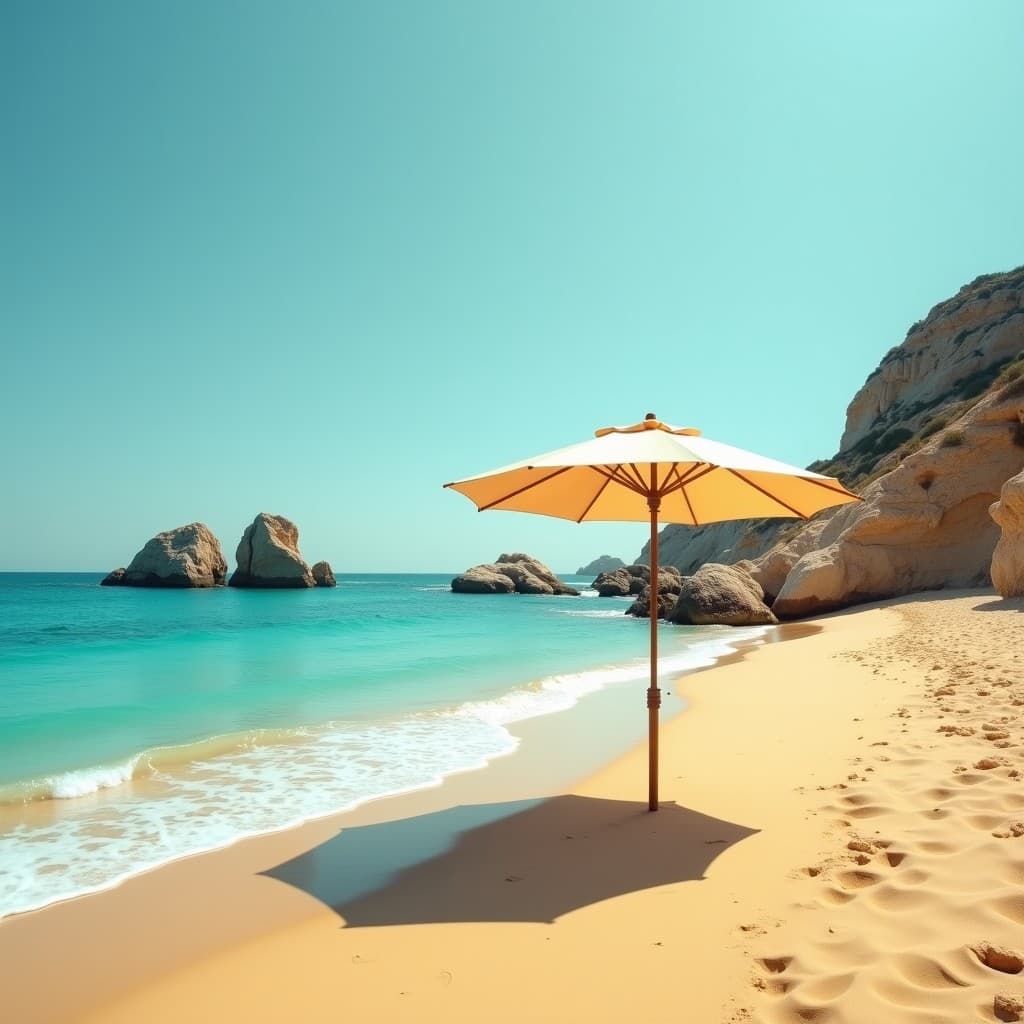
A beach in Villasimius, Sardinia, has banned umbrellas for anyone between ten and sixty-five years old. The BBC and the Guardian both reported the measure as part of a broader effort to manage crowds after wildfires damaged the coast. The rule is absurd on its face—it permits only the very young and the elderly to shield themselves from the sun—but it points to something more serious: how Italy's most precious landscapes are being rationed and controlled in ways that favour the few.
The measure follows a pattern. Punta Molentis charges a ten-euro fee for entry and restricts how visitors may occupy the sand. Venice charges day-trippers. Florence limits access to the Uffizi. Rome's monuments are managed with ever-tighter reservation systems. Each restriction is justified on environmental or heritage grounds. Each one also prices out the ordinary visitor and converts public beauty into a managed commodity. The world watches Italy defend its coasts and cities as though they were private estates.
What troubles us is not the need to protect fragile ecosystems—that is real—but the method. Italy is choosing exclusion over stewardship, fees over education, rules over welcome. A beach that bans umbrellas for the middle-aged is not protecting nature; it is performing a kind of social sorting. The young and the old, the wealthy enough to pay, the informed enough to book ahead: these are the people who will see Italy's coast. The rest will see the rules. That is not conservation. It is a slow privatisation of the commons.