
SARDEGNA
Sardinian beach tightens access rules as wildfire scars reshape tourism
Punta Molentis restricts visitors aged 10 to 65 following 2025 coastal fires; island faces model for balancing recovery and revenue
Gavino Sanna367 wordsEdition №15Sunday, 14 June 2026 — Edition № 15
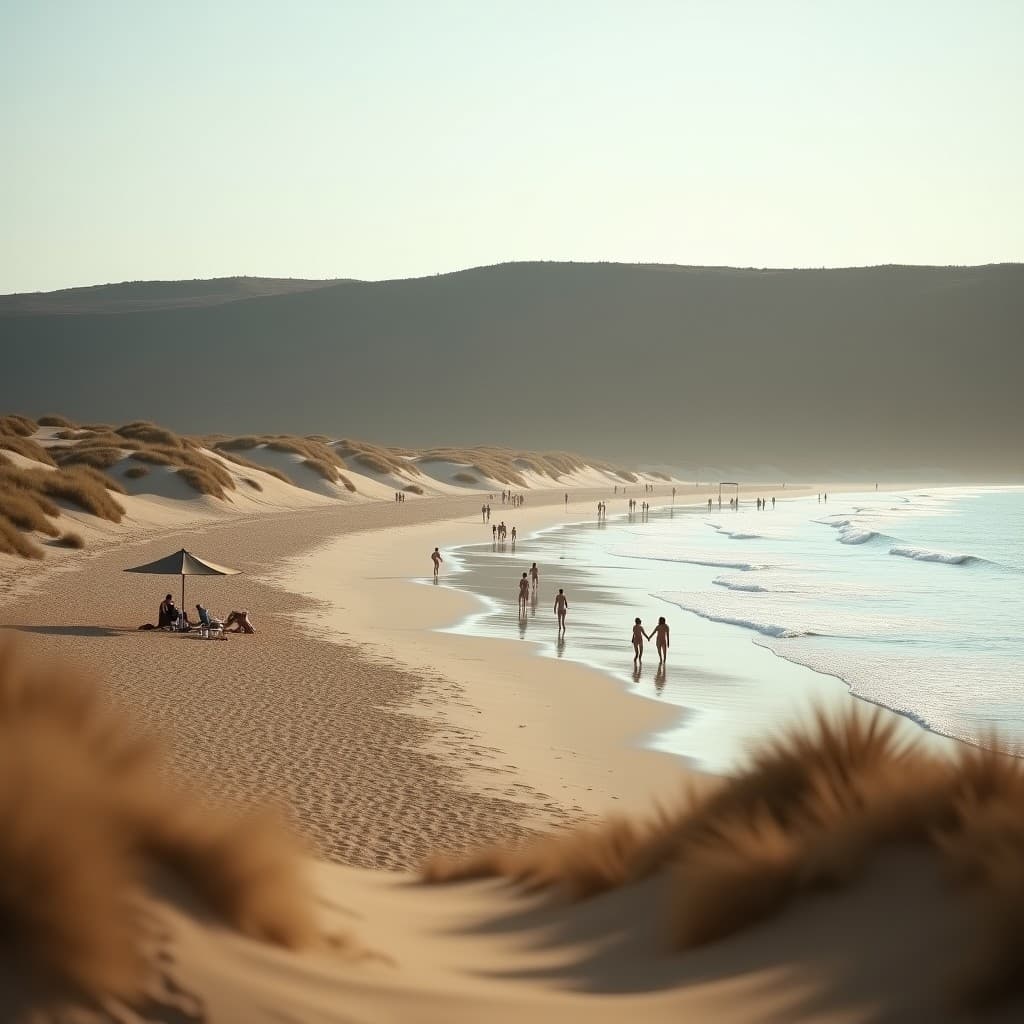
The BBC reported Friday that Punta Molentis, a beach in Sardinia, has imposed an umbrella ban on visitors aged 10 to 65, part of a broader visitor-access regime following the 2025 wildfires that scorched southern coastal areas. The restrictions come into effect as the island attempts to balance environmental recovery with the economic demands of its tourism sector, a tension that defines modern Sardinia.
Wildfires have become a recurring feature of Sardinian summers, driven by Mediterranean heat and drying conditions that climate researchers link to broader European climate stress. The 2025 fires left visible scars on coastal ecosystems that draw tens of thousands of visitors annually, particularly to the island's celebrated beaches. Punta Molentis's move to limit umbrellas for a core demographic—working-age visitors—signals an attempt to reduce foot traffic and allow vegetation to recover without abandoning tourism revenue entirely.
The measure reflects a wider island dilemma: Sardinia's economy depends heavily on coastal tourism, yet the interior continues to depopulate as younger residents migrate to the mainland. Restrictions that deter visitors risk accelerating that economic pressure on rural communities already struggling with emigration. Yet without such controls, the environmental damage from 2025 may deepen, threatening the very assets—pristine beaches and Mediterranean landscape—that draw foreign tourists in the first place.
The BBC did not provide detail on how long the restrictions would remain in place or whether other Sardinian beaches might follow suit. The agency reported only that the measures came into effect after the 2025 fires, without specifying the exact timeline of damage assessment or recovery planning. International coverage of Mediterranean wildfire recovery has increasingly framed island and coastal regions as laboratories for climate adaptation, where tourism-dependent economies must negotiate between preservation and revenue.
For Sardinia, the stakes extend beyond a single beach. The island's special autonomy within Italy gives it some latitude in environmental policy, but funding for recovery typically flows through European Union cohesion mechanisms. How Punta Molentis's experiment unfolds—whether restrictions succeed in allowing dune vegetation to re-establish, whether they meaningfully reduce visitor numbers, whether they prove economically sustainable—may influence how other Mediterranean destinations approach the same tension. The BBC's report suggests the measure is already in effect, making Punta Molentis an early test case in a pattern likely to repeat across southern Europe as climate stress accelerates.