
SARDEGNA
Sardinia's camping boom signals shift in island visitor mix
Family-focused outdoor tourism surges across Italy; Sardinia's fragile interior faces pressure from coastal resort expansion
Gavino Sanna412 wordsEdition №16Monday, 15 June 2026 — Edition № 16
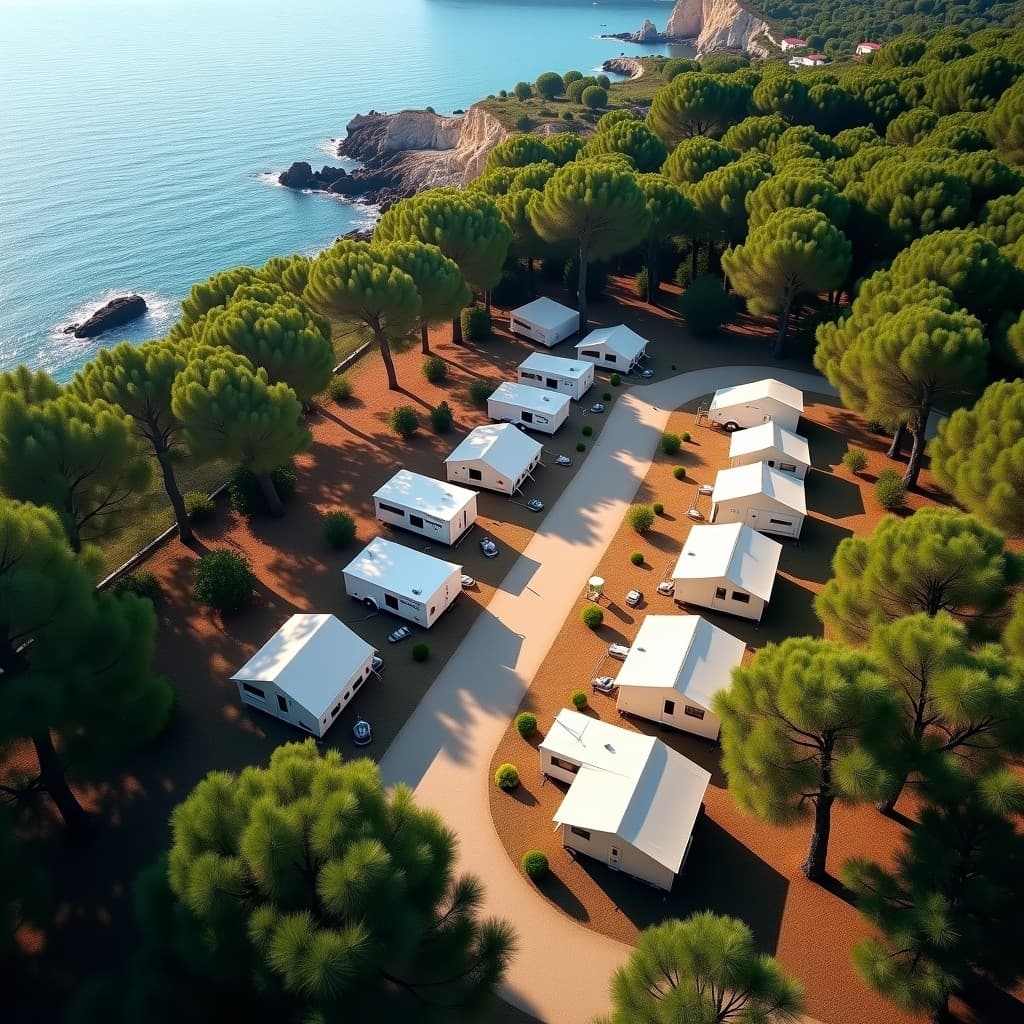
Data from Campeggi's 2026 Camping Report, cited by tourism-review.com, shows search activity for Italian campgrounds and holiday resorts has surged 34 percent in a year. The shift is being driven by families and couples: 77 percent of booking inquiries now come from travellers with children or partners, up two percentage points since 2025. This trend carries particular weight for Sardinia, where coastal tourism has long concentrated wealth and employment in a narrow strip of beaches while the interior continues to depopulate.
The camping boom reflects broader changes in how Europeans holiday after years of pandemic disruption. Open-air accommodation — once a marginal segment of Italy's tourism economy — is now competing with traditional hotels and short-term rentals for market share. For Sardinia, where the Costa Smeralda and other luxury coastal zones already dominate foreign visitor patterns, the expansion of family-oriented campgrounds and resort facilities signals a potential broadening of the tourism base beyond the ultra-high-end segment that has defined the island's international profile.
Yet the expansion poses risks. Campgrounds and holiday resorts require land, water and waste infrastructure — resources already strained in Sardinia by drought and demographic decline. The interior, which has lost population steadily to coastal migration and emigration abroad, stands to gain little from this growth unless investment deliberately reaches beyond the established resort corridors. The surge in family tourism, if concentrated on existing coastal sites, may intensify pressure on already fragile ecosystems while the depopulating hinterland remains economically marginal.
Campeggi's data does not break down regional distribution, so the precise impact on Sardinia remains unclear. However, the nationwide trend aligns with patterns the foreign press has documented across Mediterranean islands: as overtourism strains established destinations like Venice and Florence, operators are expanding capacity in less-saturated regions. Sardinia, with its reputation for pristine beaches and Mediterranean ecology, is an obvious target for this expansion.
The regional autonomy that Sardinia enjoys within the Italian state gives its government considerable control over land use and environmental planning. Whether that authority will be deployed to channel camping expansion toward sustainable sites, or whether coastal operators will continue to dominate investment decisions, remains an open question the wire does not resolve. What is clear is that the family tourism boom — cheaper, more dispersed, and more dependent on basic amenities than luxury travel — represents a genuine shift in the composition of visitors arriving on the island, one that Sardinian planners will struggle to manage without risking further strain on water, energy and waste systems already stressed by climate change.