
SARDEGNA
Summer heat intensifies Sardinia's rural exodus as interior empties
Record temperatures strain agriculture and pastoral economy as coastal tourism surges, widening the island's North-South divide
Gavino Sanna412 wordsEdition №22Sunday, 21 June 2026 — Edition № 22
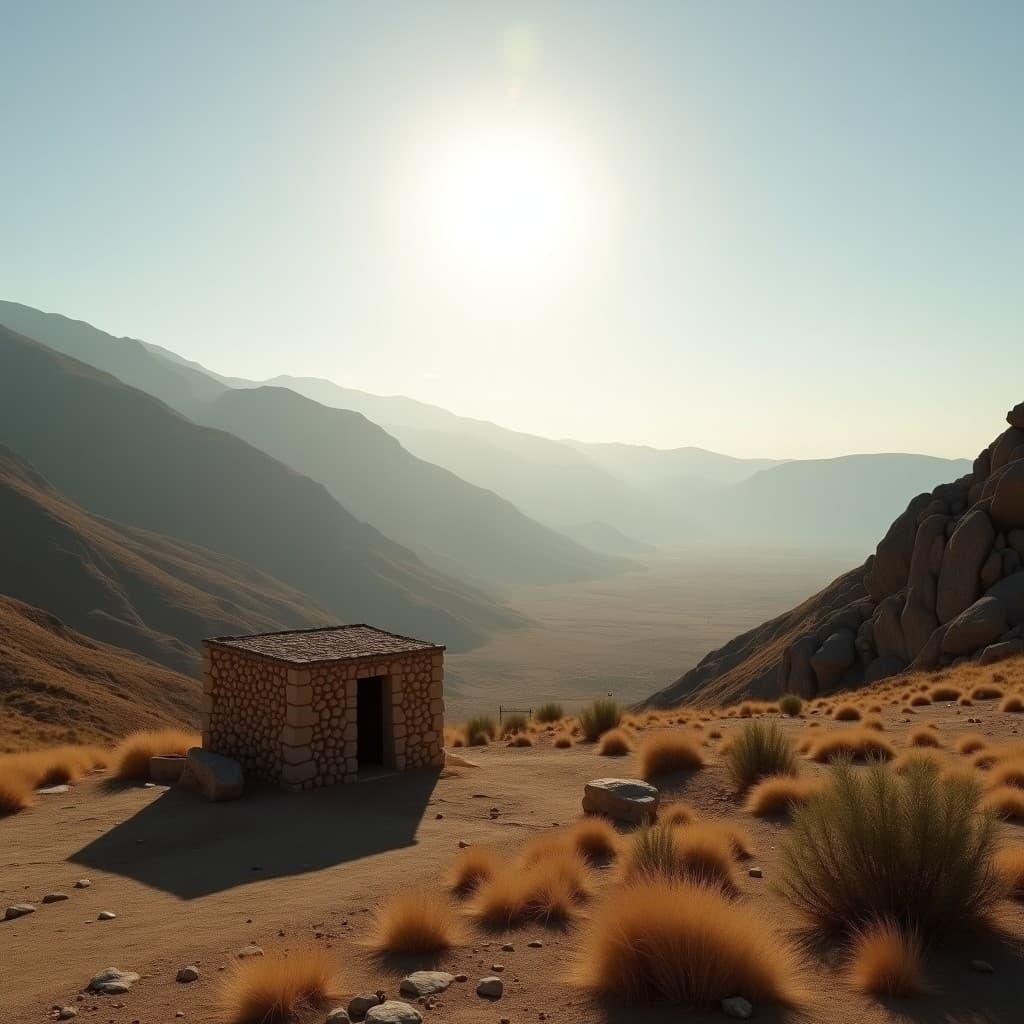
A gruelling heatwave sweeping across much of Europe is bearing down on Sardinia this weekend, with temperatures set to climb toward 40°C in the coming days, according to France 24. The severe heat is prompting emergency responses across the continent, but for Sardinia's interior — the granite highlands of the Barbagia and Gennargentu — the crisis compounds a longer, more intractable problem: the steady abandonment of pastoral and agricultural livelihoods that have anchored island life for centuries.
Sardinia's dual economy has long tilted toward the coast. Tourism data from tourism-review.com shows that open-air bookings across Italy climbed 34 percent since 2025, with 77 percent of inquiries coming from families and couples. The island's luxury Costa Smeralda and resort campgrounds have captured much of this surge. Meanwhile, the interior — where shepherding, grain cultivation and small-scale agriculture once sustained tight communities — has seen its young population drain away for decades. The heatwave now threatens what remains: crop stress, water scarcity and the collapse of pastoral margins already squeezed by climate volatility.
Foreign correspondents covering Mediterranean climate stress have noted that Italy's interior regions face critical pressure during summer peaks. For Sardinia, the pattern is acute. The island's special autonomy status gives it some policy flexibility, yet it remains dependent on EU cohesion funding and national support to sustain rural infrastructure and services. As temperatures climb and tourism dollars concentrate on the coast, the interior's economic isolation deepens.
The heatwave arrives as Sardinia enters its most intense seasonal period. France 24 reported on Saturday that much of Western Europe was experiencing record-breaking temperatures, with authorities ramping up emergency warnings. For an island already marked by aridity — Sardinia's Mediterranean climate is increasingly dry — the stress on agriculture and livestock is severe. Pastoral communities dependent on transhumance and seasonal grazing face water shortages and heat stress on herds.
The contrast with coastal tourism is stark. Campground and resort bookings across Italy have surged, with families seeking open-air experiences. Sardinia's established resort infrastructure and beaches have attracted a disproportionate share of this demand. The result is a widening economic gap: the coast prospers; the interior subsists on pension income, EU transfers and the memory of older livelihoods. Young people continue to leave, seeking work in cities or abroad.
Sardinia's demographic trajectory — the island's population has stagnated around 1.58 million and continues to age — reflects this uneven development. The interior's depopulation accelerates during summer, as seasonal workers migrate to coastal hospitality jobs or leave the island entirely. Climate stress, combined with structural economic disadvantage, makes pastoral and agricultural work increasingly unviable. The heatwave is not a new problem for Sardinia; it is the latest intensification of a chronic one.