
SARDEGNA
EU jet fuel crisis threatens Sardinian tourism logistics as summer peaks
Island's flight connectivity faces new strain as commercial supplies tighten despite Hormuz improvement
Gavino Sanna421 wordsEdition №29Sunday, 28 June 2026 — Edition № 29
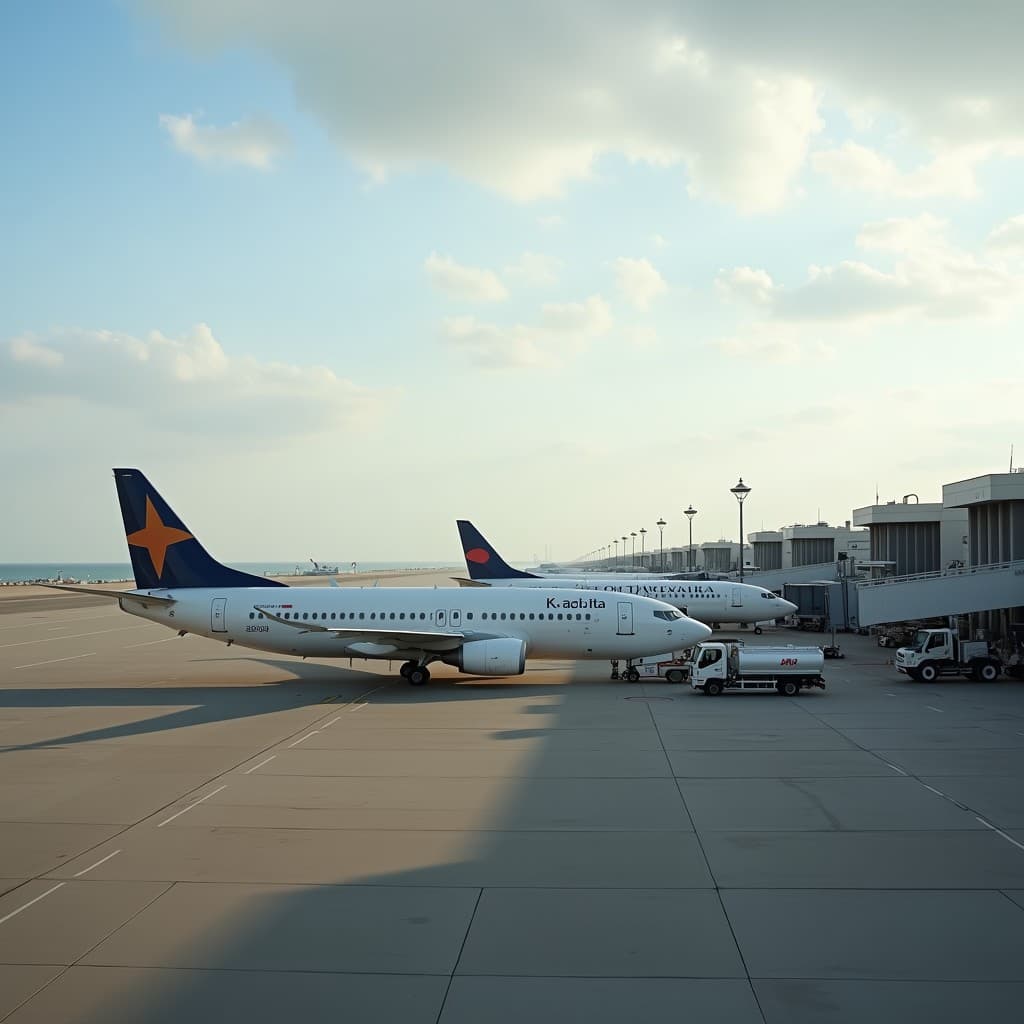
The European Union warned Friday that commercial supplies of jet fuel may deteriorate this summer despite recent improvements in the Strait of Hormuz, according to EU Energy Commissioner Dan Jorgensen's statement reported by the Local Italy. For Sardinia—an island economy built on attracting international visitors to its beaches, heritage sites and resorts—the prospect of tightened aviation fuel supplies poses a direct threat to the summer season when tourism drives employment and revenue across the island.
Sardinia's two main airports, in Cagliari and Olbia, handle millions of passengers annually, the majority arriving on charter and scheduled flights from continental Europe, the UK and increasingly from beyond the EU. A fuel supply crunch could force airlines to reduce frequencies, raise ticket prices, or reroute capacity to mainland hubs. The timing is particularly acute: the island is already managing the cascading effects of the continent-wide heatwave, which has disrupted transport and tourism infrastructure across Italy and Europe.
The fuel crisis also exposes the vulnerability of island economies to global supply-chain disruptions. Sardinia lacks refining capacity and depends entirely on imported fuel. Unlike mainland regions with road and rail alternatives, the island's connectivity to tourism markets—and to the labour and goods that tourism depends on—runs almost entirely through its airports and ports. A sustained fuel shortage could accelerate the shift of summer bookings to more accessible Mediterranean destinations.
The Local Italy's reporting suggests the problem may persist despite the easing of geopolitical tension in the Hormuz Strait, pointing to structural issues in global refining and distribution capacity. Europe's energy markets remain vulnerable to supply shocks, and aviation fuel is particularly sensitive to disruption because airlines cannot easily switch fuels or defer demand.
For Sardinia's interior—already depopulating as young people migrate to coastal tourism work or leave the island entirely—any contraction in tourism employment compounds the crisis. The heatwave has already strained the island's power grid and water supplies. A reduction in flight capacity would mean fewer visitors, lower occupancy at resorts, and reduced hours or layoffs for seasonal workers in hospitality and transport. The cascade effect reaches villages that depend on remittances from family members working in coastal tourism zones.
The Guardian's broader reporting on how climate change is reshaping European economies underscores that these crises are not isolated. Sardinia faces simultaneous pressures: extreme heat, water scarcity, aviation fuel tightness, and the structural decline of its interior. The island's economy is increasingly dependent on a single sector—tourism—at a moment when that sector faces multiple shocks. Diversification of the interior economy, long promised by regional and national governments, remains elusive.