
VALLE D'AOSTA
Sardinian beach imposes umbrella ban; mountain regions watch tourism-control model
South-east Sardinia introduces €10 fee and restrictions; Alpine valleys eye stricter access rules
Camille Bréan398 wordsEdition №13Friday, 12 June 2026 — Edition № 13
A beach in south-east Sardinia has introduced an umbrella ban and a €10 access fee, according to The Local Italy, in what appears to be the most stringent tourism-control measure yet deployed at an Italian seaside destination. The move reflects a shift from passive tolerance of overtourism to active gatekeeping. Sardinia, which has absorbed record visitor numbers in recent years, is experimenting with pricing and exclusion as tools to manage both environmental stress and visitor experience.
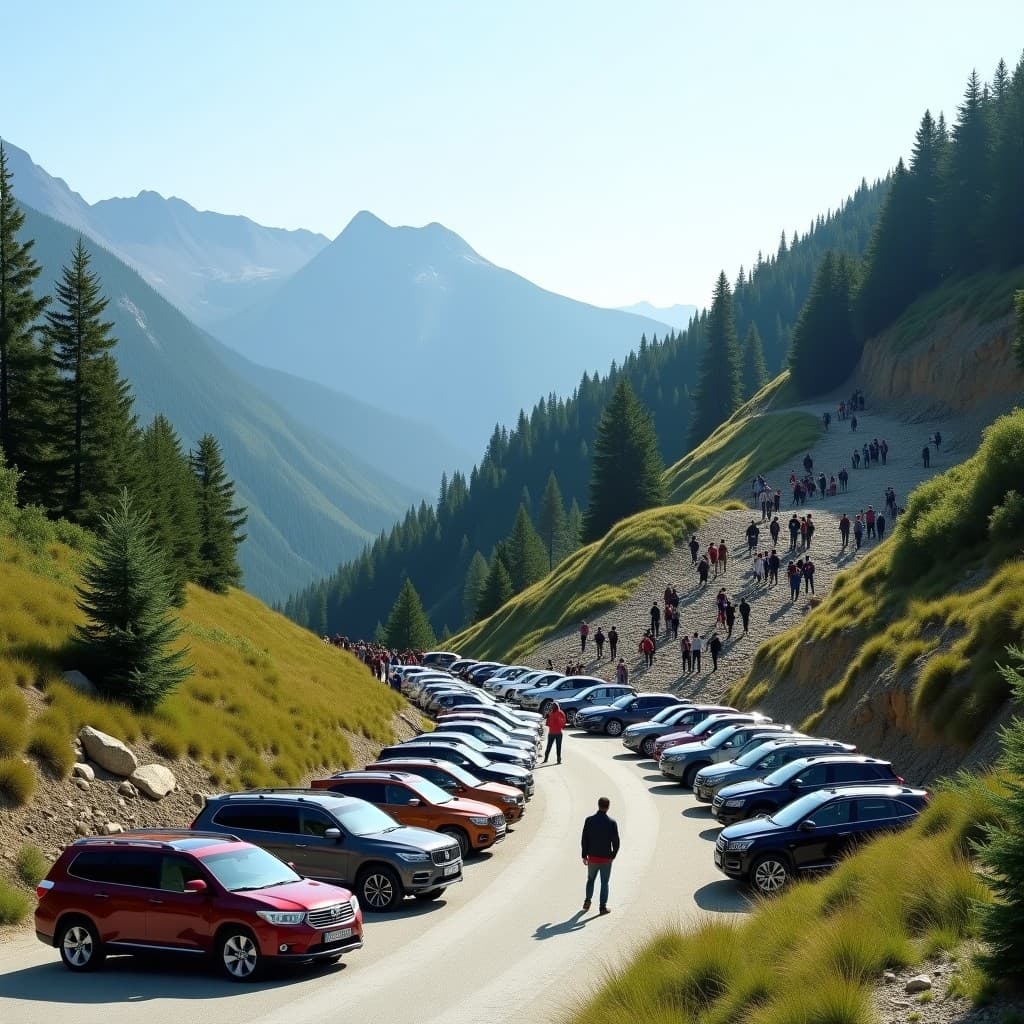
The model carries direct implications for Valle d'Aosta and other Alpine regions facing similar pressures. Where Sardinia's challenge is beach capacity and coastal erosion, the Alps face trail degradation, parking gridlock, and the strain on mountain infrastructure during peak season. The region has long wrestled with the paradox of tourism: it is the economic engine, yet each visitor generates environmental cost. A €10 beach fee or umbrella ban is crude, but it signals a willingness to impose friction on access.
Tourism management in the Alps has historically relied on soft measures—visitor education, trail maintenance, parking guidance. Valle d'Aosta has promoted off-season travel and dispersed tourism across valleys, but peak summer and winter seasons remain concentrated. The Sardinian precedent suggests a harder line: explicit pricing, capacity limits, and material restrictions on how visitors use space.
The regional government faces a delicate balance. Tourism revenue is essential to the local economy, yet unmanaged growth degrades the very landscape that draws visitors. The Dolomites and the Mont Blanc massif have already implemented reservation systems for certain trails and huts. A Sardinian-style beach fee translated to Alpine context might mean paid parking at trailheads, reservation requirements for popular routes, or seasonal visitor caps.
What distinguishes the Alpine case is the cross-border dimension. Visitors to Valle d'Aosta often move fluidly between Italy, France, and Switzerland. Unilateral restrictions could simply displace demand to adjacent valleys. The region's autonomy allows for some regulatory independence, but enforcement across three countries remains complex. The Sardinian model works within a single jurisdiction; the Alps demand coordination that Sardinia does not require.