
MOLISE
Sardinia's umbrella ban signals Italy's shift toward rationing beach access
A coastal town bars umbrellas for ages 10 to 65 as southern Italy grapples with overtourism and wildfire recovery—a model other regions may follow.
Antonio Petrella862 wordsEdition №15Sunday, 14 June 2026 — Edition № 15
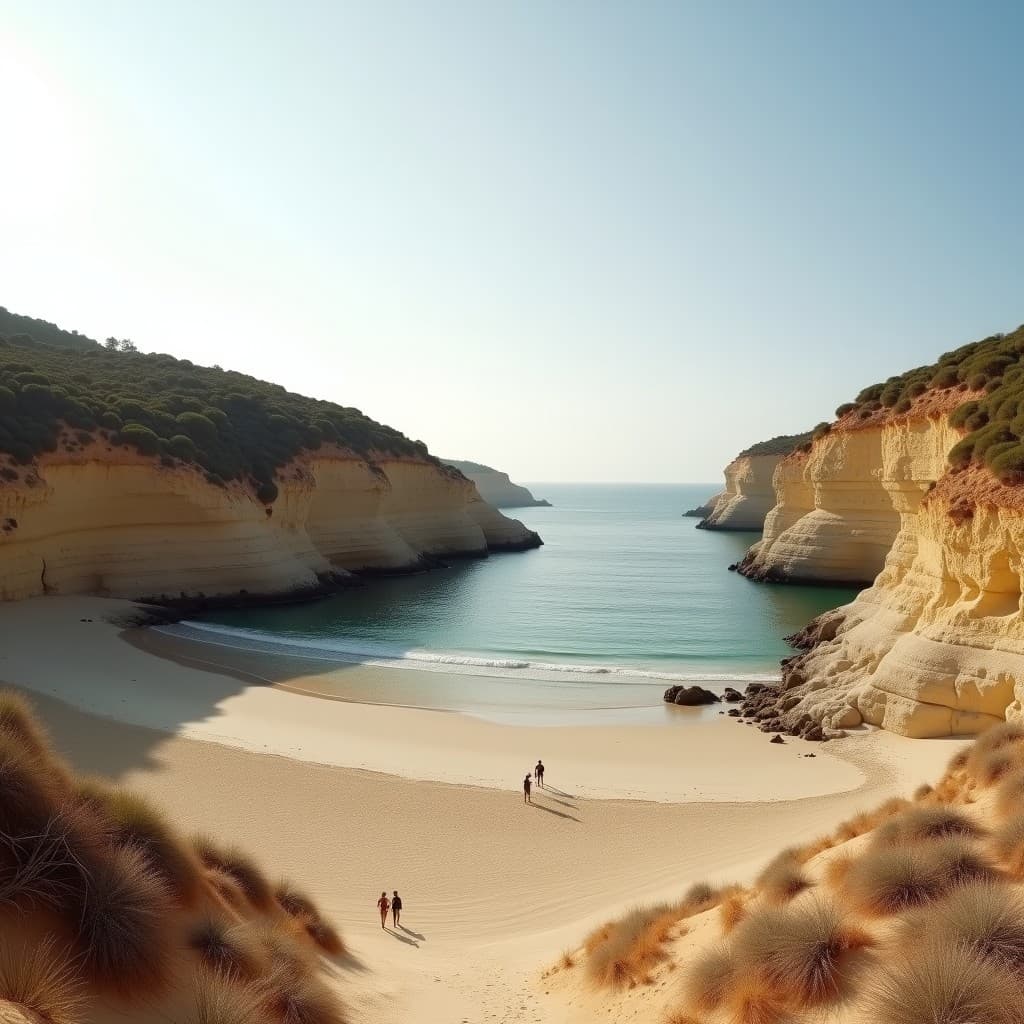
A beach in Villasimìus, Sardinia, has banned umbrellas for anyone aged 10 to 65, according to the BBC and the Guardian. The measure came into effect this month at Punta Molentis, a coastal site damaged in 2025 wildfires that swept across southern Sardinia. The ban is one of several restrictions introduced to manage visitor numbers and protect the recovering shoreline. The age-specific rule—permitting umbrellas only for the very young and the elderly—provoked incredulous responses across Italy, with some Italians joking that families should bring grandparents to the beach to stay within the law.
The underlying rationale is serious. Wildfires ravaged Sardinian coastal areas in 2025, destroying vegetation and destabilising dunes and cliff faces. Punta Molentis, a popular swimming spot, was among the affected beaches. The local administration has introduced visitor restrictions—including the umbrella ban, limits on beach furniture, and controlled access hours—to allow the ecosystem to recover without the weight of mass tourism. The Guardian reported that the measure reflects broader tensions across Italy's southern coast, where tourism revenue conflicts with environmental fragility and climate stress.
For Molise, the Sardinian model carries weight. The region's Mediterranean coastline, though modest in length compared to Sardinia's, faces similar pressures: seasonal tourism spikes, aging infrastructure, and climate-driven erosion. Molise has no major resort industry, but its small fishing villages and undeveloped beaches attract growing numbers of domestic and foreign visitors seeking alternatives to overcrowded Tuscany and the Amalfi Coast. The Sardinian precedent—using visitor restrictions not as punishment but as conservation—may offer Molise a template for managing its own fragile coastal heritage.
The umbrella ban captures a wider shift in how Italy's southern regions are approaching overtourism. For decades, the standard response to coastal degradation was to build more infrastructure: more hotels, more roads, more restaurants. But climate stress, water scarcity, and wildfire risk have made that model unsustainable. Sardinia is now experimenting with the inverse: rationing access and restricting the physical footprint of visitors.
The BBC and the Guardian both noted the public reaction to the age-specific rule. Italians on social media pointed out the absurdity: a 65-year-old could bring an umbrella, but a 64-year-old could not. The specificity of the age band suggested a calculation based on crowd-control data or dune-stress studies, yet the rule's apparent arbitrariness made it a target for mockery. That mockery, however, may mask a serious underlying issue: how does a region enforce conservation measures in a way that is both effective and politically acceptable to tourists who have paid to visit.
Molise's tourism economy is fragile and dispersed. The region has no single mega-resort or branded destination; instead, it relies on small-scale heritage tourism—visitors to the tratturi (ancient transhumance routes), to Albanian and Croatian minority villages, to medieval hilltop towns. Visitor numbers are modest compared to Sardinia's, but the infrastructure is also thinner. A sudden influx during summer months can strain local water supplies, waste management, and road capacity. The Sardinian model suggests that Molise could adopt similar restrictions—not as a permanent ban but as a seasonal or capacity-based measure—to protect the very qualities that draw visitors: unspoilt landscape, authentic villages, and cultural continuity.
The Guardian reported that Sardinia's restrictions are meant to be temporary, lasting through the summer season as the ecosystem recovers. That framing is important. The measure is not presented as a permanent closure but as a managed recovery period. For Molise, a similar approach could work: seasonal restrictions on vehicle access to fragile interior roads, visitor caps at heritage sites, or infrastructure improvements (water treatment, waste disposal) timed to tourist demand. The Sardinian precedent shows that such measures are now politically viable in Italy, even when they inconvenience visitors.
Whether other southern Italian regions will adopt similar models remains unclear. The Amalfi Coast, Calabria's Tyrrhenian shore, and Puglia's Adriatic beaches all face similar pressures. But Molise's position—small, underdeveloped, and conscious of its fragility—may make it an early adopter. The region's tourism board and local administrations have shown interest in sustainable tourism models in recent years. The Sardinian umbrella ban, for all its apparent oddness, may prove influential.