
VALLE D'AOSTA
Sardinia's umbrella ban signals shift in how Alpine regions may manage visitor pressure
Punta Molentis restrictions offer cautionary model as Valle d'Aosta weighs tourism sustainability amid recovery from wildfires.
Camille Bréan751 wordsEdition №15Sunday, 14 June 2026 — Edition № 15
A beach in south-east Sardinia has banned umbrellas and imposed a €10 entrance fee for most visitors, a measure introduced after 2025 wildfires devastated coastal areas across southern Sardinia. According to the BBC and the Guardian, the restrictions at Punta Molentis represent the most aggressive visitor-management system yet deployed on an Italian beach, targeting both the physical footprint of sun-seekers and the crowds themselves. The age-specific umbrella ban — excluding only those under 10 and over 65 — has drawn incredulous reactions from Italian media, but signals a broader European reckoning with mass tourism's toll on fragile landscapes.
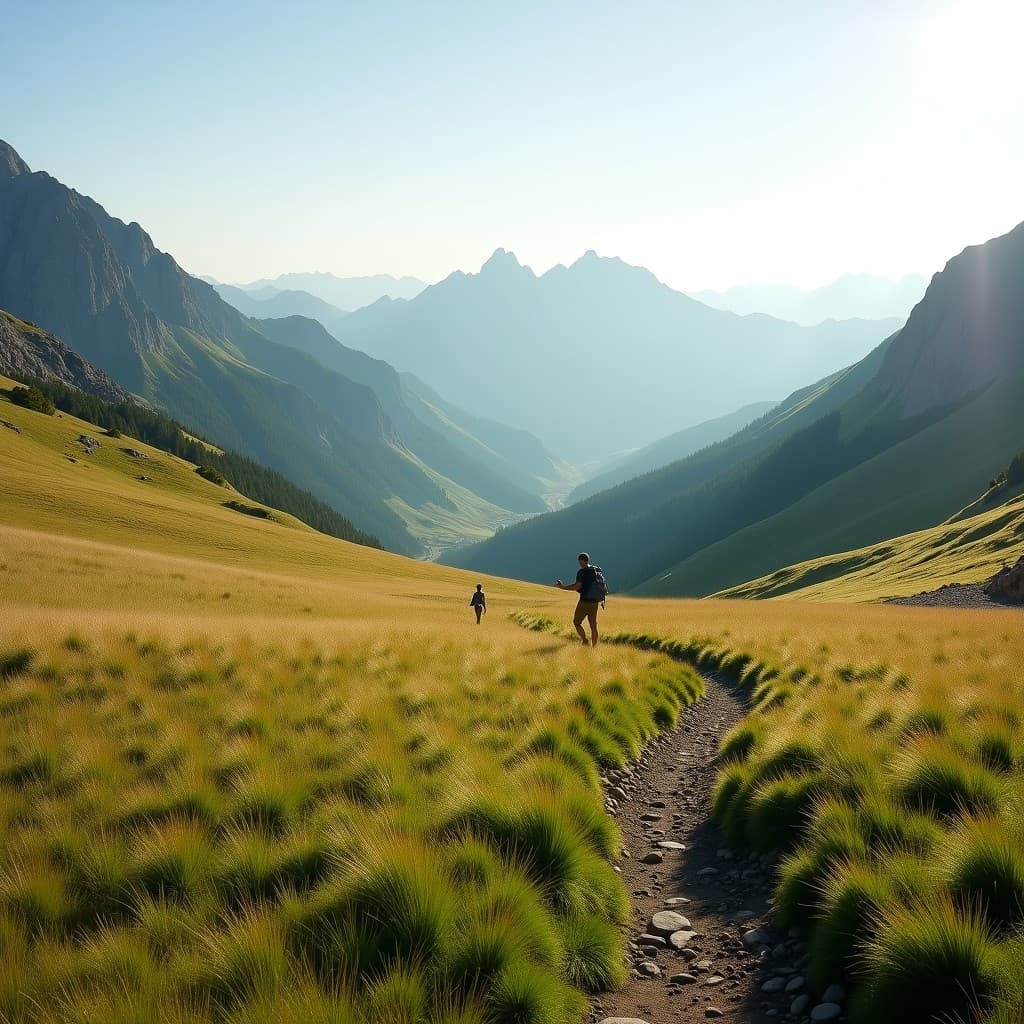
For the Valle d'Aosta, the Sardinian model carries direct relevance. The region's Alpine tourism infrastructure faces similar pressures: summer crowds, parking strain, trail erosion, and the ecological footprint of ski resorts and mountain huts. Unlike Sardinia's beach recovery, the valley's pressures stem from year-round tourism — ski seasons in winter, hiking and mountaineering in summer, and increasingly, cross-border day-trippers from France. The Financial Times' recent coverage of Alpine tourism noted how the Mont Blanc massif and surrounding valleys have seen visitor numbers rise sharply, with corresponding damage to high-altitude meadows and permafrost-sensitive terrain.
The Sardinian restrictions emerged from a specific crisis: 2025 wildfires burned coastal vegetation and destabilized dunes, forcing regional authorities to limit visitor access to allow ecological recovery. The Guardian reported that local officials framed the umbrella ban as a practical measure — fewer umbrellas mean less infrastructure, less ground disturbance, and easier monitoring of visitor behavior. The BBC noted that similar restrictions have been introduced on other Mediterranean beaches, though none as strict or as publicly controversial as Punta Molentis.
The Valle d'Aosta has not faced comparable wildfire damage in recent summers, but the region does confront its own environmental fragility. International climate science, reported by outlets including Deutsche Welle and the BBC, has documented how high-altitude ecosystems are uniquely sensitive to trampling, erosion, and heat stress. Alpine meadows above 2,000 meters recover slowly from damage; permafrost thaw is already destabilizing hiking trails and mountain infrastructure. The Financial Times' travel coverage has highlighted how overcrowding on popular Alpine routes — the Tour du Mont Blanc, the Gran Paradiso approaches — has led to visible trail degradation.
France 24 and international travel press have noted that Alpine tourism operators and local governments face a strategic choice: impose visitor caps and management fees now, or risk ecological degradation that will ultimately harm the tourism economy itself. The Sardinian model, though controversial, demonstrates one approach — though its age-specific restrictions remain unique and legally contested. Switzerland and Austria, according to Vogue's recent Alpine interiors coverage, have pursued different strategies, including shuttle systems, reservation requirements, and seasonal closures on fragile trails.
The Valle d'Aosta's autonomy status — as one of Italy's five special-autonomy regions — gives it legislative flexibility to implement visitor-management measures independently of Rome. However, no international coverage has reported specific proposals from regional authorities. Cross-border coordination with France and Switzerland would likely be necessary for any effective system, given that much Alpine tourism flows across the Mont Blanc frontier. The regional tourism sector, which depends on open access and ease of movement, has not publicly embraced restrictions, and international reporting on Alpine tourism policy remains limited to general trend analysis rather than specific Valle d'Aosta initiatives.