
EMILIA-ROMAGNA
Emilia-Romagna opens 3D-printed research site for sustainable living
Shamballa project on regional hills explores self-sufficient architecture and advanced construction
Giulia Benati380 wordsEdition №23Monday, 22 June 2026 — Edition № 23
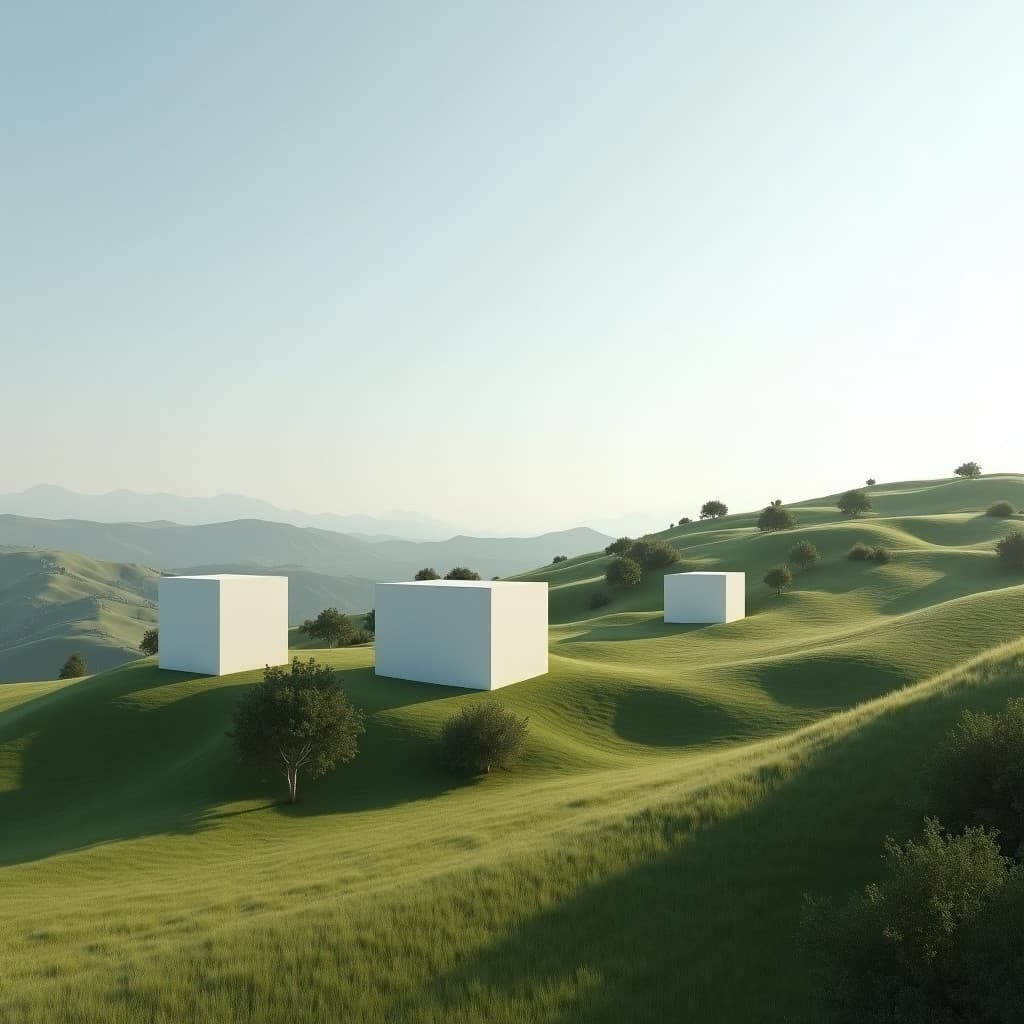
Shamballa, an 8-hectare research site exploring sustainable living through advanced 3D printing and architectural innovation, was inaugurated on June 8, 2026, in the hills of Emilia-Romagna, according to ArchDaily. The project is a collaboration between WASP, a 3D printing technology company, and partners working on self-sufficient design and construction methods. The site functions as both a laboratory and an open-air demonstration of how digital fabrication and sustainable principles can be integrated into built environments.
The project reflects Emilia-Romagna's established strength in advanced manufacturing and engineering. The region has long been home to world-leading machinery producers—from packaging equipment to automotive and motorcycle engineering—and Shamballa extends that expertise into the frontier of 3D construction. ArchDaily's reporting did not detail specific partnerships with regional engineering firms or the precise technological methods used, but the location in the regional hills suggests an intention to ground the research in the productive landscape that has defined Emilia-Romagna's economy.
The initiative also aligns with the region's growing focus on climate adaptation and resilience. Since the devastating 2023 floods, Emilia-Romagna has been at the centre of European discussions about how regions can redesign infrastructure and settlement patterns to withstand climate extremes. Shamballa's emphasis on self-sufficiency and sustainable design speaks to that conversation, though ArchDaily's coverage did not specify how the site's research might inform post-flood reconstruction or regional climate policy.
For a region whose cooperative and welfare traditions have long shaped its civic identity, Shamballa's model of collaborative research and open-air demonstration carries particular resonance. The site is designed as a laboratory accessible to researchers and visitors, echoing the cooperative principle of shared knowledge and collective benefit that underpins much of Emilia-Romagna's institutional life. ArchDaily described it as a research site, suggesting that the project is intended to generate knowledge and methods that extend beyond the 8 hectares itself.
The international coverage does not yet detail whether Shamballa's methods or findings will be tested in regional reconstruction efforts, or how the site might influence building codes or planning policy in Emilia-Romagna. But the project's location—in the hills rather than on the productive plain—and its focus on self-sufficient systems suggest an attempt to explore how settlement and production might be reimagined in a region facing both climate stress and economic transition.