
SCIENCE
Shamballa opens as 3D-printed research site for sustainable living in Emilia-Romagna hills
Eight-hectare laboratory explores self-sufficient architecture and advanced construction techniques
Giulia Benati422 wordsEdition №20Friday, 19 June 2026 — Edition № 20
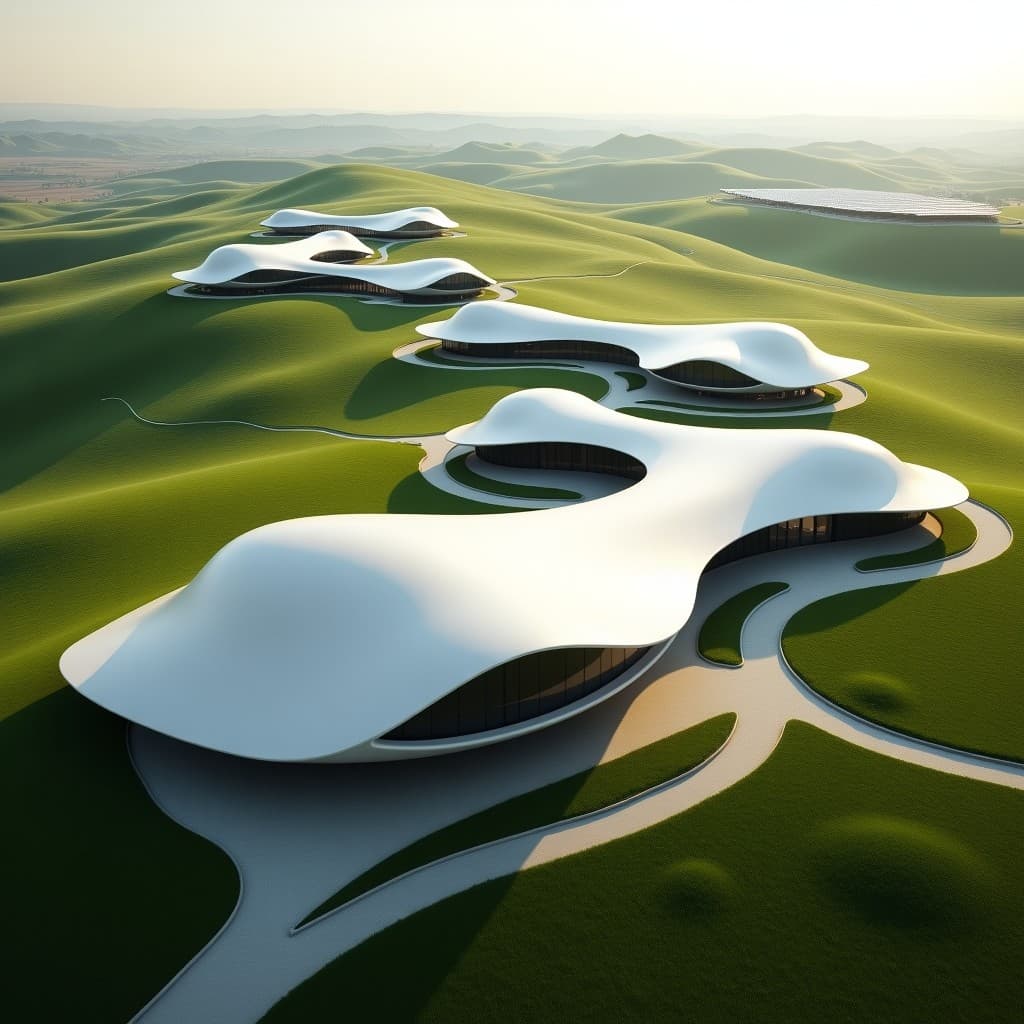
Shamballa, an 8-hectare open-air laboratory and research site dedicated to sustainable living and advanced architectural 3D printing, was inaugurated on June 8, 2026, in the hills of the Emilia-Romagna region, according to ArchDaily. The project is a collaboration between WASP, a 3D printing technology company, and partners focused on testing self-sufficient building systems, renewable energy integration and materials research. The site serves as both a functional community space and an experimental platform for construction techniques that could reshape how buildings are designed and manufactured.
The project sits at the intersection of two themes that have gained prominence in international coverage of Italy: climate adaptation and innovation in manufacturing. Emilia-Romagna has long been known for precision engineering and cooperative manufacturing models; Shamballa extends that tradition into architectural technology. The site's focus on self-sufficiency — water harvesting, renewable energy generation, waste management — reflects the region's exposure to climate stress, particularly the devastating 2023 floods that affected much of the Po Valley and prompted international discussion of how Italian regions might build climate resilience.
ArchDaily's coverage emphasises Shamballa as a research environment where construction techniques can be tested at scale before wider adoption. The 3D printing process allows for rapid prototyping of building components and structures, potentially reducing waste and construction time compared to conventional methods. For a region with a strong tradition of manufacturing innovation, the project represents an extension of that expertise into the built environment.
WASP, the Bologna-based 3D printing company that led the project, has positioned Shamballa as an open laboratory where researchers, architects and engineers can collaborate on sustainable building systems. The site includes residential and communal structures, each designed to test different aspects of self-sufficiency: solar arrays, rainwater collection, waste composting systems and thermal design. By housing researchers and visitors on the site, Shamballa functions as both a demonstration project and a working research station.
The international press has increasingly covered Italy's climate vulnerability and the adaptive measures being tested across regions. The 2023 floods, which affected Emilia-Romagna severely, prompted foreign media to examine how the region might rebuild with greater resilience. Shamballa's focus on water management, renewable energy and modular construction techniques speaks to that broader conversation. The project also reflects a global trend in which wealthy regions are investing in experimental architecture and sustainable living models, with Italy — long a destination for design and cultural tourism — positioning itself as a laboratory for such work.
For the region's manufacturing and engineering sectors, Shamballa may serve as a proof-of-concept for new supply chains. If 3D-printed construction components become viable at scale, Emilia-Romagna's existing machinery makers and materials suppliers could find new markets. The site's emphasis on local materials and closed-loop production aligns with the region's cooperative tradition, in which manufacturers work closely with regional suppliers and communities.