
REGIONAL
Shamballa 3D-printed research site opens in Emilia-Romagna hills as sustainable-living laboratory
Eight-hectare facility explores self-sufficient architecture and advanced construction printing in collaboration with WASP, signalling region's pivot toward climate-adaptive building.
Giulia Benati362 wordsEdition №17Tuesday, 16 June 2026 — Edition № 17
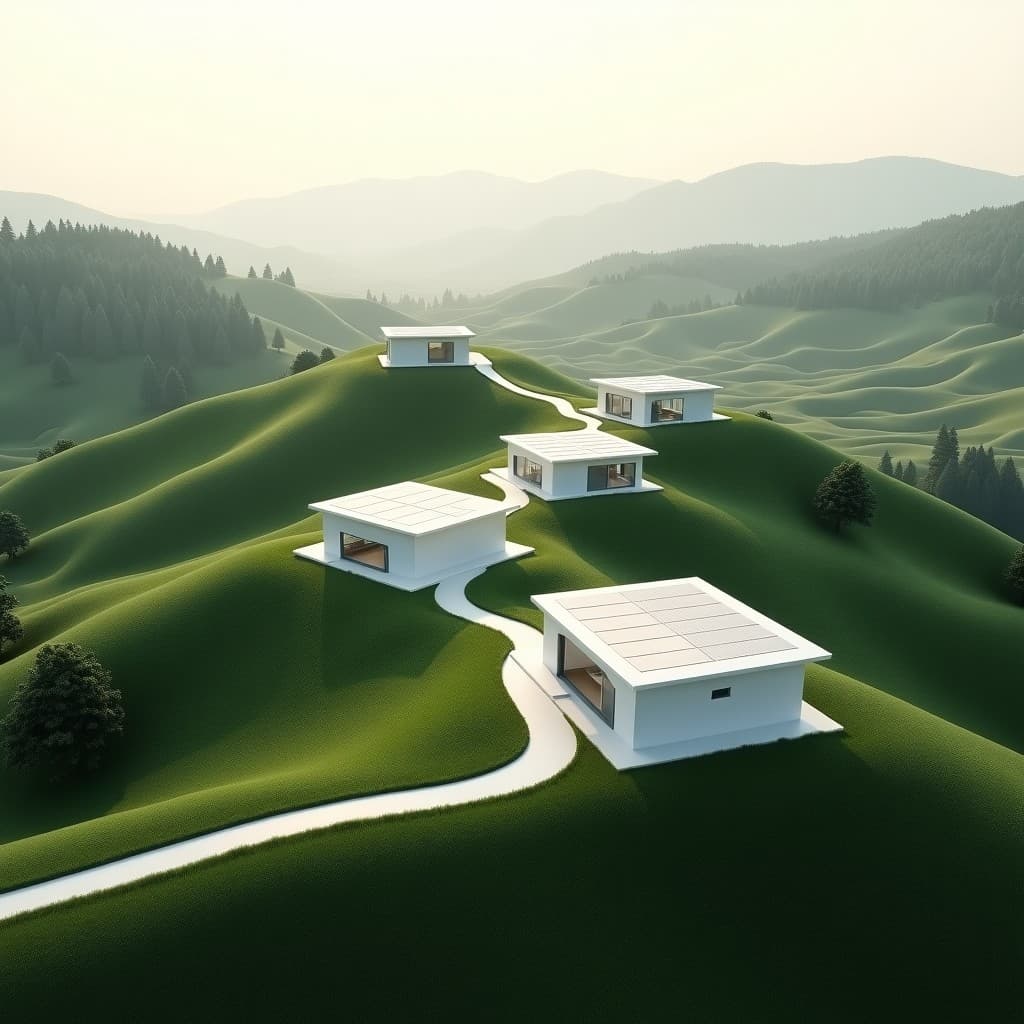
Shamballa, an open-air laboratory for sustainable living and advanced architectural 3D printing, was inaugurated on 8 June in the hills of Emilia-Romagna, according to ArchDaily. The project, developed in collaboration with WASP, a 3D printing technology firm, spans eight hectares and is designed to explore self-sufficient building systems, renewable energy integration and circular construction practices. The facility represents a departure from the region's traditional focus on food, machinery and engineering toward climate adaptation and experimental architecture.
The site's location in the Emilia-Romagna uplands reflects a broader regional interest in resilience following the 2023 floods that devastated the lowland plain. ArchDaily reported that Shamballa will serve as a research and demonstration site where architects, engineers and sustainability practitioners can test 3D-printed construction methods, water management systems and food production on a working landscape. The project sits within a European context of growing investment in climate-adaptive building, a theme that foreign architecture and sustainability press has tracked as Mediterranean and Central European regions face intensifying heat, flooding and water stress.
WASP, based in Ravenna in the neighboring Veneto region, has pioneered large-scale 3D printing for building construction, a technology that reduces material waste and labour intensity compared to conventional masonry. The Shamballa site will test whether 3D-printed structures can be integrated into rural landscapes without disrupting agricultural production—a significant question for a region where food economy and land use remain inseparable. ArchDaily did not specify which crops or livestock systems would operate alongside the research structures, nor did it detail partnerships with regional agricultural cooperatives, which have historically shaped land-use decisions in Emilia-Romagna.
The timing of the site's opening carries implicit weight. Emilia-Romagna's civic and cooperative traditions have emphasized collective welfare and environmental stewardship; Shamballa's emphasis on self-sufficiency and closed-loop resource systems echoes those values while addressing climate realities that the 2023 floods made undeniable. Whether the research translates into policy or investment in rural building standards across the region remains unclear from ArchDaily's reporting, though the site's public research mission suggests an intent to influence broader construction practice in flood-prone areas.