
SICILIA
Sicily's farms brace as Mediterranean heatwave intensifies
Record temperatures threaten water supplies and harvests across the island as Europe's heat crisis deepens
Concetta Vassallo387 wordsEdition №29Sunday, 28 June 2026 — Edition № 29
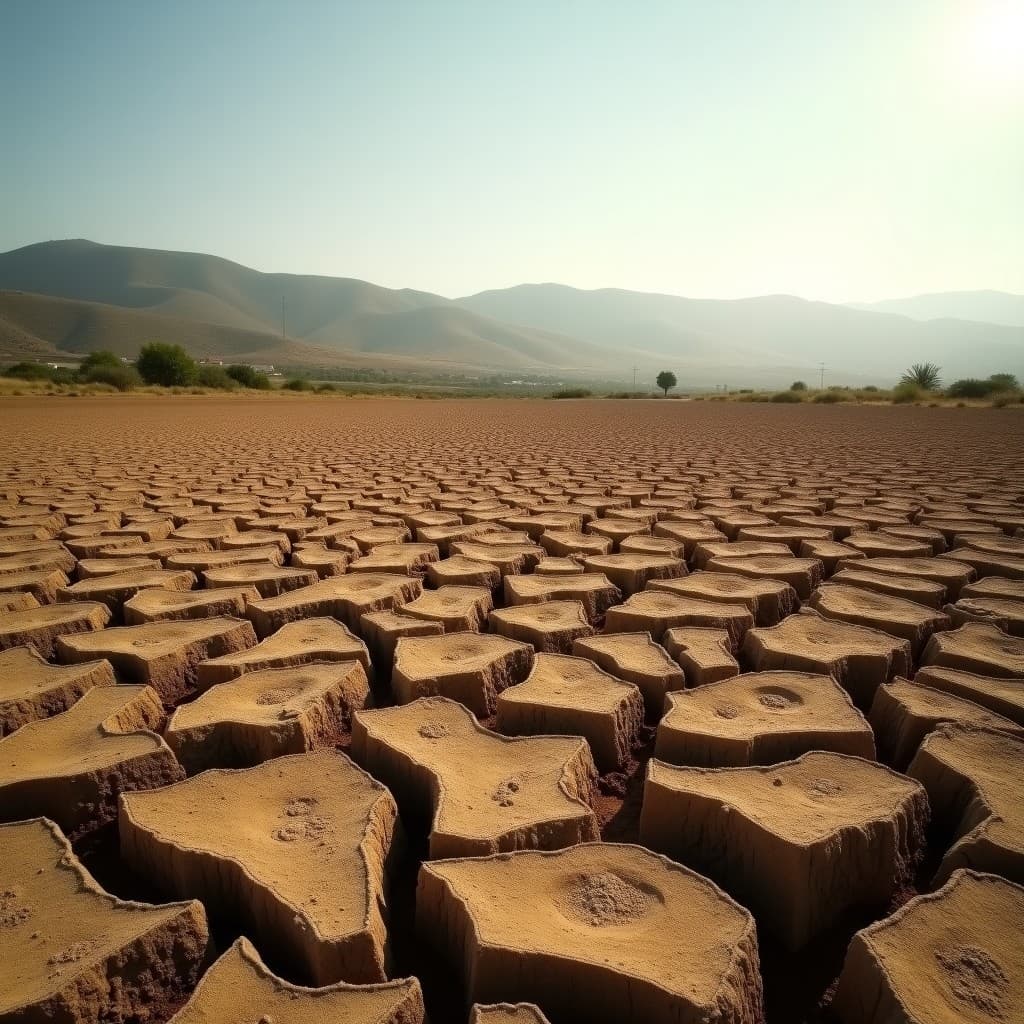
A heatwave gripping Europe has intensified across southern Italy, with Sicily experiencing record temperatures that threaten the island's agriculture and water infrastructure. According to the Guardian, Germany and Italy are sweltering as records tumble across Europe, with at least 193 million people across the continent facing temperatures above 35 degrees Celsius. The Local Italy reported that the heatwave is hitting Italy's farming heartland with particular force, as seawater seeps into the nation's longest river amid drought conditions.
Sicily's exposure to the Mediterranean climate makes it especially vulnerable to the heat crisis. The island's agricultural economy—centred on wheat, citrus and olive production—depends on irrigation systems already strained by years of declining rainfall. The Guardian's coverage notes that climate scientists have attributed the intensity of the record-breaking heatwave to human-caused climate change. Water reserves that typically sustain summer cultivation are depleting faster than in previous years, forcing farmers to choose between rationing irrigation and accepting reduced yields.
The consequences ripple beyond individual farms. Sicily's public water utility faces mounting pressure to balance domestic supply for Palermo's 660,000 residents and surrounding towns against agricultural demand. Tourism, another pillar of the island's economy, also depends on reliable water supply for hotels and restaurants that serve the millions of visitors who arrive each summer. The strain on infrastructure is compounded by Sicily's ageing population and limited investment in modernising irrigation systems.
The regional lens reveals a deeper vulnerability. Sicily sits at the southern frontier of Europe, where climate stress is arriving earlier and more severely than in the north. The island's agricultural workers—many of them migrants from North Africa and sub-Saharan Africa—face the most acute exposure to heat without adequate shelter or cooling facilities, a pattern the Guardian has documented across southern Italian farming regions. The heatwave thus intersects with the labour and migration questions that define Sicily's position in European affairs.
Experts quoted by the international press point to the urgency of adaptation. Water storage infrastructure, crop diversification toward heat-resistant varieties, and labour protections for farm workers are among the measures needed to shield Sicily's agriculture from intensifying climate stress. Yet such changes require investment and coordination that Sicily's regional government, constrained by Italy's broader fiscal pressures, has struggled to mobilise at the necessary scale.