
SICILIA
Sicily's tourism pivot: boutique hotels reshape Mediterranean leisure
As international chains expand across the island, smaller properties signal a shift toward curated travel in Europe's southern frontier.
Concetta Vassallo323 wordsEdition №25Wednesday, 24 June 2026 — Edition № 25
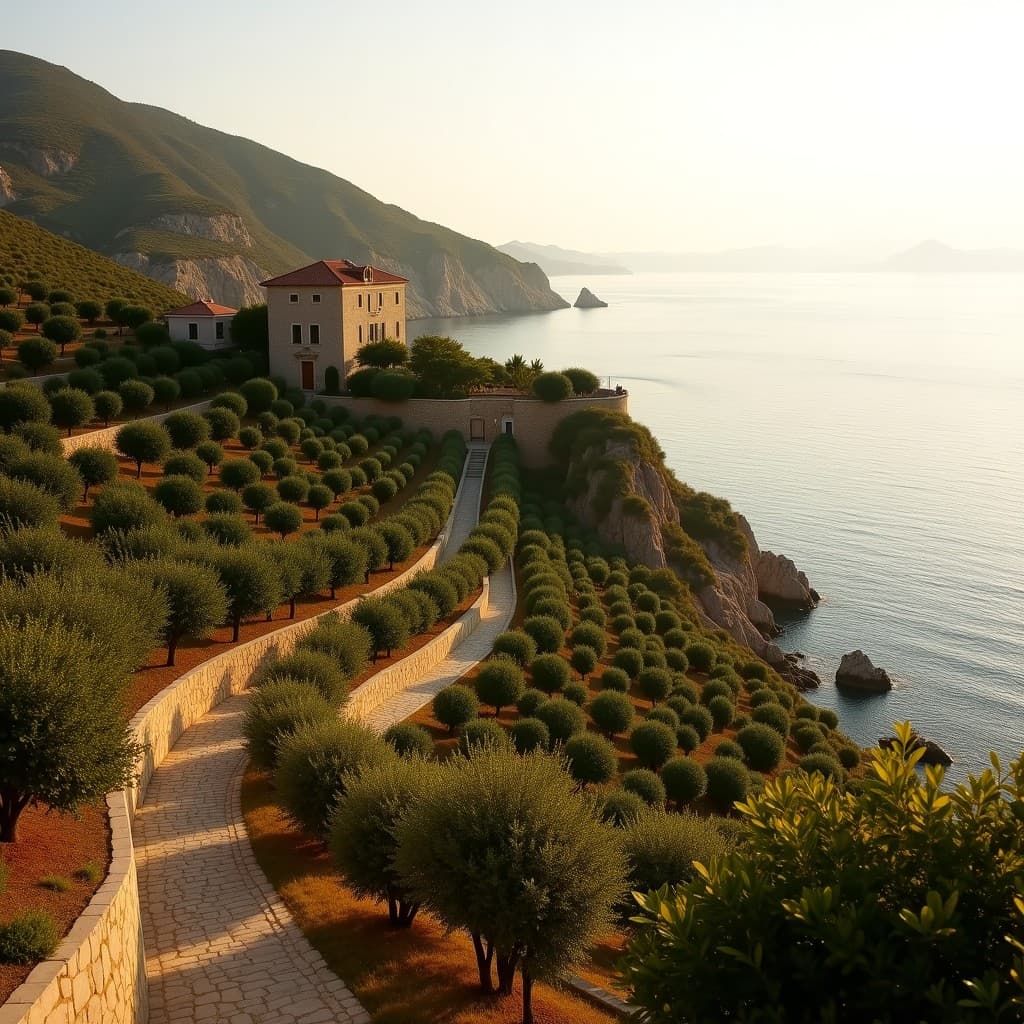
The New York Times reported this week that boutique hotels are expanding across southern Europe, with properties emerging from Florence to Malta as alternatives to mass tourism. Sicily, positioned between these markets, is experiencing its own wave of curated accommodation. Hospitality Net reported on Monday that Hyatt will open three hotels in Italy by 2028, including a Hyatt Regency and Thompson Hotels property in Taormina, on Sicily's northeastern coast, adding 428 rooms across the portfolio. The move signals international confidence in the island's leisure market at a moment when European tourism is reshaping itself around smaller, design-led properties rather than conventional chains.
The timing reflects a broader recalibration. Foreign travel writers have long noted that Sicily's appeal lies in its layered history and relative distance from the over-touristed circuits of Venice and Florence. The boutique model aligns with this positioning: intimate scale, curated experience, heritage-conscious design. Yet the expansion also marks a critical threshold. Sicily's infrastructure—water systems, waste management, heritage preservation in towns like Palermo and Syracuse—already strains under seasonal tourism. The Guardian published a travel feature this week on Vendicari, a wetland nature reserve south of Syracuse preserved from development, illustrating the island's fragile ecological value as a destination. Adding rooms and suites, even in boutique form, intensifies the pressure on a region where water scarcity and climate stress are already acute.
The boutique expansion also reflects a shift in how international operators view the Mediterranean. Rather than compete on scale with established resorts, newer entrants are positioning themselves as gatekeepers to authenticity—a marketing posture that depends on the very scarcity and preservation that tourism itself threatens. For Sicily, the question is whether the island's regional government can enforce the environmental and heritage protections that justify the boutique positioning in the first place, or whether growth will hollow out the experience that makes the investment attractive.