
PUGLIA
Spanish Olive Oil Pushes U.S. Marketing as Puglia Faces Brand Competition
Madrid's oil industry hires major U.S. agency; Puglia's producers watch market share shift in world's largest food market.
Francesca Lazzari1,356 wordsEdition №10Wednesday, 10 June 2026 — Edition № 10
Spain's olive oil exporters have selected Havas Miami as their U.S. advertising agency, according to MediaPost, marking a coordinated effort to expand market share in the United States. The appointment reflects a strategic shift by Spanish producers to invest in brand-building and consumer marketing in America's food market — a territory where Italian olive oil, particularly from Puglia, has historically dominated foreign imports.
The move carries direct implications for Puglia's olive oil sector, which has built its international reputation on quality, tradition, and the region's Protected Designation of Origin (PDO) status for extra-virgin oils. Spain is the world's largest olive oil producer by volume, but Italian oils — especially those from Puglia and other southern regions — have commanded premium prices in American supermarkets and specialty food stores, where consumers associate Italian olive oil with authenticity and superior taste.
Puglia produces roughly 30 percent of Italy's olive oil and exports significant volumes to North America, making the U.S. market a critical revenue source for the region's agricultural economy. A coordinated Spanish marketing campaign targeting American consumers could reshape purchasing patterns, particularly among price-sensitive buyers or those unfamiliar with the distinctions between Spanish commodity oils and Italian premium varieties.
The appointment of Havas Miami by Spain's olive oil industry signals a recognition that market share in the United States is not guaranteed by production volume alone. Spain produces roughly 45 percent of the world's olive oil, yet Italian oils have maintained premium positioning in American markets — a testament to effective branding, historical relationships with Italian-American communities, and the association of Italian food products with quality and tradition. Puglia, as the largest olive oil-producing region in Italy, has benefited from this positioning for decades.
The U.S. olive oil market is substantial and growing. American consumption of olive oil has increased steadily over the past twenty years, driven by health consciousness, Mediterranean diet trends, and the expansion of specialty food retail. According to international food trade data, the United States imports hundreds of thousands of tons of olive oil annually, with Italy and Spain accounting for the majority of foreign supply. Within that market, Italian oils command higher per-unit prices than Spanish oils, reflecting both quality differences and brand positioning.
Puglia's advantage in the American market rests on several factors. The region's PDO designation for extra-virgin olive oil carries legal weight and consumer recognition in the United States, where food labeling standards are enforced by the FDA. Puglia's oils are marketed as products of a specific terroir — the limestone soils, Mediterranean climate, and centuries-old cultivation practices that define the region. American consumers willing to pay premium prices for olive oil often seek these markers of authenticity and regional identity.
Yet Spain's decision to hire a major U.S. advertising agency suggests that Spanish producers believe they can compete on marketing rather than ceding the premium segment entirely. Spain's oils, while often positioned as commodity products, include high-quality extra-virgin varieties that can rival Italian oils in taste and nutritional profile. The difference has historically been one of brand awareness and consumer perception rather than objective quality. A coordinated U.S. marketing campaign could shift that perception.
The appointment of Havas Miami is significant because it indicates a shift from passive export to active consumer marketing. Rather than relying on distributors and retailers to sell Spanish olive oil on its merits, Spanish producers are investing in advertising, likely targeting television, digital, and print media in the United States. This approach mirrors successful campaigns by other food industries — French wine, Norwegian salmon, Greek feta — that have used coordinated marketing to build brand recognition and command premium prices.
For Puglia, the competitive threat is real but not immediate. The region's olive oil sector has built deep relationships with American importers, distributors, and retailers over decades. Puglia's oils are stocked in specialty stores, high-end supermarkets, and Italian-American food shops across the United States. These distribution channels are not easily displaced by a single marketing campaign. However, if Spanish producers succeed in capturing shelf space in mainstream supermarkets — where most American consumers purchase olive oil — the impact on Puglia's export volumes and prices could be significant.
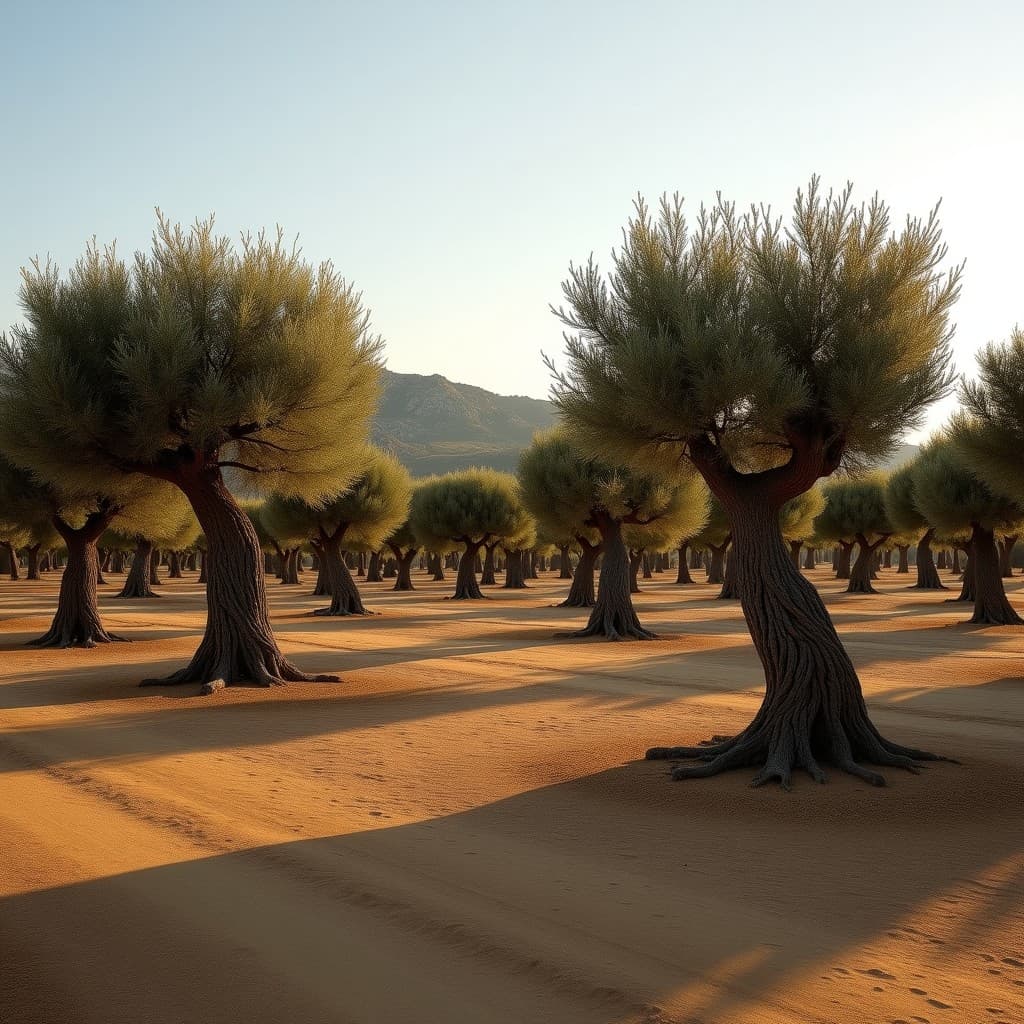
The regional economy of Puglia depends substantially on olive oil exports. The sector employs tens of thousands of people across cultivation, harvesting, milling, and export operations. Olive oil production is also culturally central to Puglia's identity; the region's landscape is defined by ancient olive groves, and the oil is a cornerstone of Puglian cuisine. Economic pressure on the sector would ripple through rural communities, particularly in the Salento peninsula, where olive cultivation is a primary livelihood.
Puglia's producers have their own marketing assets. The region's olive oil has been protected by PDO designation since 1998, a legal framework that Spain's commodity oils cannot match. Puglia's oils are traceable to specific sub-regions — Collina di Brindisi, Terra di Bari, Dauno — each with distinct flavor profiles and production methods. These distinctions are meaningful to informed consumers and can justify premium pricing. However, they require consumer education, which demands marketing investment.
The broader context is one of agricultural consolidation and globalization. Puglia's olive oil sector has faced pressure in recent years from disease — particularly Xylella fastidiosa, which has devastated olive groves across the region — and from climate stress, including drought and changing rainfall patterns. Simultaneously, the sector has seen investment from larger agricultural corporations and consolidation among producers. A Spanish marketing push in the U.S. market adds competitive pressure to an already stressed sector.
Puglia's response to Spanish competition will likely involve several strategies. First, producers may invest in their own marketing, particularly in digital channels and specialty food media that reach affluent American consumers. Second, the region may emphasize sustainability and organic certification, differentiating Puglian oils from Spanish commodity products. Third, producers may seek to strengthen relationships with American chefs, food writers, and influencers who can advocate for Puglian oils in their work.
The appointment of Havas Miami also reflects broader shifts in global food trade. As production becomes more commodified and margins compress, producers increasingly compete on brand and marketing rather than price. This shift favors regions with strong brand identity and access to marketing capital. Puglia has the former but has historically relied on Italian national marketing efforts rather than regional campaigns. A Spanish competitor investing in U.S. marketing may force Puglia to reconsider its approach.
International trade dynamics also matter. The United States has been a relatively open market for olive oil imports, though tariffs and trade policy can shift. Spain's investment in U.S. marketing suggests confidence in continued market access. For Puglia, any disruption to trade relationships — whether through tariffs, regulatory changes, or shifts in U.S. agricultural policy — could alter the competitive landscape. The region's producers will be watching both the Spanish campaign and broader trade developments.
The long-term question for Puglia is whether the region can maintain its premium positioning as Spanish producers invest in brand-building. The answer likely depends on whether Puglia's producers can effectively communicate the region's unique qualities to American consumers — and whether they can do so at a scale and cost comparable to a coordinated Spanish campaign. The appointment of Havas Miami is a signal that Spanish producers believe the U.S. market is worth fighting for. Puglia's response will shape the region's agricultural economy for years to come.