
LAZIO
Traditionalist bishops defy pope in Swiss ceremony
Society of St. Pius X consecrates four new bishops despite Vatican warnings of excommunication
Davide Ruspoli453 wordsEdition №33Thursday, 2 July 2026 — Edition № 33
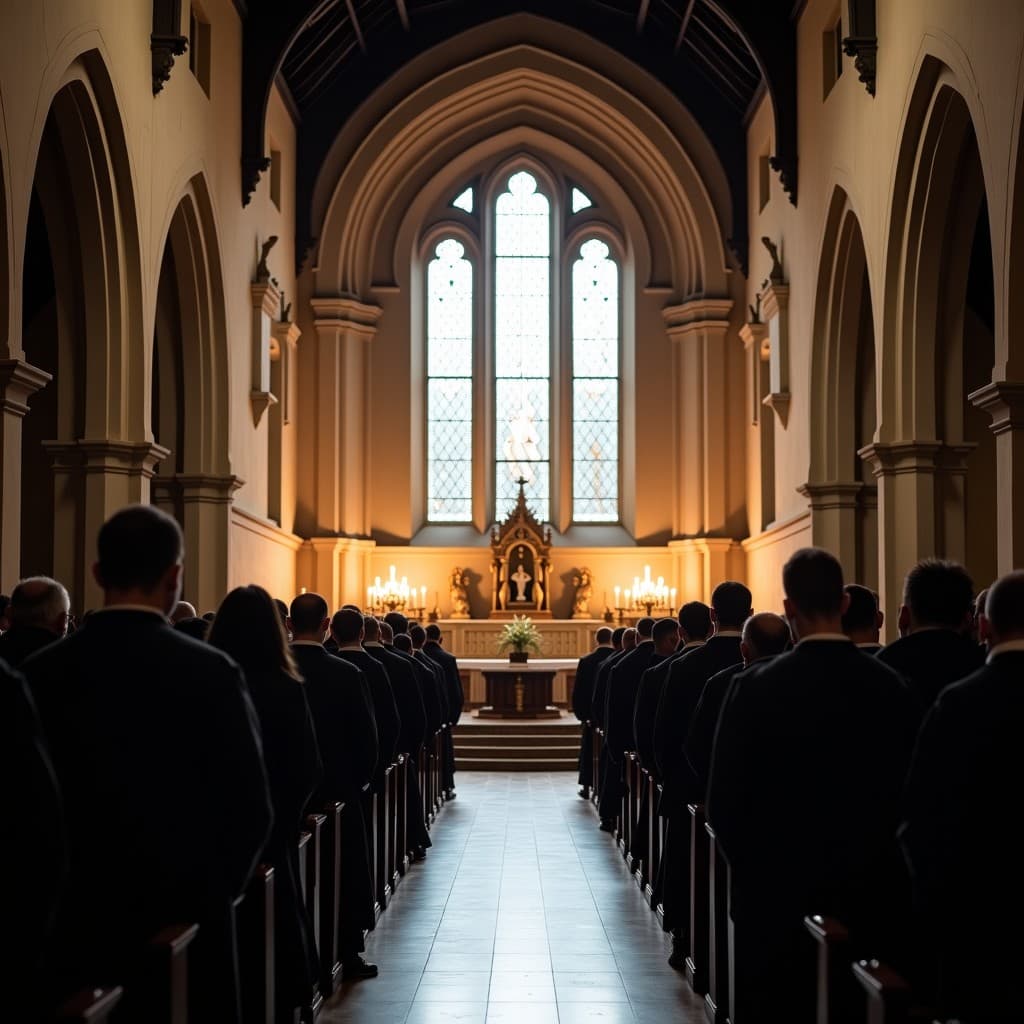
The traditionalist Society of St. Pius X consecrated four new bishops in a ceremony in Switzerland on Wednesday, directly contravening the Vatican's explicit warnings that the act would result in excommunication. The New York Times reported that thousands of worshippers witnessed the rite, in which the two remaining bishops of the fundamentalist group laid hands on their successors in what the Vatican has deemed a schismatic act. By proceeding with the consecrations, all six bishops—the two existing and the four newly ordained—incurred automatic excommunication under Catholic canon law.
The defiance marks an escalation in the long-running rupture between the ultraconservative movement and Rome. Cardinal Gerhard Müller, the former head of the Vatican's doctrinal office, had appealed just days earlier for the re-establishment of a Vatican commission to help disaffected SSPX members return to full communion with the pope, according to the Pillar. His June 26 speech at an extraordinary consistory of the College of Cardinals in Rome condemned the society's traditionalist stance, but the appeal went unheeded.
The Society of St. Pius X, founded in 1970 by French archbishop Marcel Lefebvre, has long rejected the reforms of the Second Vatican Council and maintains its own seminaries, schools and parishes outside Vatican oversight. The group has operated in a state of suspended excommunication since 1988, when Lefebvre consecrated bishops without papal permission. Le Monde reported that the Wednesday ceremony represents the society's most overt challenge to papal authority in decades, effectively cementing a de facto schism within the Catholic Church.
The Vatican's response to the consecrations underscores the deepening theological and jurisdictional crisis within global Catholicism. Pope Leo XIV had personally urged the society to abandon what the Holy See termed a 'schismatic act,' but the group's leadership dismissed the pontiff's pleas. The excommunications are formal in nature—automatic under canon law—yet carry symbolic weight in a Church already fractured by disputes over liturgy, doctrine and ecclesial authority.
From Rome's perspective, the consecrations represent a challenge not merely to papal primacy but to the institutional coherence of the universal Church. The Vatican's efforts to bring the SSPX back into communion, sporadic over the past three decades, have repeatedly foundered on the society's refusal to accept the doctrinal framework of Vatican II. Cardinal Müller's pre-ceremony appeal for a new commission suggested the Vatican still hoped for reconciliation, but Wednesday's events have rendered that path steeper still.
The timing of the consecrations—during what the Pillar described as an extraordinary consistory of the College of Cardinals—suggests the society deliberately chose a moment when Rome's attention would be fixed on internal Church governance. The act carries implications for the broader traditionalist movement within Catholicism, signalling to other ultraconservative factions that defiance of papal authority carries a cost the Vatican appears willing to tolerate rather than enforce through coercive measures.