
ECONOMY
Stellantis seeks clearer EU rules to anchor production
Turin carmaker joins peers urging Brussels to simplify 'Made in Europe' standards and boost local investment
Lorenzo Ferraris410 wordsEdition №14Saturday, 13 June 2026 — Edition № 14
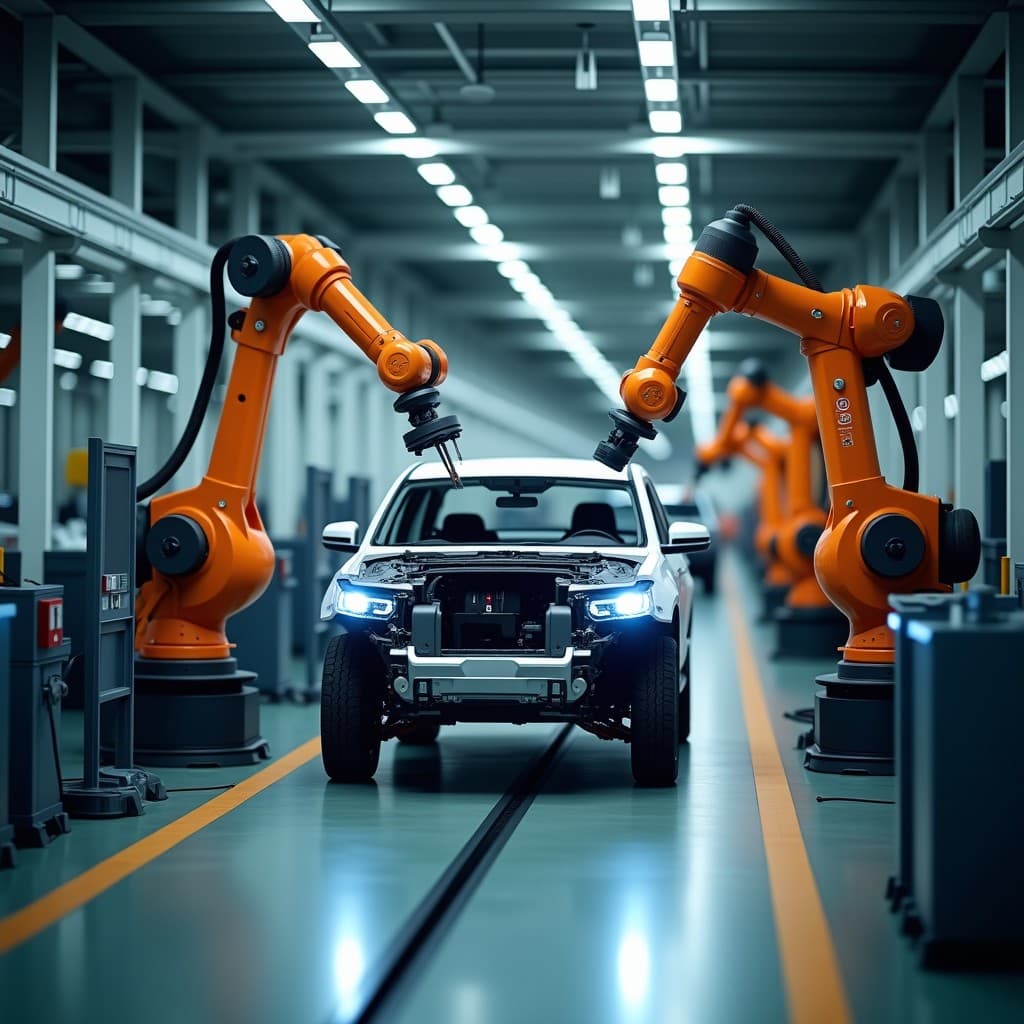
Stellantis and Europe's two other largest carmakers have sent a joint letter to European Parliament members urging the EU to establish clearer rules for what qualifies as a European-made vehicle and to introduce stronger incentives to keep production within the bloc. According to Reuters, the three groups—which together account for roughly 60 per cent of Europe's car output—are seeking rules that would simplify compliance and reduce the risk of production shifting eastward or overseas.
The push comes as Stellantis, headquartered in the Netherlands but with substantial operations in Turin and across northern Italy, faces mounting pressure on multiple fronts: quality issues that Automotive News reported persist despite management efforts, and competition from cheaper Chinese electric vehicles entering European markets. The carmaker has also begun testing solid-state battery technology in development vehicles, a technology that could anchor advanced manufacturing in Europe if production costs become competitive.
For Piemonte, the outcome of this regulatory push carries direct weight. Stellantis operates major assembly and component plants across the region, and clearer 'Made in Europe' standards could protect those facilities from the kind of production rationalization that has already seen capacity cut or shifted in recent years. Reuters noted that the three carmakers are seeking not only simplified rules but also EU-backed incentives to boost local production—a signal that current subsidies and state-aid frameworks are viewed as insufficient to counter global competition.
The letter reflects broader anxiety within European automotive leadership about the continent's industrial future. As Deutsche Welle and other international outlets have covered, Chinese automakers are expanding their European footprint through partnerships and new factories, while legacy carmakers struggle with the transition to electrification and the cost of developing competing battery technology. Stellantis's parallel investment in solid-state batteries—reported by Design and Development Today as a road-testing program using Factorial's technology—suggests the company is betting on technological differentiation rather than cost leadership alone.
The regulatory clarity the three groups seek could take months or years to achieve, and any final rule must navigate competing interests: protecting European jobs and factories, respecting EU competition law, and avoiding retaliation from trading partners. What remains unclear from the wire is whether the Parliament will respond with new incentives or simply clarify existing rules. For Turin's automotive cluster, the stakes are whether the next wave of EV and battery manufacturing anchors in northern Italy or migrates to lower-cost zones within or outside the EU.