
ECONOMY
Stellantis Q2 shipments rise 10% on North American strength
Turin-based automaker reports 1.6 million units as European sector faces structural headwinds
Lorenzo Ferraris483 wordsEdition №46Wednesday, 15 July 2026 — Edition № 46
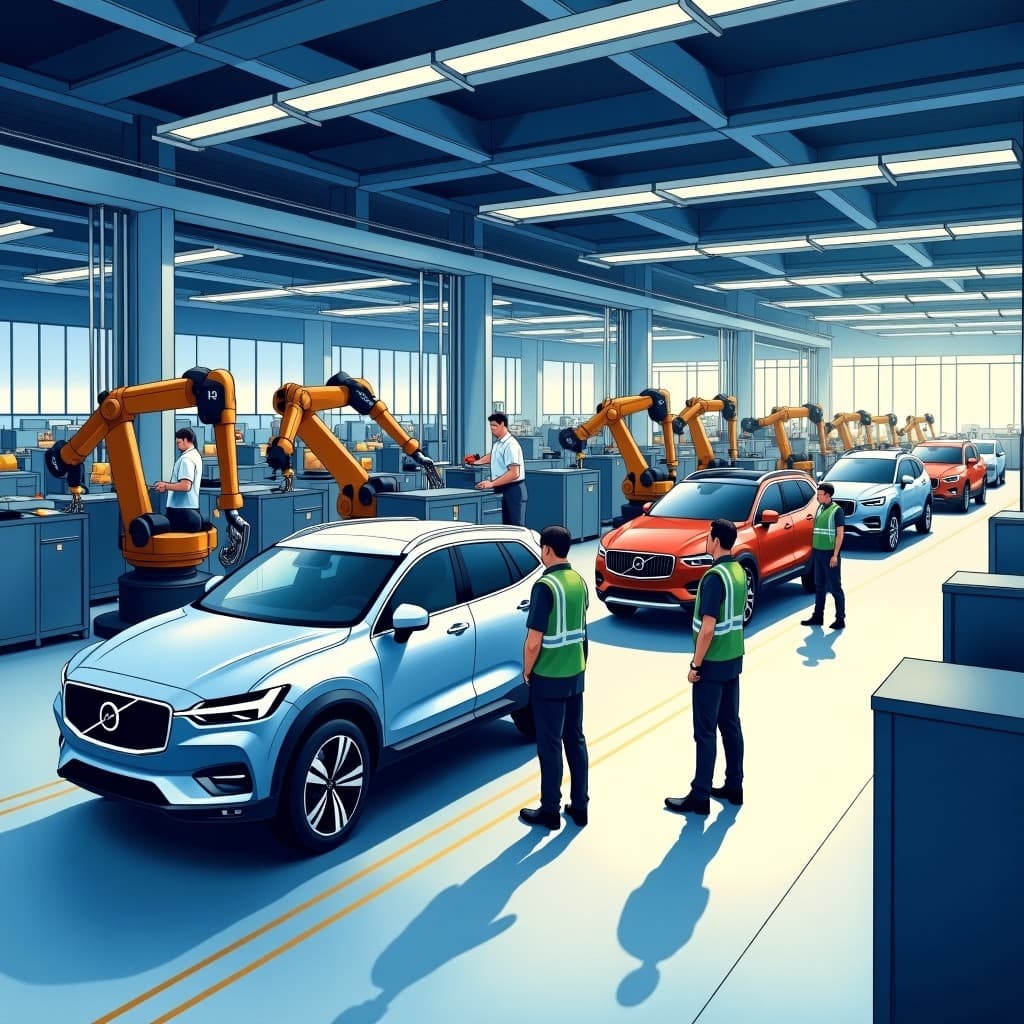
Stellantis, the Turin-headquartered multinational automaker, reported consolidated shipments of 1.6 million units for the three months ended June 30, 2026, representing a 10 percent increase year-over-year, according to Business Insider. Growth was driven primarily by North America and Enlarged Europe, though volumes in the Middle East and Africa declined, largely due to regional conflict. The result comes as the broader European automotive sector faces what German industry lobbies have characterised as a dramatic structural crisis.
Automotive News reported in early July that Europe's car industry is confronting what German stakeholders describe as an existential challenge. Volkswagen, Europe's largest automaker, held emergency stakeholder meetings to discuss the future of the group, signalling the depth of competitive and regulatory pressures facing the continent's manufacturers. Stellantis' North American performance, meanwhile, has put the group on pace to break a seven-year streak of lower sales in that market, with the Ram brand driving a significant portion of growth, Automotive News noted.
The Turin company's results underscore a widening transatlantic divide in automotive fortunes. While Stellantis benefits from strong demand in North America and a recovering European market, the sector's structural vulnerabilities—regulatory costs, the transition to electrification, and labour pressures—remain unresolved. For Piedmont's automotive ecosystem, which depends on Stellantis' supply chains and engineering operations, the group's ability to sustain North American momentum while stabilising European production will determine regional employment and investment in the coming quarters.
Stellantis operates significant manufacturing and engineering facilities across Piedmont, including its headquarters in Turin and plants in the broader region. The automaker's Q2 performance reflects a bifurcated global market: North America, where Stellantis holds commanding market share through brands including Ram, Jeep and Chrysler, continues to absorb production and drive profitability, while Europe confronts oversupply, margin compression and the capital intensity of electrification. Automotive News reported that inventory concerns persist despite the shipment gains, suggesting that demand may not yet fully support the industry's production capacity.
The German auto industry's public warnings of crisis carry particular weight for Italy. Germany and Italy together account for roughly half of European automotive output, and competitive pressures that threaten German manufacturers ripple across supplier networks and export markets. Stellantis' exposure to both markets—through its Italian heritage brands Fiat and Lancia, and through its pan-European supply base—means that any sustained contraction in European demand would pressure both production volumes and the regional suppliers that feed Piedmont's factories.
Reuters and other financial wire services have noted that the automotive sector faces a structural reckoning: the cost of compliance with EU emissions regulations, combined with the capital requirements of battery electric vehicle production and the emergence of Chinese competitors, has forced European and American manufacturers to rethink their cost bases and product strategies. For Stellantis, the Q2 results suggest that North American strength can offset European softness in the near term, but the long-term sustainability of that model depends on stabilising European market dynamics and maintaining competitive pricing in a market where Chinese entrants are gaining share.